Assessments of a health-related matter of interest, importance, or worry to a patient, patient’s authorized representative, or patient’s healthcare provider that could identify a need, problem, or condition.

Data Element

Nutrition Assessment
Description
A systematic nutrition assessment of an individual's nutrition intake, physical exam, anthropometric measurements, biochemical, and health condition data compared to accepted standards, recommendations, and/or goals to arrive at a determination of the client’s nutrition well-being or malnutrition.

Comment

Nutrition Assessment insufficiently specific

USCDI says "Use of the USCDI standard is required as part of the new application programming interface (API) certification criterion". This suggests a certain level of specificity. Furthermore, the ONDEC guidelines are very clear that proposals include examples of collection, use, and exchange of this data element, with clearly defined scenarios, and that to achieve Level 1 or 2, submissions must answer yes to either vocabulary/terminology standardization or technical specification. This specificity is necessary, as the USCDI sets requirements that standards specifications must implement in a computably testable form.

None of this seems to be present for Nutrition Assessment. The term is ambiguous, as it could refer to the process of assessment (a procedure) or to the result of the assessment (a report or document, or perhaps just an observation). In AND terminology, the outcome is termed 'Nutrition Diagnosis,' which might suggest that the proposed element - not using the term 'diagnosis' - is intended to mean the process. The underlying request stipulates LOINC 75305-3, which sounds more like diagnosis.

No details are provided as to what either interpretation might consist of. Two supporting comments have been made with widely divergent assumptions, one suggesting that the assessment be composed of "weight, height/length, occipito-frontal circumference (OFC), hand grip strength and z-scores for weight-for-height and BMI-for-age, mid-upper arm circumference (MUAC), and triceps skin-fold thickness", the other of "underlying nutritional health including malnutrition risk, swallowing safety, self-feeding ability, and nutrient intake". AND lists a third set of requirements with some overlap but no clear correspondence.

If any data specification is to implement this requirement, there is no guidance that might support design decisions. The specification will necessarily be fundamentally vague, perhaps asserting a general LOINC code for nutrition assessment to be tagged onto an unstructured document, some instrument, or procedure, or any of the hundreds of data elements that might be germane. 

Greater specificity would be helpful.


The North American Society for Pediatric Gastroenterology, Hepatology and Nutrition (NASPGHAN) and the Council of Pediatric Nutrition Professionals (CPNP) write in strong support of the inclusion of nutrition assessment data as a required data class in USCDI v7. Structured, interoperable nutrition assessment data are essential to patient safety, quality care, and equitable health outcomes across the lifespan.


NASPGHAN represents more than 3,000 pediatric subspecialist physicians caring for infants, children, and adolescents with gastrointestinal, hepatic, and pancreatic disorders—conditions in which nutrition assessment is fundamental to diagnosis, disease management, and therapeutic decision-making. CPNP represents about 350 pediatric nutrition professionals who perform and document nutrition assessments across inpatient, outpatient, and home-care settings.

pastedGraphic.png

Clinical and Patient Safety Rationale

Nutrition assessment is a comprehensive, systematic evaluation used to identify nutrition risk, deficiencies, and imbalances. Accurate, structured, and interoperable capture of core assessment elements - particularly anthropometric data—is foundational to identifying malnutrition, growth failure, and faltering weight across the lifespan. However, critical components of the nutrition assessment, including anthropometrics, food and nutrition history, current intake, nutrition-focused physical exam findings, and relevant biochemical and medical test data, are inconsistently structured, variably stored, and often unavailable across care settings within current EHR systems.


Key anthropometric elements — such as weight, height/length, occipito-frontal circumference (OFC), hand grip strength and z-scores for weight-for-height and BMI-for-age, mid-upper arm circumference (MUAC), and triceps skin-fold thickness — are required to operationalize established, evidence-based definitions of pediatric malnutrition and growth faltering. Without standardized and interoperable access to these data, clinicians are unable to reliably assess nutritional risk, track longitudinal growth patterns, or detect early deviations that warrant timely intervention.


Clear and structured documentation of nutrition assessment findings is essential to support downstream processes, including nutrition diagnosis, selection of appropriate nutrition interventions, and ongoing nutrition monitoring and evaluation.  The assessment serves as the first critical step in the nutrition care process, enabling early identification of nutrition risk and informing personalized, evidence-based nutrition plans.  When nutrition assessment data are incomplete, inaccessible, or fragmented, opportunities for prevention are missed—contributing to delayed interventions, prolonged hospitalizations, impaired recovery, increased mortality risk, and reduced quality of life.


The current fragmentation of nutrition assessment documentation disproportionately affects medically complex patienst, including infants and children transitioning across care environments, individuals with chronic disease, and populations experiencing food insecurity. These gaps contribute to inconsistent assessment, delayed diagnosis of malnutrition, and preventable patient harm. Improving the standardization and interoperability of nutrition assessment data within EHRs is therefore essential to enable continuity of care, support clinical decision-making, and advance patient safety and health outcomes across settings.

pastedGraphic.png

Public Health and Systems Impact

The lack of standardized, interoperable nutrition assessment data also undermines broader quality improvement, research, and public health surveillance efforts. Inconsistent documentation impairs the ability to:

  • Apply standardized malnutrition definitions across institutions
  • Identify system-level trends in growth faltering
  • Evaluate effectiveness of nutrition interventions
  • Support population health monitoring and equity initiatives


As faltering weight has recently been identified as an emerging pediatric safety and quality concern, interoperability of nutrition assessment data is necessary to move from identification to actionable, systemwide improvement.

 

pastedGraphic.png

Explicit Regulatory Requests for ONC (USCDI v7)


We respectfully request that ONC:

Include nutrition assessment as a required USCDI v7 data class


Require structured, interoperable representation of core anthropometric data, including:

Weight

Height/length

Occipito-frontal circumference (OFC)

Weight-for-height z-score

BMI-for-age z-score

Mid-upper arm circumference (MUAC)

Hand grip strength

Triceps skin fold


Ensure longitudinal interoperability of nutrition assessment data across:

Inpatient, outpatient, emergency, and home-care settings


Align USCDI nutrition assessment elements with established pediatric malnutrition and growth standards to support consistent diagnosis and clinical decision-making


USCDI v7 Alignment Map 

USCDI Priority AreaNutrition Use CaseSafety Impact
AssessmentsNutrition status Identifies at-risk, vulnerable patients for intervention
Care TransitionsInpatient ↔ outpatient ↔ home infusionPreserves nutrition assessment across settings

pastedGraphic.png

Conclusion

Inclusion of structured, interoperable nutrition assessment data in USCDI v7 is essential to reducing preventable harm, enabling early identification of malnutrition and faltering weight, and ensuring continuity of care across settings. NASPGHAN and CPNP strongly urge ONC to prioritize nutrition assessment as a core clinical data element in USCDI v7.


Respectfully submitted,
NASPGHAN and CPNP


REFERENCE

Kersten, H. B., Goday, P. S., Abdelhadi, R., et al. (2026). Clinical practice guideline for diagnosis and management of faltering weight. Pediatrics, e2025075764. https://doi.org/10.1542/peds.2025-075764


PACIO Recommends Advancing Nutrition Status to Level 2

  • Recommendation: Advance the Nutrition Status data element from Level 0 to Level 2.
  • Rationale: The PACIO Project Community*, including the Academy of Nutrition and Dietetics, recommends advancing the Nutrition Status data element from Level 0 to Level 2 in accordance with the USCDI Data Element Leveling Criteria. The PACIO Project’s clinical community of practice agrees with the Academy of Nutrition and Dietetics that these comprehensive nutrition assessments are critical to patient safety, health, and recovery. The PACIO team has identified evidence that this data element meets Level 2 criteria, as described below.
    • The nutrition status data generated through comprehensive nutrition assessments support healthcare practitioners, who consider food, eating, and nutrition in their clinical decision-making and therefore need access to nutrition specialists’ insights into patients’ dietary needs. Dietitians provide needed information about malnutrition risk, dietary intake, and other specialist information that impact patient safety and care decisions across settings and care-team members. Ultimately, nutrition status is important for patient outcomes and safety in care settings and at home, including during transitions of care, making the Nutrition Status data element critical for capture within and transmission between EHR systems.
  • Clinical Relevance: While the new Nutrition Order data element captures prescribed diets, the Nutrition Status data element reflects the patient’s underlying nutritional health including malnutrition risk, swallowing safety, self-feeding ability, and nutrient intake. It serves as the clinical driver for Nutrition Orders and referrals to registered dietitian nutritionists (RDNs), speech-language pathologists (SLPs), occupational therapists (OTs), and nursing teams. Documenting Nutrition Status in the EHR at admission ensures timely follow-up, supports safe care planning, and aligns with the CMS Malnutrition Care Score (MCS), which requires nutrition screening, assessment, diagnosis, and care planning.1 Regulatory standards mandate that hospitals conduct a nutrition screening for all applicable patients within 24 hours of their inpatient admission with the results documented in the patient's Electronic Health Record (EHR)2.
  • USCDI Level Criteria:
    • Current Standards: Level 2 – Nutrition Status is represented by several terminology standards. 
      • The SNOMED CT Nutrition Reference Set includes standardized concepts for nutritional findings, malnutrition risk, and feeding ability, ensuring consistency across providers and enabling integration into care planning and outcome tracking. 
      • LOINC includes key codes such as 75305-3 (Nutrition status). 
      • The CMS Data Element Library (DEL) requires documentation of nutrition status related information, such as swallowing, through the Minimum Data Set (MDS) 3.0 Resident Assessment Instrument (RAI)3, Section K (Swallowing/Nutritional Status) for all certified nursing facilities. 
    • Current Use: Level 2 –  Nutrition status is captured in multiple production EHRs or other HIT modules from more than one developer as many care facilities are required to document nutrition status.
      • In long-term care, the MDS Section K data are federally-mandated and reported to CMS by care facilities. 
      • In hospitals, based on regulations, when applicable, nutrition screening is required by the Joint Commission to be completed and documented within 24 hours of admission, using validated tools such as the Malnutrition Screening Tool (MST) to document nutrition status in EHRs. 
    • Current Exchange: Level 2 – There are multiple HIT modules using Nutrition Status.
      • Hospitals are required to document and transmit nutrition information, such as malnutrition screening results, to skilled nursing facilities that are required to document nutrition status across multiple CMS required post acute assessments. Therefore, current HIT systems have the capability to transmit nutrition status information.
      • HL7 FHIR pilots are demonstrating interoperable exchange of nutrition data using the Observation resource (for anthropometrics and nutrition-focused findings) and the Condition resource (for malnutrition and related diagnoses). 
    • Breadth of Applicability: Level 2 – Use cases for Nutrition Status apply to most care settings as demonstrated by guidelines and requirements for documenting this data element in acute and post-acute settings.
      • Acute care settings are encouraged to follow guidelines from professional organizations, such as the American Society for Parenteral and Enteral Nutrition (ASPEN) which has developed nutritional support guidelines for hospital patients. These guidelines include Standard 5.2, which states “The nutrition assessment shall include evaluation of the patient's current nutrition status and nutrition requirements.”
      • Post acute care settings, as described earlier, must capture nutrition status as required by CMS.
  • References:
  1. eCQI Resource Center. Malnutrition Care Score. Healthit.gov. Published 2024. Accessed August 25, 2025. https://ecqi.healthit.gov/ecqm/hosp-inpt/2026/cms0986v5
  2. Joint Commission. Nutritional and Functional Screening - Requirement. Jointcommission.org. Published 2016. Accessed August 25, 2025. https://www.jointcommission.org/en-us/knowledge-library/support-center/standards-interpretation/standards-faqs/000001652
  3. CMS. Minimum Data Set (MDS) 3.0 Resident Assessment Instrument (RAI) Manual. CMS.gov. Published 2025. Access August 28, 2025. https://www.cms.gov/medicare/quality/nursing-home-improvement/resident-assessment-instrument-manual
  • * The PACIO (Post-Acute Care Interoperability) Project, established February 2019, is a collaborative effort between industry, government, and other stakeholders, that aims to advance interoperable health information exchange between post-acute care (PAC) providers, patients, and other key stakeholders across health care.

PACIO Recommends Advancing Nutrition Status to Level 2

  • Data Class: Health Status Assessments
  • Data Element: Nutrition Status (Level 0)
  • Recommendation: Advance the Nutrition Status data element from Level 0 to Level 2.
  • Rationale: The PACIO Project Community* recommends advancing the Nutrition Status data element from Level 0 to Level 2. This information is often collected by a nutrition specialist, such as a registered dietitian (RD), and includes comprehensive nutritional assessments that account for allergies, swallowing ability, and nutrient needs, among other things. The PACIO Project’s clinical community of practice agrees with the Academy of Nutrition and Dietetics that these comprehensive nutrition assessments are critical to patient safety, health, and recovery. These comprehensive nutrition assessments support the clinical decision-making of healthcare practitioners, such as physicians, advanced practice nurses, speech language pathologists, occupational and physical therapists, and pharmacists, who consider food, eating, and nutrition in their clinical decision-making and therefore need access to nutrition specialists’ insights into patients’ dietary needs. Dietitians provide needed information about malnutrition risk, dietary intake, and other specialist information that impact patient safety and care decisions across settings and care-team members. Ultimately, nutrition status is important for patient outcomes and safety in care setting and at home, including during transitions of care, making the Nutrition Status data element critical for capture within and transmission between EHR systems.
  • * The PACIO (Post-Acute Care Interoperability) Project, established February 2019, is a collaborative effort between industry, government, and other stakeholders, with the goal of establishing a framework for the development of FHIR implementation guides to facilitate health information exchange.

PACIO Recommends Advancing Nutrition Status

  • Data Class: Health Status Assessments (V5) 
  • Data Element: Nutrition Status (Level 0) 
  • Recommendation: Advance the Nutrition Status data element from Level 0 to Level 2. 
  • Rationale: The PACIO (Post-Acute Care Interoperability) Project, established February 2019, is a collaborative effort between industry, government, and other stakeholders, with the goal of establishing a framework for the development of FHIR implementation guides to facilitate health information exchange. 
  • The PACIO Project’s clinical community of practice agrees with the Academy of Nutrition and Dietetics that comprehensive nutrition assessments are critical to patient safety, health, and recovery. Comprehensive nutrition assessments allow all practitioners who must consider food, eating, and nutrition, to have specialist insight into a patient’s dietary needs. These providers include practitioners, speech language pathologists, occupational and physical therapists, and pharmacists. Dietitians provide needed information about malnutrition risk, dietary intake, and other specialist information that impact patient safety and care decisions across settings and care-team members. 

Log in or register to post comments

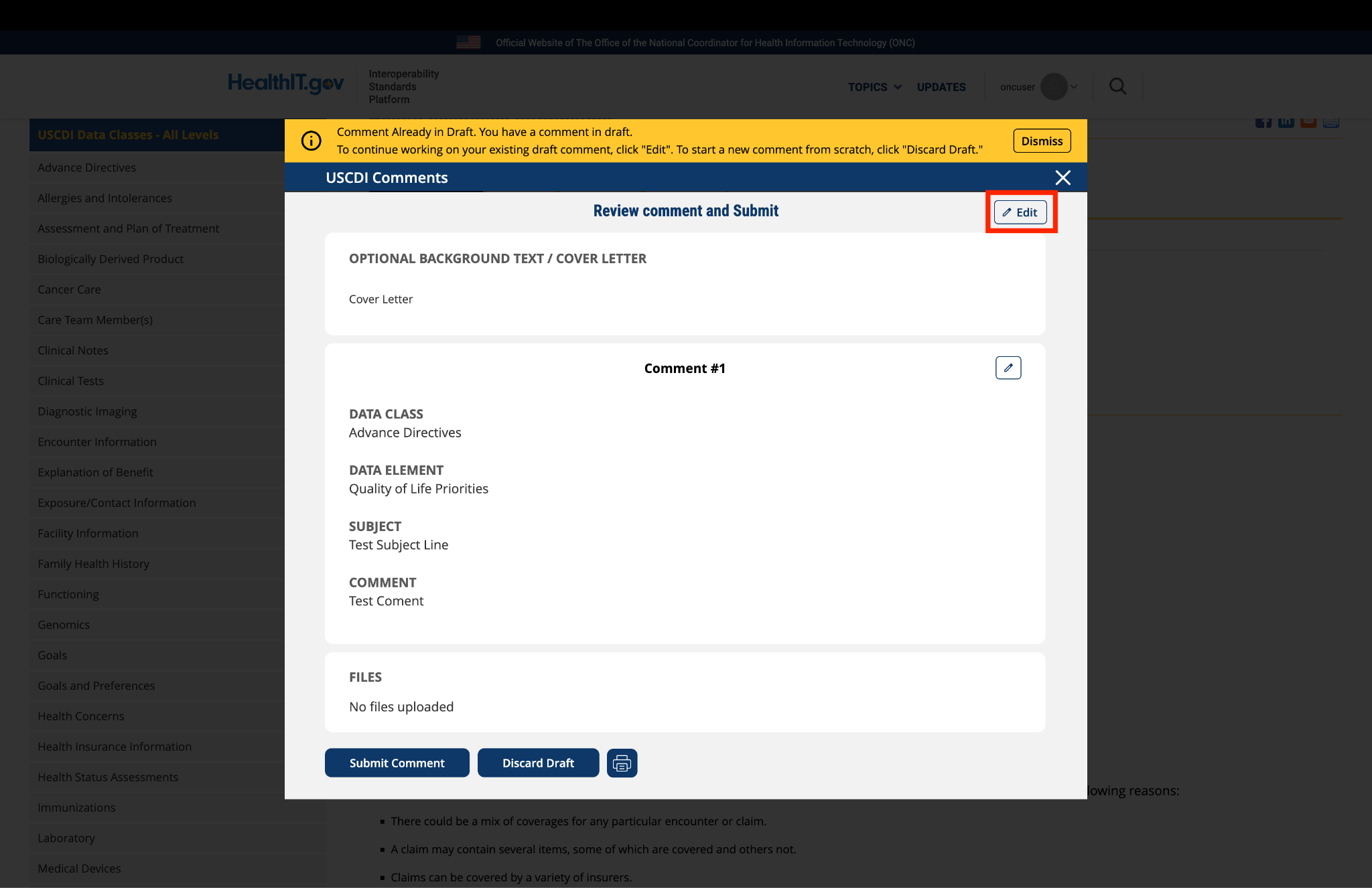
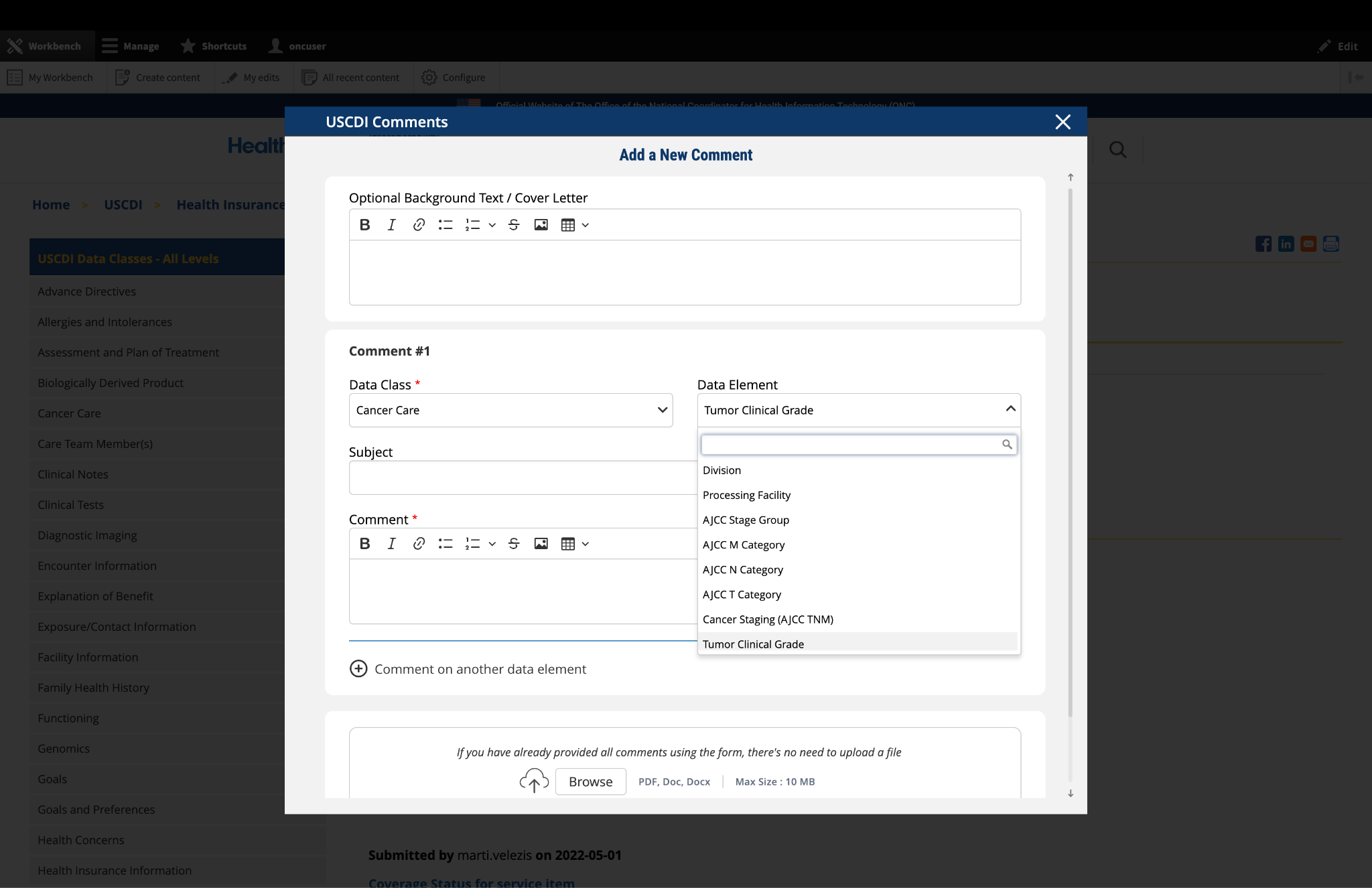
Add a New Comment

Review comment and Submit

Edit
Comment #1
PDF, Doc, Docx
Max Size : 10 MB