Contextual information that provides supporting details for healthcare data.

Data Element

Diagnostic Report Date
Description (*Please confirm or update this field for the new USCDI version*)

Date and time a report containing test results or clinical interpretation was made available to providers.

Comment

ACLA Comments: Diagnostic Report Date

The American Clinical Laboratory Association (ACLA) appreciates the opportunity to comment on the Diagnostic Report Date.  We suggest this be renamed to Diagnostic Report Date/Time. This should already be provided in our laboratory results/reports.

Change Diagnostic Report Date to Document Creation Date

Diagnostic Report DateàDocument Creation Date

Date and time a report containing test results or clinical interpretation was made available to providers.

Comment: If generalized and moved to the Healthcare Information Attribute data class called Document Creation Date, this data element would offer greater interoperability value. The notion, as a data element, could encompass all kinds of documents, not just Diagnostic Reports.

Recommendation: Generalize this data element to simply call it Document Creation Date and Time. Generalized the definition to: Date and Time a document was made available for access. This generalization of the data element enables it to be applied as an attribute for all kinds of documents and to be applicable to documents that are accessed by Providers or Patients. 

Additional Note: The examples included could cover a range of different kinds of documents from diagnostic reports to clinical notes to discharge summaries to explanation of benefits, etc.
SHIELD USCDI V7 Draft Report Date element comment

SHIELD supports the inclusion of this commonly exchanged data element for many use cases; in the lab data exchange use case it corresponds to the CLIA requirement of "(3) The test report date." from 42 CFR 493.1291. While the CLIA regulation identifies the element soley as date, there are situations, where including the time in addition to the date is important, as is evidenced by the definition of this element, so SHIELD suggests to update the name to incorporate that.

  1. Suggestions:
    1. Proposed updated Name: "Diagnostic Report Date/Time" or at minimum "Report Date/Time"
    2. Proposed new Usage Note: “This element will change every time a new version of the report is released, covering preliminary, final, corrected, amended or addended reports. For each version the timestamp should be preserved.”

Diagnostic Report Date

APHL supports the addition of this data element, as it provides the temporal context of when results are available for clinicians’ use. It has been included in HL7 v2 data exchanges as OBR-22 (Results Rpt/Status Chng - Date/Time) for a long time. In the lab data exchange use case this element corresponds to the CLIA requirement of "(3) The test report date." from 42 CFR 493.1291 (https://www.ecfr.gov/current/title-42/section-493.1291). While the CLIA regulation identifies the element solely as date, there are situations, where including the time in addition to the date is important, as is evidenced by the definition of this element, so APHL suggests that ONC rename this data element to "Diagnostic Report Date/Time” and add the following usage note: "This is an administrative date/time. It is updated every time a new version of the report is made available. It is not the same as the date/time that provides the temporal context for the patient's health."

CDC's comment for inclusion in USCDI v7

CDC supports the inclusion of the following USCDI Data Elements in the final version of USCDI V7:

Performance Time (Health Care Information Attributes Class)

Diagnostic Report Date (Health Care Information Attributes Class)

Based on the Performance Time element definition, Specimen Collection Date/Time is also reflected in this data element. Specimen Collection Date/Time is a critically important data element for both the laboratory and clinical practice to establish the time a specimen is obtained from the subject patient. It is currently exchanged by both EHR and LIMS/LIS vendors throughout the country. It is also required by CLIA (42 CFR 493.1241(c)(6) (https://www.ecfr.gov/current/title-42/chapter-IV/subchapter-G/part-493/subpart-K/subject-group-ECFR5f8f0b6639946fd/section-493.1241#p-493.1241(c)(6)).

Diagnostic Report Date can be used to exchange Test Result Report Date/Time, which is an important element in clinical care covered under CLIA (42 CFR 493.1291(c)(3)) (https://www.ecfr.gov/current/title-42/part-493/section-493.1291#p-493.1291(c)(3)). CDC proposes that ASTP adds a usage note to indicate that this data element may change each time a new version of the report is released (e.g., preliminary, final, corrected, amended, and addended) and the timestamp should be preserved for each released report.

The Following use cases highlight the importance of these elements across clinical scenarios.

Use Case 1:

Procalcitonin (PCT) is frequently used as a biomarker to support antibiotic stewardship (especially early discontinuation of antibiotics) and, in some settings, for risk stratification. The evidence base on pre-analytical delay (i.e, time from specimen collection to when the test is performed in the laboratory) shows that PCT is not infinitely stable and usually shows bias with prolonged warm storage; however, the size of the bias depends on matrix (serum/plasma/whole blood), specimen handling, temperature, and assay platform. Key primary studies show a measurable decline (about 12% lower) within 24 hours at room temperature on older platforms 1. Because common cutoffs are close together (0.10, 0.25, 0.5, 2.0 µg/L) and real-world PCT interpretation includes analytical and biological variability of ~10–30%, plausible pre-analytical degradation at the 10–30% level can move results across decision boundaries2. Clinically, this patient safety risk is most consequential when PCT is used to stop or withhold antibiotics (where falsely low values could accelerate discontinuation).

At the bedside, decision-making by clinicians could be impacted by (1) “older samples” may be biased low and (2) inconsistency in sample age across serial draws can distort trends.  Knowing the specimen collection time and test run time is clinically relevant to making critical clinical decisions especially when PCT is being used at or near decision thresholds.

References

https://edoc.hu-berlin.de/bitstreams/add7a93d-9ea7-468b-9add-cf302b8bf440/download

Chockalingam L, Mee T, Gardner T, Grimm E, Baduashvili A. Real-world interpretation of procalcitonin to guide antibiotic prescribing: a retrospective cohort study with regression discontinuity analysis. Antimicrob Steward Healthc Epidemiol. 2025 May 28;5(1):e119. doi: 10.1017/ash.2025.72. PMID: 40453517; PMCID: PMC12122395.

Use Case 2:

A study found that the length of time before centrifugation determined the degree of hemolysis in blood samples collected for serum lactate dehydrogenase testing1.  If whole blood sits warm, uncentrifuged, transported roughly, or is drawn through IV lines, the potential for hemolysis is increased which may likely trigger assay interference.  Bilirubin thresholds anchor high-stakes decisions (e.g., ICU organ failure scores, neonatal escalation of care) and clinicians should repeat testing when a result is near a decision boundary, especially if the sample may be aged/hemolyzed. The inclusion of sample collection time, testing time, and result report time in laboratory reports is essential as that may be the only indication that a borderline test should be repeated.

References

Tamechika Y, Iwatani Y, Tohyama K, Ichihara K. Insufficient filling of vacuum tubes as a cause of microhemolysis and elevated serum lactate dehydrogenase levels. Use of a data-mining technique in evaluation of questionable laboratory test results. Clin Chem Lab Med. 2006;44(5):657-61. doi: 10.1515/CCLM.2006.109. PMID: 16681441.

Use Case 3:

In Emergency Departments (EDs), when a patient is admitted with chest pain, an algorithm is activated, to diagnose and treat the patient for Myocardial Infarction as quickly as possible to prevent further heart damage. An extended interval from blood draw to specimen processing to laboratory testing affects care impacts patient care in many ways including delaying or prolonging observation, slowing delivery of relevant procedures, and reducing the practicality of rapid rule-out pathways. Delays in sample processing can also affect sample integrity where hemolysis and matrix effects can bias results, especially near low high-sensitivity cardiac troponin T (hscTn) cut points and “delta” thresholds. Hemolysis, which can increase with handling/transport and delayed processing, can cause clinically meaningful negative interference in some hscTn assays (reported up to 3 ng/L or 13% falsely low recovery at hemolysis levels routinely encountered), potentially affecting clinical decisions1.

An analysis of ED troponin testing turnaround time (TAT) found that the median overall TAT is 83 min instead of recommended 60 min, with pre-analytic steps contributing ~52% of the total time and accounting for most extreme delays2. Knowing the TAT, especially when the hscTn is near the cutoff, could be important for clinical decision-making, highlighting the importance of both specimen collection time and test run and/or result reporting time in the test result report.

References

Harley K, Bissonnette S, Inzitari R, Schulz K, Apple FS, Kavsak PA, Gunsolus IL. Independent and combined effects of biotin and hemolysis on high-sensitivity cardiac troponin assays. Clin Chem Lab Med. 2021 Mar 25;59(8):1431-1443. doi: 10.1515/cclm-2021-0124. PMID: 33761581.

Kirby L. Pereira, Mary Hotaling, Monitoring of Troponin Turnaround Time Metrics Within Emergency Department Visits, American Journal of Clinical Pathology, Volume 138, Issue suppl_2, 1 November 2012, Page A371, https://doi.org/10.1093/ajcp/138.suppl2.205

Use case 4:

A study examined how delayed processing of blood samples influenced time to positivity of blood cultures and results of gram stain-acridine orange leukocyte cytospin tests (AOLC).  24-hour storage of blood culture bottles at room temperature markedly influenced the time to positivity. In samples cultured in aerobic BACTEC bottles, storing with fast-growing strains (e.g., E. coli) with high bacterial loads for 24 hours at room temperature inhibited microbial detection. In clinical practice, this could lead to false-negative differential time to positivity (DTP). In other types of culture bottles, 24-hour storage at room temperature can lead to false-positive Gram stain-AOLC test results due to an increase in microbial load1. Therefore, it is essential that the clinician know the date and time the specimen was drawn and the time received in the laboratory to fully understand test results.

References.

Schwetz I, Hinrichs G, Reisinger EC, Krejs GJ, Olschewski H, Krause R. Delayed processing of blood samples influences time to positivity of blood cultures and results of Gram stain-acridine orange leukocyte Cytospin test. J Clin Microbiol. 2007 Aug;45(8):2691-4. doi: 10.1128/JCM.00085-07. Epub 2007 May 30. PMID: 17537945; PMCID: PMC1951239.

Use case 5:

Serial testing of serum thyroglobulin levels (postoperative): Elevated levels are a strong indicator of tumor recurrence in patients with differentiated thyroid cancer; these findings are most sensitive in the presence of hypothyroidism and elevated thyroid -stimulating hormone (TSH) levels. For long-term monitoring, measurements of thyroglobulin and antithyroglobulin antibodies should be obtained. The date and time the specimen is collected and the date results are reported are essential to tracking levels and coordinating results with scans and fine needle aspiration (FNA) biopsy findings especially when FNA findings are indeterminate.

Log in or register to post comments

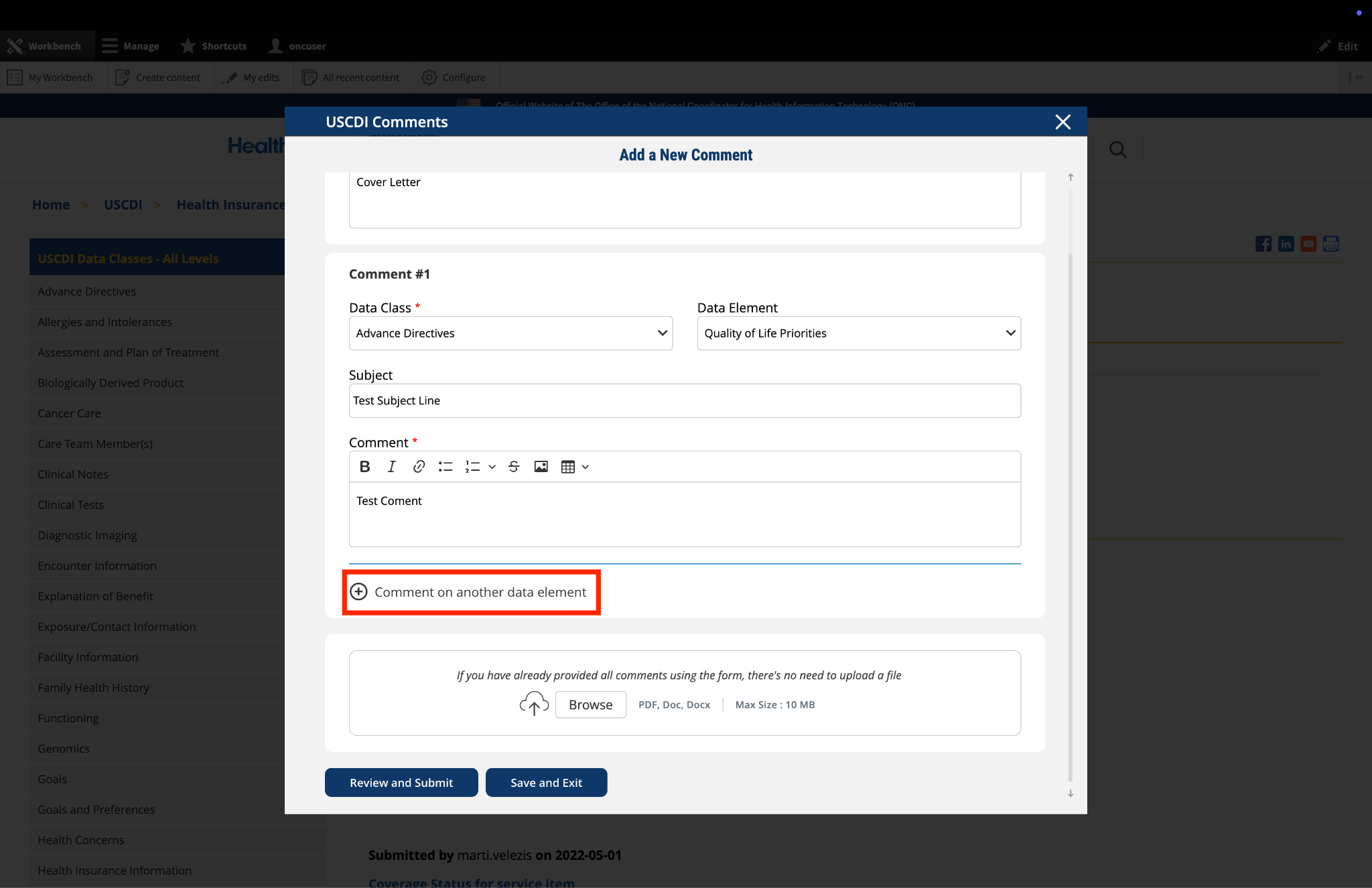
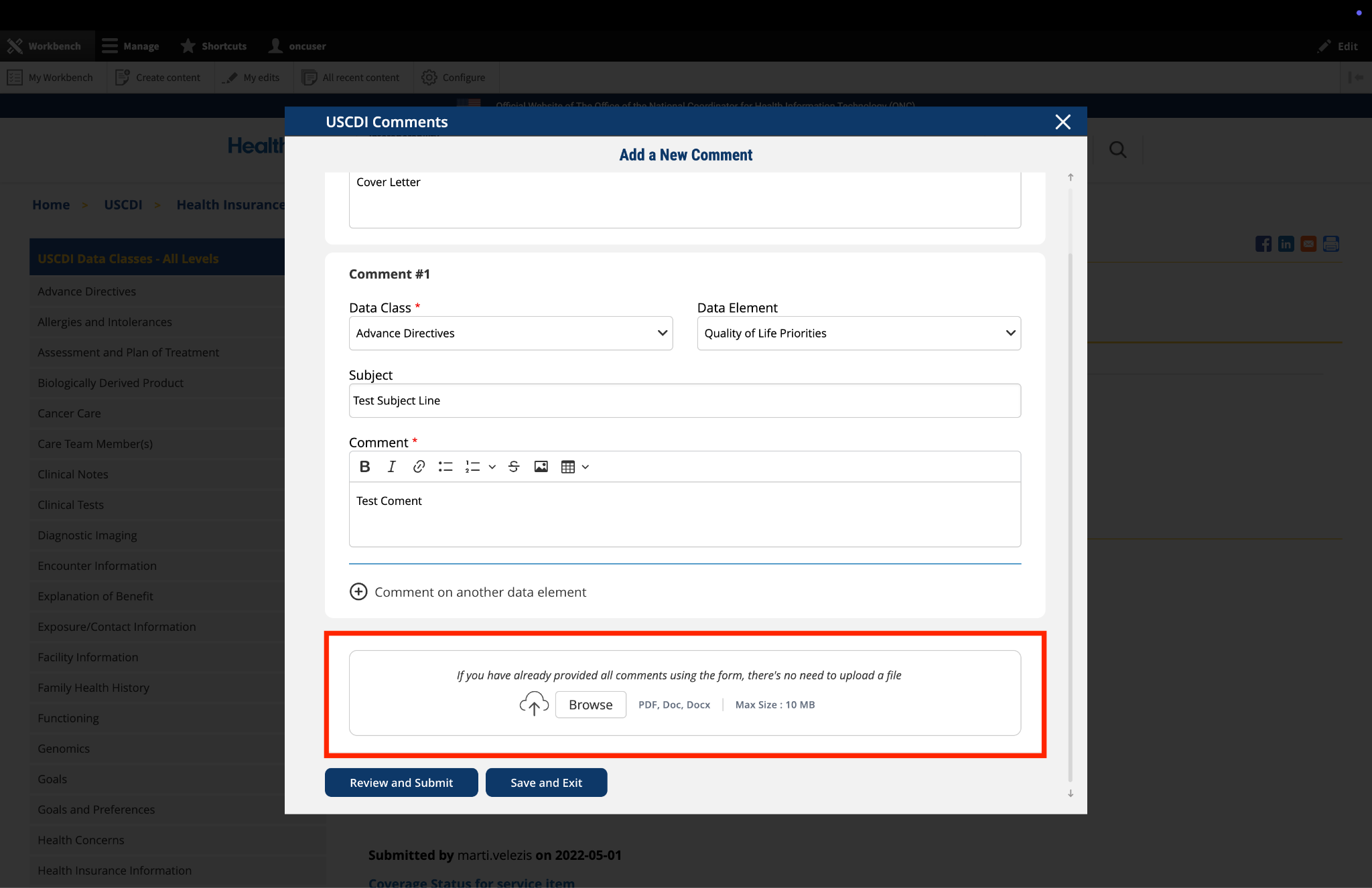
Add a New Comment

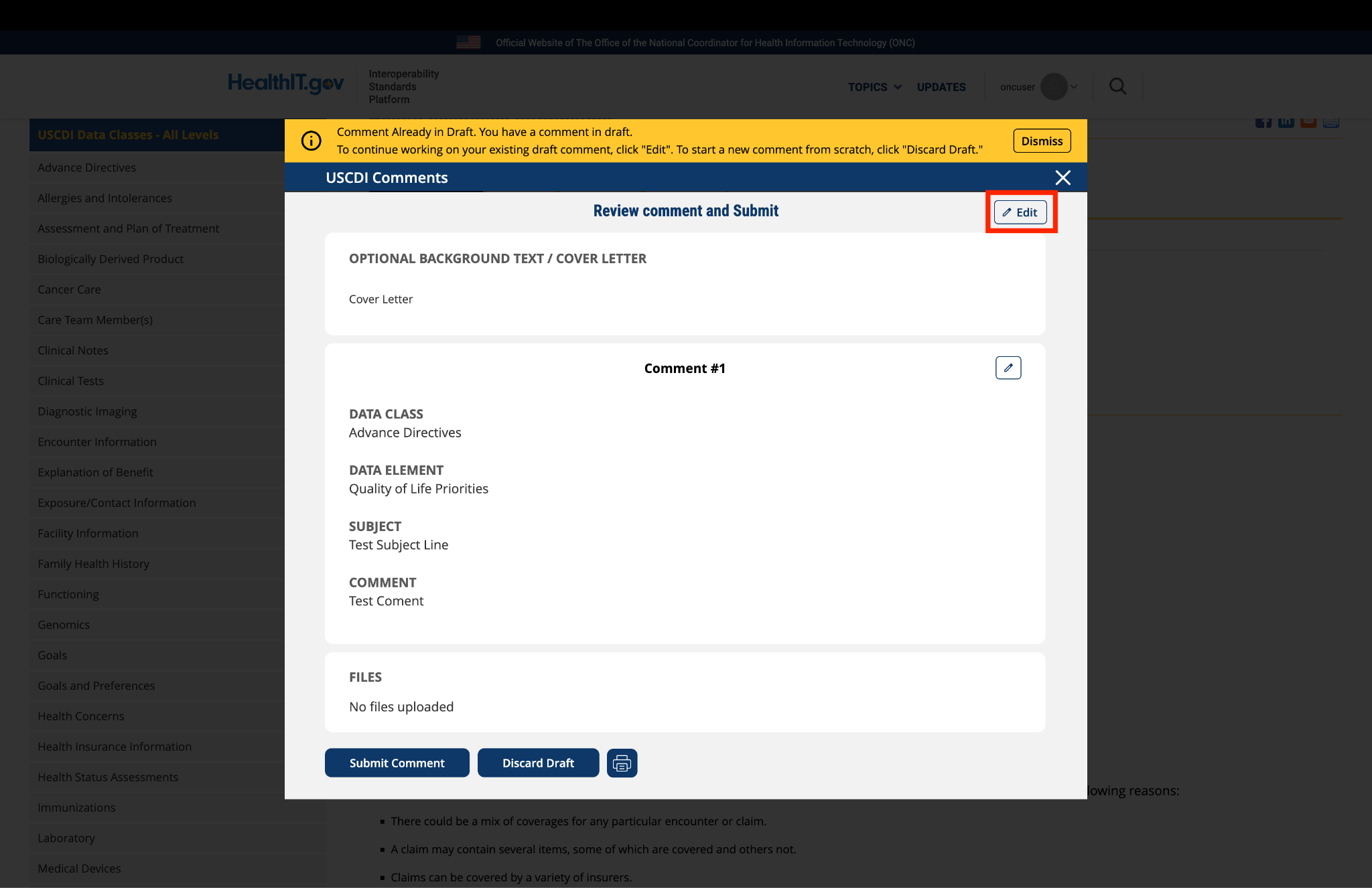
Review comment and Submit

Edit
Comment #1
PDF, Doc, Docx
Max Size : 10 MB