Provider-authored request for the delivery of patient care services.

Usage notes: Orders convey a provider’s intent to have a service performed on or for a patient, or to give instructions on future care.

Data Element

Nutrition Order
Description
A clinician (provider)-authored request for a diet, formula feeding (enteral), or nutritional supplement.

Comment

Explicit Enumeration of Parenteral Nutrition Orders

The North American Society for Pediatric Gastroenterology, Hepatology and Nutrition (NASPGHAN) and the Council of Pediatric Nutrition Professionals (CPNP) strongly support the inclusion of nutrition orders as a required data class in USCDI v7, and we specifically urge ONC to explicitly enumerate parenteral nutrition (PN) orders within this scope.


NASPGHAN represents more than 3,000 pediatric subspecialist physicians caring for infants, children, and adolescents with gastrointestinal, hepatic, and pancreatic disorders—conditions in which nutrition assessment is fundamental to diagnosis, disease management, and therapeutic decision-making. CPNP represents roughly 350 pediatric nutrition professionals who perform and document nutrition assessments across inpatient, outpatient, and home-care settings.


Nutrition orders—including oral, enteral, and parenteral therapies—are therapeutic interventions that carry significant safety implications. Interoperability failures related to nutrition orders remain a well-documented source of patient harm, particularly during transitions of care.

pastedGraphic.png

Clinical and Safety Rationale

Nutrition is a foundational component of both pediatric and adult care, yet nutrition data remain standardized and fragmented across current electronic health record (EHR) systems. In a national survey of pediatric clinicians (1), only 54% reported having a standardized workflow for documenting food allergies and intolerances, and clinicians consistently reported difficulty locating nutrition-related information across disparate sections of the EHR. Notably, 73% reported awareness of nutrition-related safety events at their institutions, including adverse reactions linked to incomplete or inaccessible documentation of diet orders, allergies, or nutrition plans. A commonly cited contributing factor was lack of interoperability of nutrition orders and diet information across care transitions, resulting in lost, outdated, or conflicting information as patients move between inpatient, outpatient, emergency, procedural, and home care settings.


These documentation and interoperability failures are associated with measurable patient harm at the population level. Analysis of the FDA’s Center for Food Safety and Applied Nutrition Adverse Event Reporting System (CAERS) (2) demonstrates a 15.5-fold increase in serious food- and diet-related adverse events among children since 2004, including hospitalizations and deaths. These trends represent both a public health warning signal and a systems-level failure in health information infrastructure. They underscore the need for structured, interoperable nutrition documentation within EHRs to support prevention, early recognition, and effective response to nutrition-related adverse events.


Across care settings, nutrition orders are inconsistently structured, variably documented, and poorly interoperable among inpatient, outpatient, pharmacy, durable medical equipment, and home infusion systems.  This fragmentation directly contributes to:


  • Loss of, or conflict between, nutrition orders (including PN, oral diets, human milk, enteral nutrition, and therapeutic diets)
  • Inconsistent and incomplete documentation of food allergens and intolerances
  • Omissions, duplications, and administration errors


PN, in particular, represents a high-risk, medication-like therapy used in medically complex infants, children, and adults. PN ordering requires complex calculations, individualized formulations, and close coordination among prescribers, pharmacists, and nursing staff. Multiple professional societies have highlighted that existing EHR systems do not adequately support PN workflows, significantly increasing the risk of prescribing, compounding, and administration errors. Despite well-documented safety risks, PN orders are frequently excluded from standardized interoperability frameworks, limiting continuity of care and undermining safety checks during transitions. 


Similarly, the increasing diversity and complexity of commercial and specialty formulas used to manage nutrition conditions heightens the risk of nutrition-related adverse events. Current EHR systems often lack the ability to accurately and consistently capture formula product names, compositions, and administration details. Patient and caregivers are frequently unable to reliably communicate this information across settings due to product complexity. The absence of standardized nutrition data elements and interoperability perpetuates gaps in safety (leading to increased visits/hospitalizations, delay in recovery and/or adverse health events), particularly as patients move between clinical environments and across the lifespan. 

pastedGraphic.png

Importance of Explicit Inclusion of PN Orders


PN should be treated with the same rigor as other high-risk medication orders within USCDI. Failure to explicitly include PN within the nutrition order scope risks continued under-implementation by vendors and inconsistent adoption across health systems.


Explicit enumeration of PN orders in USCDI v7 would:


  • Align national interoperability standards with established patient-safety evidence
  • Improve bidirectional communication between ordering, pharmacy, and administration systems
  • Reduce preventable adverse events in vulnerable populations
  • Reflect real-world clinical workflows and regulatory expectations

pastedGraphic.png

Explicit Regulatory Requests for ONC (USCDI v7)


We respectfully request that ONC:


  • Include all nutrition orders as a required USCDI v7 data class


  • Explicitly enumerate PN orders, including:

Total PN

Partial PN

Lipid emulsions

PN additives


  • Require structured, interoperable representation of nutrition order elements, including:

Name (including therapeutic diet, formula, additives in human milk, parenteral components)

Route of administration (oral, enteral, parenteral)

Composition and dosing

Frequency and duration

Linked allergens and intolerances


  • Ensure bidirectional interoperability across:

Provider and dietitian order entry

Pharmacy verification and compounding systems

Bedside and home administration systems

pastedGraphic.png

USCDI v7 Alignment Map 

USCDI Priority AreaNutrition Use CaseSafety Impact
Orders & InterventionsOral, enteral, and parenteral nutrition ordersPrevents omission, duplication, and prescribing errors
AssessmentsNutrition status and allergy/intolerance dataReduces adverse reactions
Care TransitionsInpatient ↔ outpatient ↔ home infusionPreserves nutrition plans across settings
Patient SafetyMedication-like therapies (PN)Aligns with known safety risks

Conclusion

Nutrition orders—particularly PN—are clinical therapies with well-documented safety vulnerabilities when electronic workflows are fragmented. Inclusion of interoperable nutrition orders and explicit enumeration of PN in USCDI v7 are essential to protecting patients, supporting clinical teams, and advancing national interoperability goals.


NASPGHAN and CPNP strongly urge ONC to adopt these recommendations in the final USCDI v7 standard.


Respectfully submitted,
NASPGHAN and CPNP


REFERENCES

1.  Young JA, Feuling MB, Huang JS. Toward a single source of truth: the case for centralized nutrition documentation in electronic medical records. JPGN Rep. 2026;7:159-166. doi:10.1002/jpr3.70111

2.  Huang JS, Young J, Garcia MA. Rising Food and Diet Adverse Events in United States Children: A Call for Better Food Labeling and Nutrition Documentation. J Pediatr. 2026;288:114821. doi:10.1016/j.jpeds.2025.114821


Recommendation for required terminology standard designation

SNOMED International recommends that ONC designate SNOMED CT U.S. Edition as the recommended or required vocabulary standard for the Nutrition Order data element. 

SNOMED CT includes clinically validated concepts for therapeutic diet and nutrition support ordering, including 373783004 |Diet (substance)|, 182922004 |Dietary regime (regime/therapy)|, and specific diet type concepts such as 160670007 |Cardiac diet (finding)| and 444971000124105 |Liquid diet (finding)|, that provide a structured, internationally recognised vocabulary for nutrition order documentation. Standardised nutrition order coding supports the clinical nutrition workflows being incorporated into value-based care models, including CMS's Enhancing Oncology Model and nutrition-sensitive chronic disease management programs.

HL7 FHIR's NutritionOrder resource, the FHIR mechanism through which this data element will be exchanged under ONC EHR certification requirements, supports SNOMED CT as a value set for oral diet type, supplement type, and enteral formula type coding. 

Naming SNOMED CT as an applicable vocabulary standard would ensure alignment between the USCDI mandate and FHIR implementation guidance, preventing the emergence of local or proprietary nutrition order codes that fragment data exchange across health systems. 

SNOMED International further recommends that ONC engage with the Academy of Nutrition and Dietetics (AND) and relevant clinical nutrition standards bodies to validate SNOMED CT coverage for the full scope of nutrition order types anticipated in clinical practice. SNOMED International has a long-term collaboration agreement with AND to include NCPT (Nutrition Care Process Terminology) into SNOMED CT terminology. And our continued global nutrition clinical reference group will continue to ensure the content for nutrition-related content remains up-to-date. 

CDC support for CMS's Comment for USCDI v7

CDC supports CMS's comment for including Nutrition Order in USCDI v7 as it is essential for safe, individualized dietary care and preventing complications like malnutrition and hospital readmissions.

CMS-CCSQ Supports Nutrition Order for USCDI v7

Recommendation:  CMS CCSQ recommends the Nutrition Order element be added to final USCDI v7.

Rationale:  CMS CCSQ the inclusion of Nutrition Order in USCDI v7. A Nutrition Order encompasses critical details about a patient’s diet, including required textures and modifications necessary for safe consumption. This data element is essential for comprehensive patient care, ensuring proper dietary modifications for individuals with conditions like dysphagia, malnutrition, or other swallowing and digestion issues. Documenting nutritional interventions are critical for prevention and management for chronic diseases such as diabetes, hypertension, cardiovascular disease, and kidney disease. Accurate Nutrition Orders also help prevent complications such as aspiration, dehydration, and malnutrition, which can lead to hospital readmissions. They also optimize healing by providing necessary metabolic support, reducing risks, and improving patient outcomes and continuity of care across the various health care settings. Additionally, Nutrition Orders can address cultural and religious dietary needs, enhancing patient satisfaction and engagement in their care. Here is some additional information to support this data element’s upgrade to USCDI v7:

Implementation Guide (IG):

  1. A Nutrition Order Profile has been developed as part of the PFE IG that is currently in Ballot (Resource Profile: PFE Nutrition Order Profile). The profile has been successfully exchanged by two commercial EHR vendors.

PAC assessment items: 

  1. Swallowing status  (Item 27 - IRF-PAI assessment).
  2. Swallowing disorders. Check all that apply  (Item K0100 - MDS 3.0 assessment).
  3. Swallowing/nutritional status. Check all that apply  (Item K0110 - IRF-PAI assessment).
  4. Nutritional approaches. Check all that apply  (Item K0520 - IRF-PAI, LCDS, MDS 3.0, and OASIS assessments).

SNOMED codes for conditions related to safe consumption include:

  1. Dysphagia  (SNOMED 40739000).
  2. Swallowing reflex  (SNOMED 284551006).
  3. Chewing  (SNOMED 226353009).
  4. Chewing difficulty  (SNOMED 16257007).

The existing IG, SNOMED codes, and assessment items reinforce the need for detailed Nutrition Orders that account for individual patient needs, promoting safety and improving clinical outcomes.

PACIO Recommends Inclusion of Nutrition Order in USCDI V7

  • Recommendation: Advance Nutrition Order from Level 2 to USCDI V7.
  • Rationale: The PACIO Project Community*, including the Academy of Nutrition and Dietetics, appreciates and is grateful for the inclusion of the new Nutrition Order data element under the Orders data class as a Level 2 element. We strongly support its inclusion in the upcoming USCDI v7. 
    • This new data element is essential for ensuring comprehensive and coordinated care across all care settings, as Nutrition Order is a fundamental component of patient management that impacts all patients, regardless of their healthcare environment. The inclusion of Nutrition Order in USCDI V7 will permit the streamlining of other data elements within the Nutrition and Diet data class. 
    • By adopting Nutrition Order in USCDI v7, healthcare providers can significantly enhance interoperability through structured documentation of diet modifications, including therapeutic diets, texture-modified diets, and culturally significant diets (e.g., Halal, Kosher). This adoption will substantially improve the ability of care teams to share critical nutritional information, promote continuity of care, and ensure patient safety.
    • Including Nutrition Order in USCDI v7 directly addresses the often-overlooked yet universally impactful nature of nutrition-related orders, thus advancing care coordination, improving patient outcomes, and enhancing interoperability of nutrition data across the healthcare continuum.
  • Data Standard: The Nutrition Order data element is effectively captured in several terminology standards.
  • Data Exchange: The Nutrition Order data element is embedded in healthcare workflows. The FHIR NutritionOrder standard is actively being implemented as searchable and readable data within commonly used large EMR systems, such as Epic and Oracle, as well as malnutrition software solutions, underscoring its practical utility and emphasizing the demand for standardization across healthcare systems 1,2,3.
  • Nutrition order data have been integrated into the PACIO Personal Functioning and Engagement (PFE) IG, which has been rigorously tested in recent HL7 FHIR Connectathons, including the CMS July 2025 Connectathon Transition of Care track
  • References:
  1. Epic. Specifications - Epic on FHIR. Epic.com. Published 2024. Accessed August 25, 2025. https://fhir.epic.com/Specifications?api=10227
  2. Epic. Specifications - Epic on FHIR. Epic.com. Published 2024. Accessed August 25, 2025. https://fhir.epic.com/Specifications?api=10224
  3. Oracle. NutritionOrder REST Endpoints. FHIR R4 APIs for Oracle Health Millennium Platform. Published 2025. Accessed August 25, 2025. https://docs.oracle.com/en/industries/health/millennium-platform-apis/mfrap/api-nutritionorder.html
  • * The PACIO (Post-Acute Care Interoperability) Project, established February 2019, is a collaborative effort between industry, government, and other stakeholders, that aims to advance interoperable health information exchange between post-acute care (PAC) providers, patients, and other key stakeholders across health care. 

CMS-CCSQ Supports Nutrition Order for USCDI v6

Recommendation: CMS CCSQ recommends the Nutrition Order element be added to final USCDI v6.

Rationale: CMS CCSQ appreciates the addition of Nutrition Order as a Level 2 data element in the draft v6 and recommends its inclusion in USCDI v6. A Nutrition Order encompasses critical details about a patient’s diet, including required textures and modifications necessary for safe consumption. 
 

This data element is essential for comprehensive patient care, ensuring proper dietary modifications for individuals with conditions like dysphagia, malnutrition, or other swallowing and digestion issues. Accurate Nutrition Orders help prevent complications such as aspiration, dehydration, and malnutrition, which can lead to hospital readmissions. They also optimize healing by providing necessary metabolic support, reducing risks, and improving patient outcomes. Additionally, Nutrition Orders can address cultural and religious dietary needs, enhancing patient satisfaction and engagement in their care. Currently, existing supporting information to support the data element upgrade to final version 6:
   
Implementation Guide (IG):
    i. A Nutrition Order Profile has been developed as part of the PFE IG that is currently in Ballot (Resource Profile: PFE Nutrition Order Profile). The profile has been successfully exchanged by a commercial EHR.
 

PAC assessment items: 
    i. Swallowing status  (Item 27 - IRF-PAI assessment).
    ii. Swallowing disorders. Check all that apply  (Item K0100 - MDS 3.0 assessment).
    iii. Swallowing/nutritional status. Check all that apply  (Item K0110 - IRF-PAI assessment).
    iv. Nutritional approaches. Check all that apply  (Item K0520 - IRF-PAI, LCDS, MDS 3.0, and OASIS assessments).
 

SNOMED codes for conditions related to safe consumption include:
    i. Dysphagia  (SNOMED 40739000).
    ii. Swallowing reflex  (SNOMED 284551006).
    iii. Chewing  (SNOMED 226353009).
    iv. Chewing difficulty  (SNOMED 16257007).
 

The existing IG, SNOMED codes, and assessment items reinforce the need for detailed nutrition orders that account for individual patient needs, promoting safety and improving clinical outcomes.

PACIO Appreciates and Supports Inclusion of Nutrition Order

  • Data Class: Orders
  • Data Element: Nutrition Order (Level 2)
  • Recommendation: Accept the Nutrition Order data element and include it in final USCDI as a Level 2 data element.
  • Rationale:  The PACIO Project Community* would like to thank ASTP for recognizing the importance of Nutrition Order and its inclusion in as a Level 2 data element. The community welcomes the submission of the Nutrition Order data element by the Academy of Nutrition and Dietetics. Nutrition orders are a foundational component of safe patient care across post-acute and acute care settings. The information in a nutrition order ranges from the nutritional contents of the patient’s diet, the textures and modifications needed for a patient to safely eat that diet, to restrictions (e.g., religious needs) that must be met for the patient to find the meal acceptable. Nutrition orders are a daily tool in many different provider workflows including practitioners, dietitians, and speech language pathologists and capture information that must be exchanged between settings for safe and effective care.
  • A Nutrition Order Profile has been developed as part of the Personal Functioning and Engagement FHIR Implementation Guide.  The profile has been successfully exchanged by a commercial EHR.
  • * The PACIO (Post-Acute Care Interoperability) Project, established February 2019, is a collaborative effort between industry, government, and other stakeholders, with the goal of establishing a framework for the development of FHIR implementation guides to facilitate health information exchange.

Log in or register to post comments

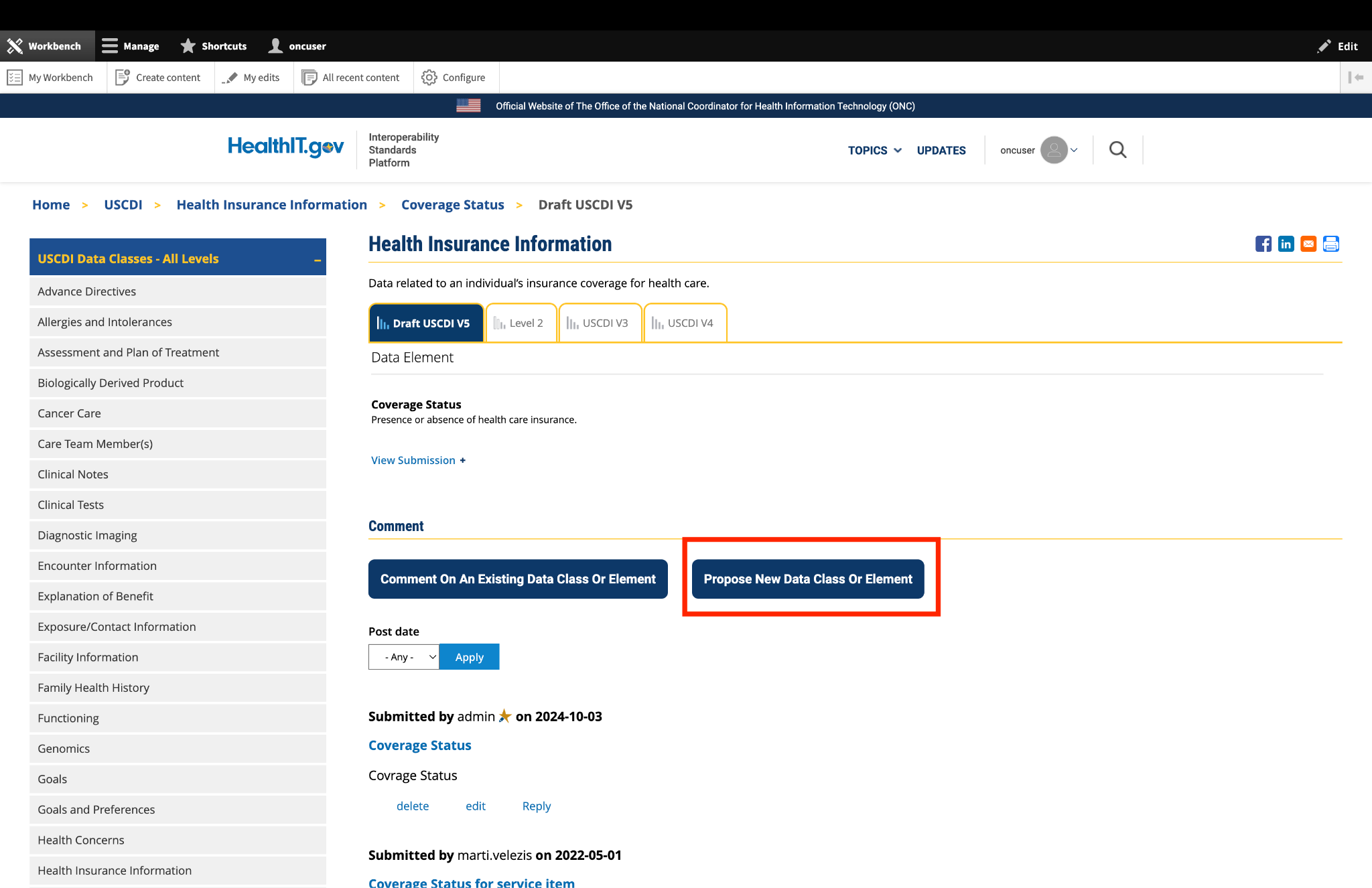
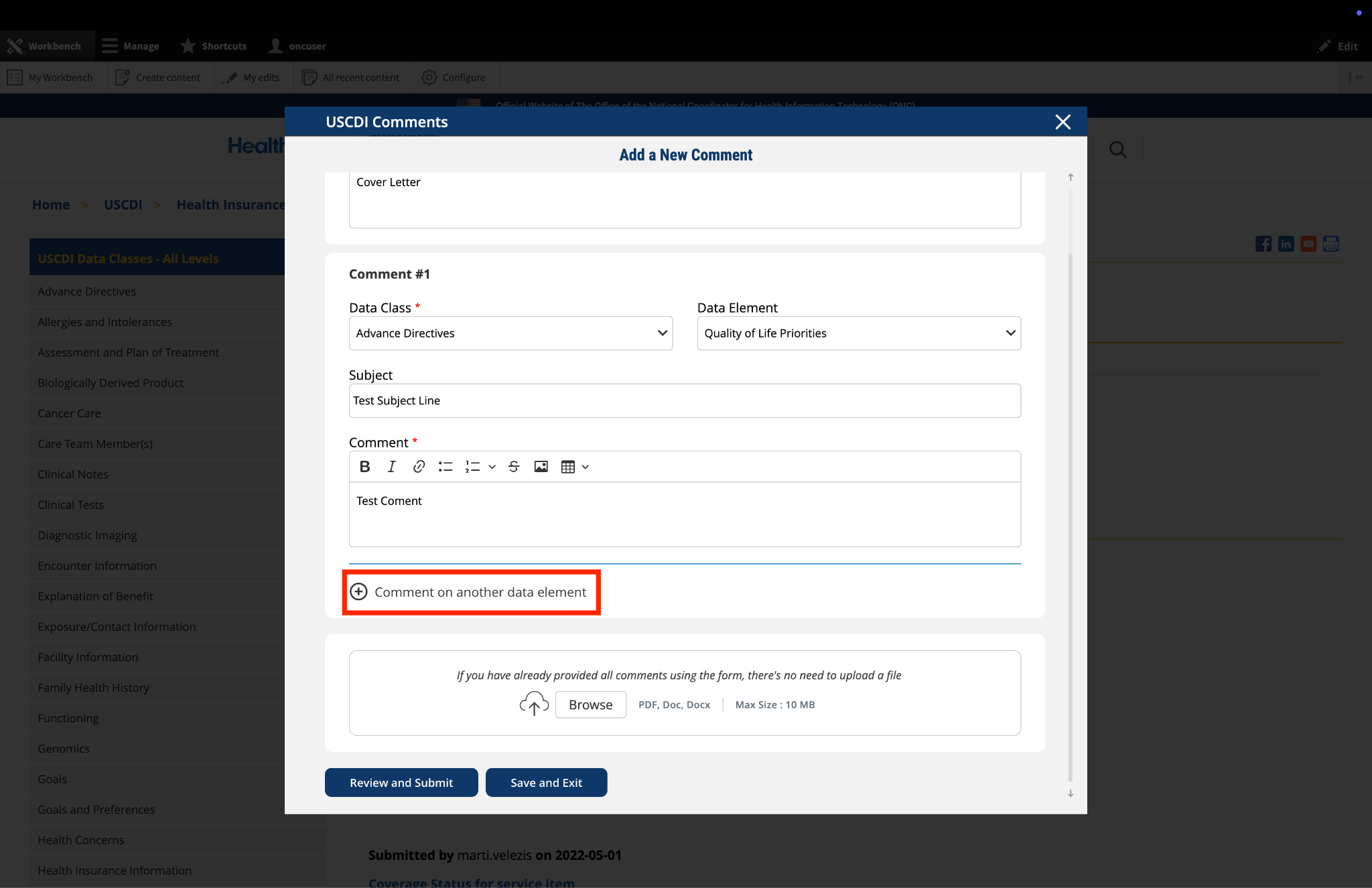
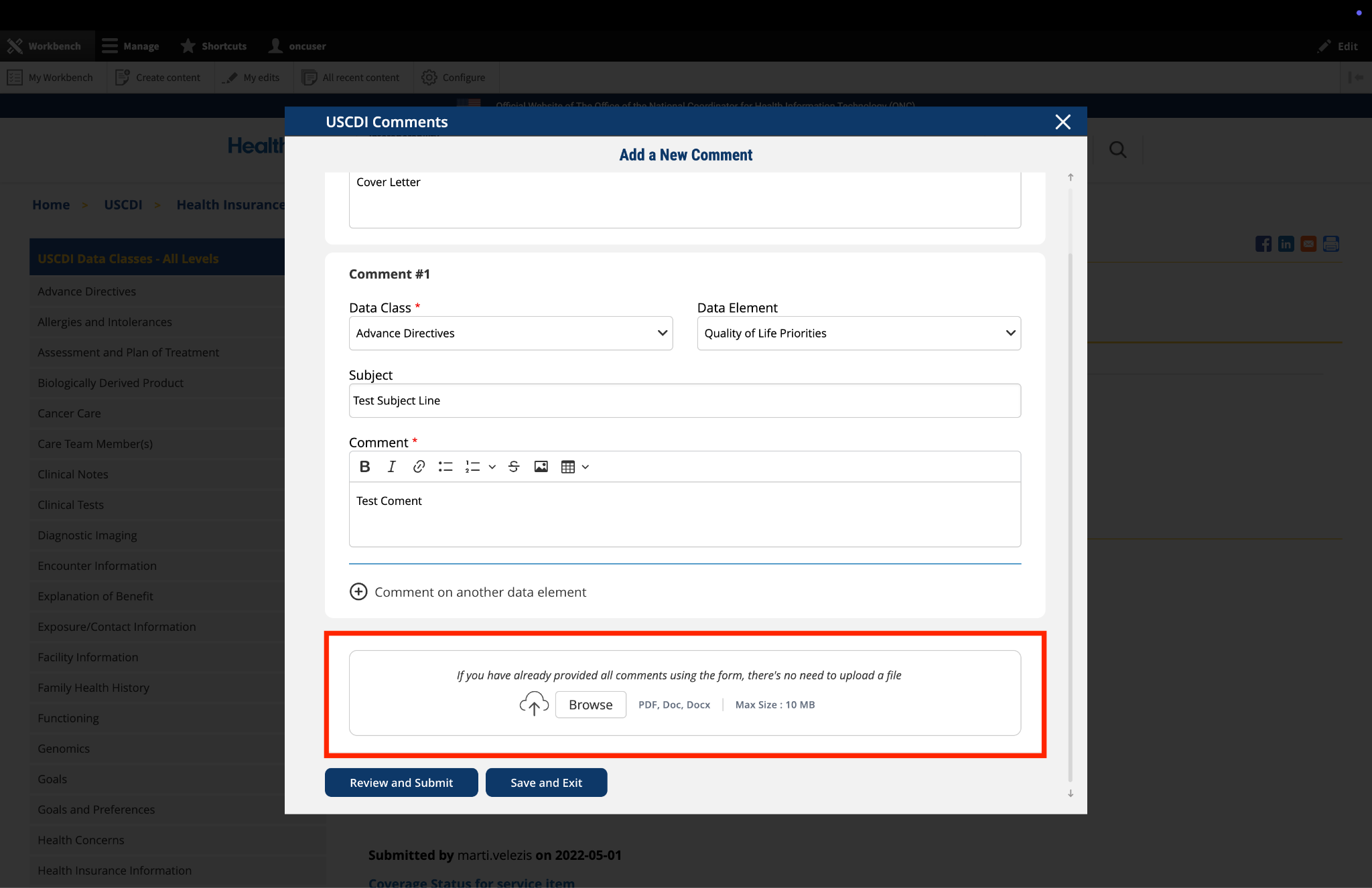
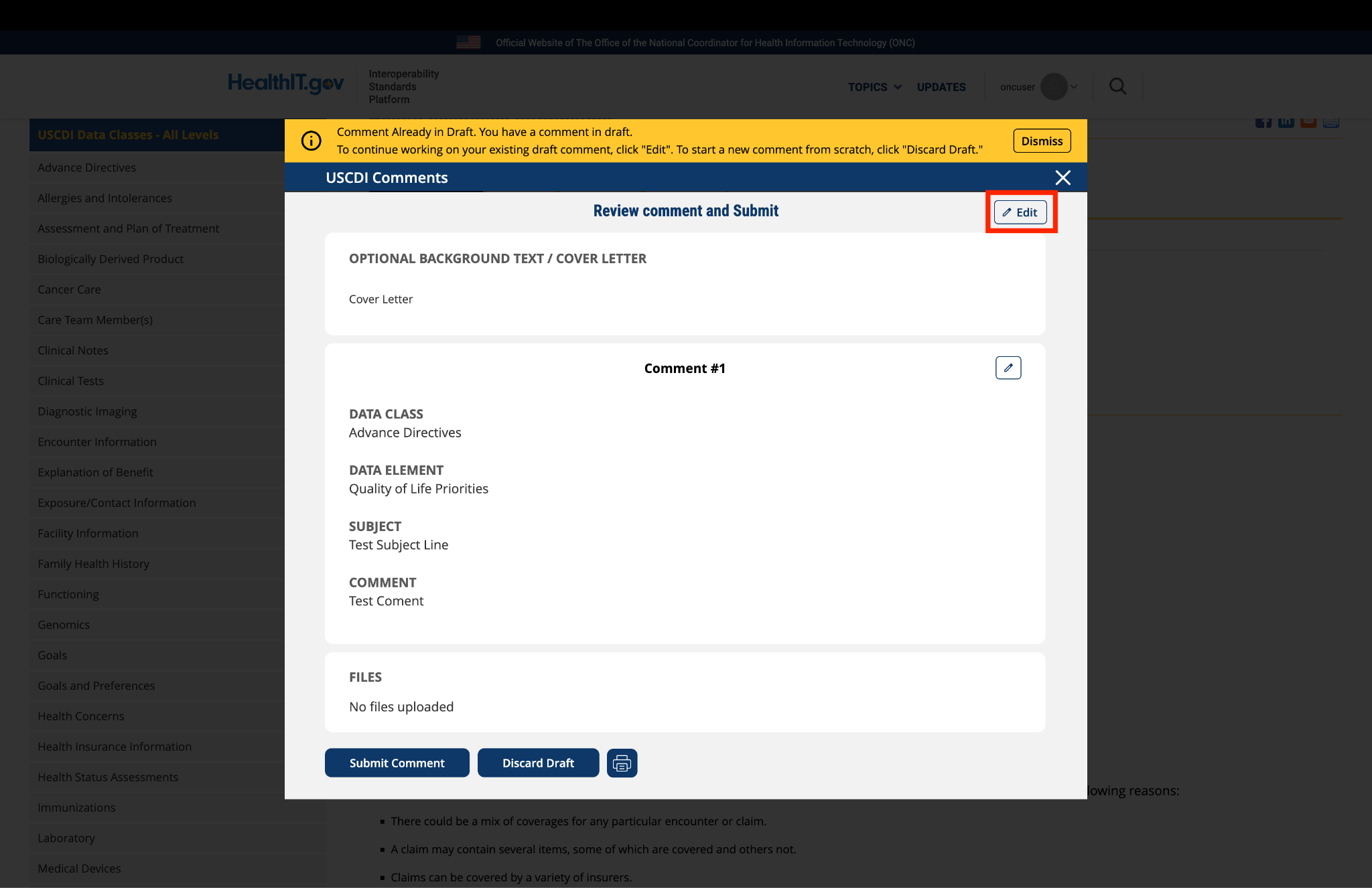
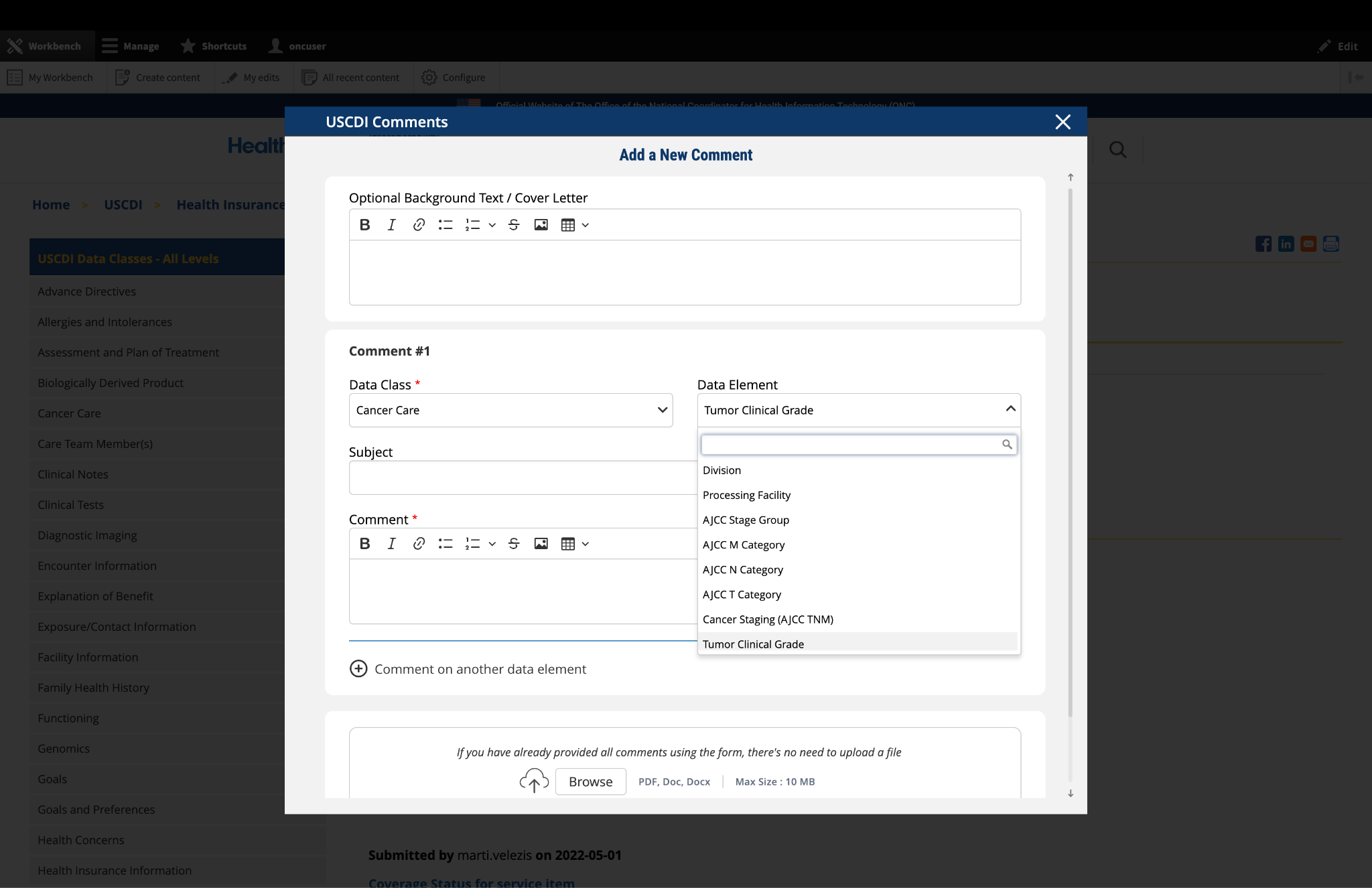
Add a New Comment

Review comment and Submit

Edit
Comment #1
PDF, Doc, Docx
Max Size : 10 MB