
Submitted by gldickinson on
HL7 FHIR Record Lifecycle Event Implementation Guide
Please add/update reference to HL7 FHIR Record Lifecycle Event Implementation Guide, published December 2023: http://hl7.org/fhir/uv/ehrs-rle/Informative1/
 Official Website of the Office of the National Coordinator for Health Information Technology
The metadata, or extra information about data, regarding who created the data and when it was created.
Data Element |
|---|
|
Author Time Stamp
|
Submitted by gldickinson on
Please add/update reference to HL7 FHIR Record Lifecycle Event Implementation Guide, published December 2023: http://hl7.org/fhir/uv/ehrs-rle/Informative1/
Submitted by gldickinson on
Needs to include description that Author Time Stamp must be associated with each USCDI dataset or data element that has a unique provenance set. Occurs when data is originated (captured, collected or sourced), updated, verified, attested, transformed (e.g., to/from exchange artifact such as HL7 v2 message, document or FHIR resource instance).
Provenance set includes who, what, when, where and why as metadata for USCDI data classes and data elements. Author Time Stamp is part of “when”. It offers essential assurance for transparency, accountability, trust, traceability and data integrity.
Note that Author Time Stamp is intrinsic to what the source EHR/HIT system already knows, thus it does not require extra data collection (burden) by the clinician or other end user.
The "Optional Background Text / Cover Letter" field provides space for additional context or introductory information related to your comment.
If you wish to provide context, explanation, or an introduction to your comment, enter this information in the field labeled "Optional Background Text / Cover Letter." This is entirely optional and is most useful when submitting multiple related comments or when additional background would help reviewers understand your feedback.
If you are only commenting on a single data class or element, you may leave this field blank.
To specify which data class your comment addresses:
To specify which data element your comment addresses:
Note: Comments on a specific data element will appear on the respective data element page, while comments on a data class (without a specific element selected) will appear on the landing page for that data class.
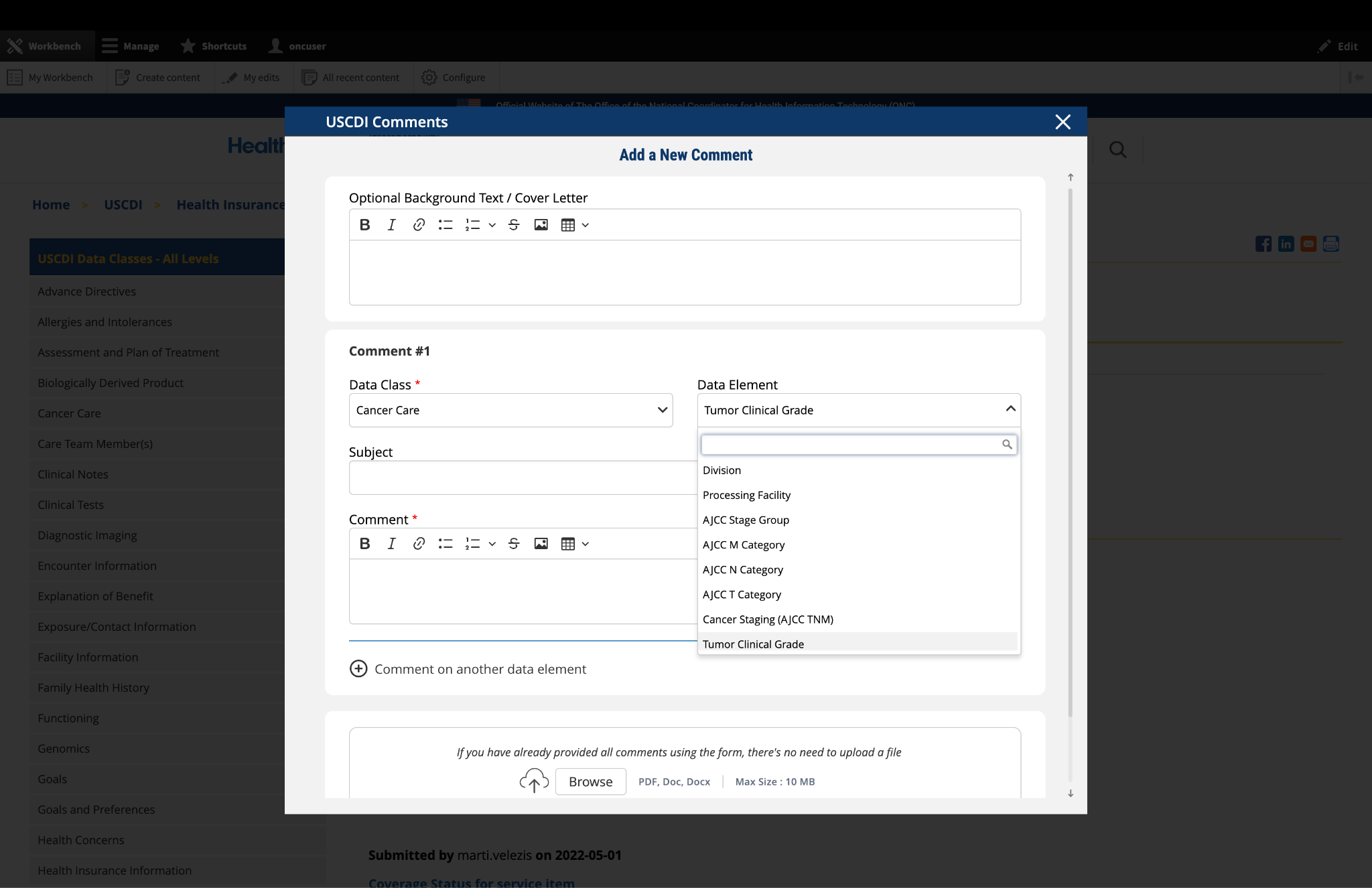
Fig 1 The "Data Class" and "Data Element" dropdown menus allow users to specify the exact content they wish to comment on.
If you cannot find the appropriate data class or element for your comment:
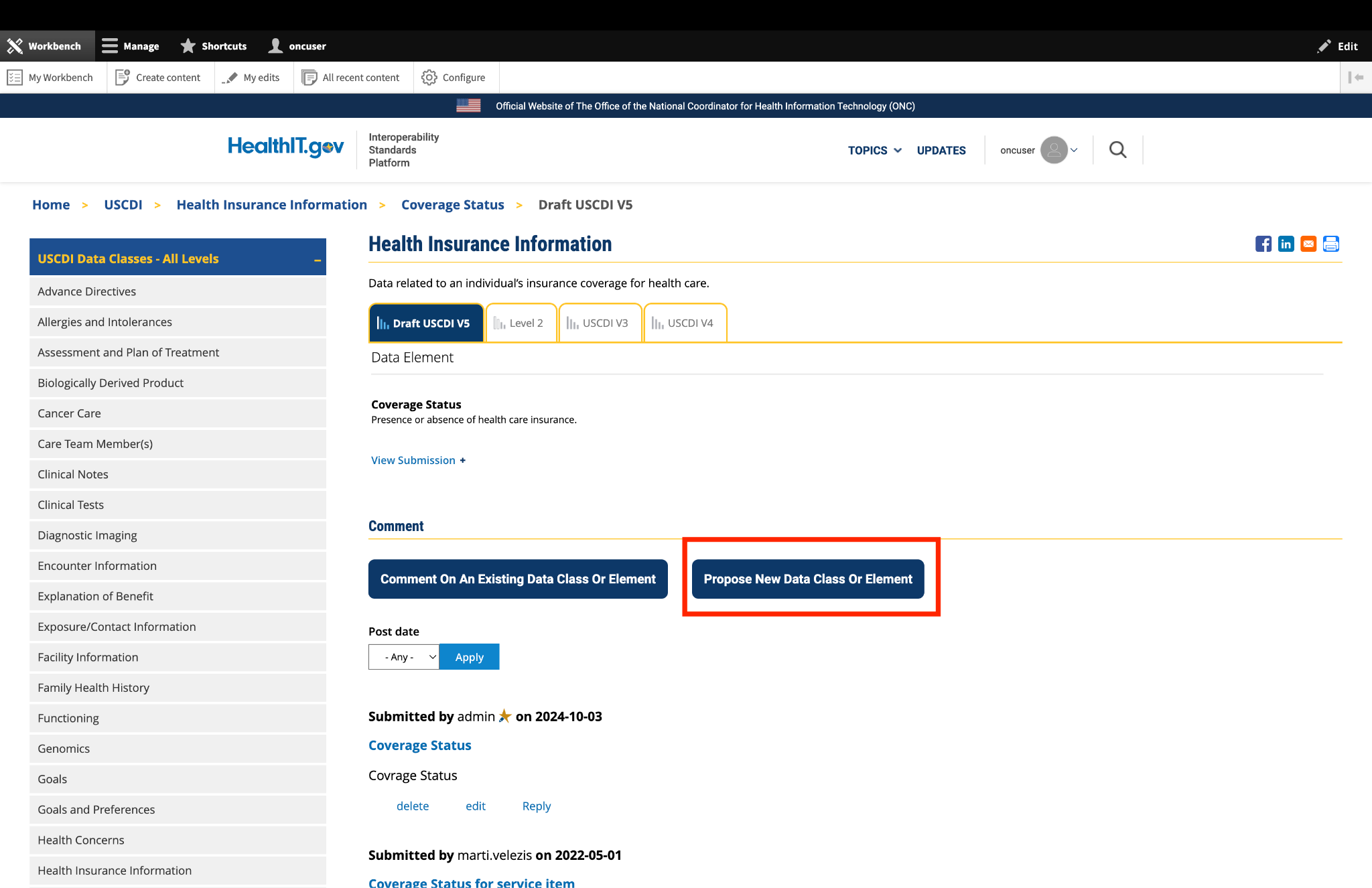
Fig 2 The "Propose a New Data Class or Data Element" button redirects users to the ONDEC Submission System for proposing new data elements not currently available in the system.
Fill out the required fields in the comment form:
Subject: Enter a brief, descriptive title that summarizes your comment. This helps reviewers quickly understand the nature of your feedback.
Comment: In this field, provide the full details of your comment or feedback. Be as clear and specific as possible about your suggestions, concerns, or observations. Include any relevant details that support your position.
If you need to comment on multiple data classes or elements:
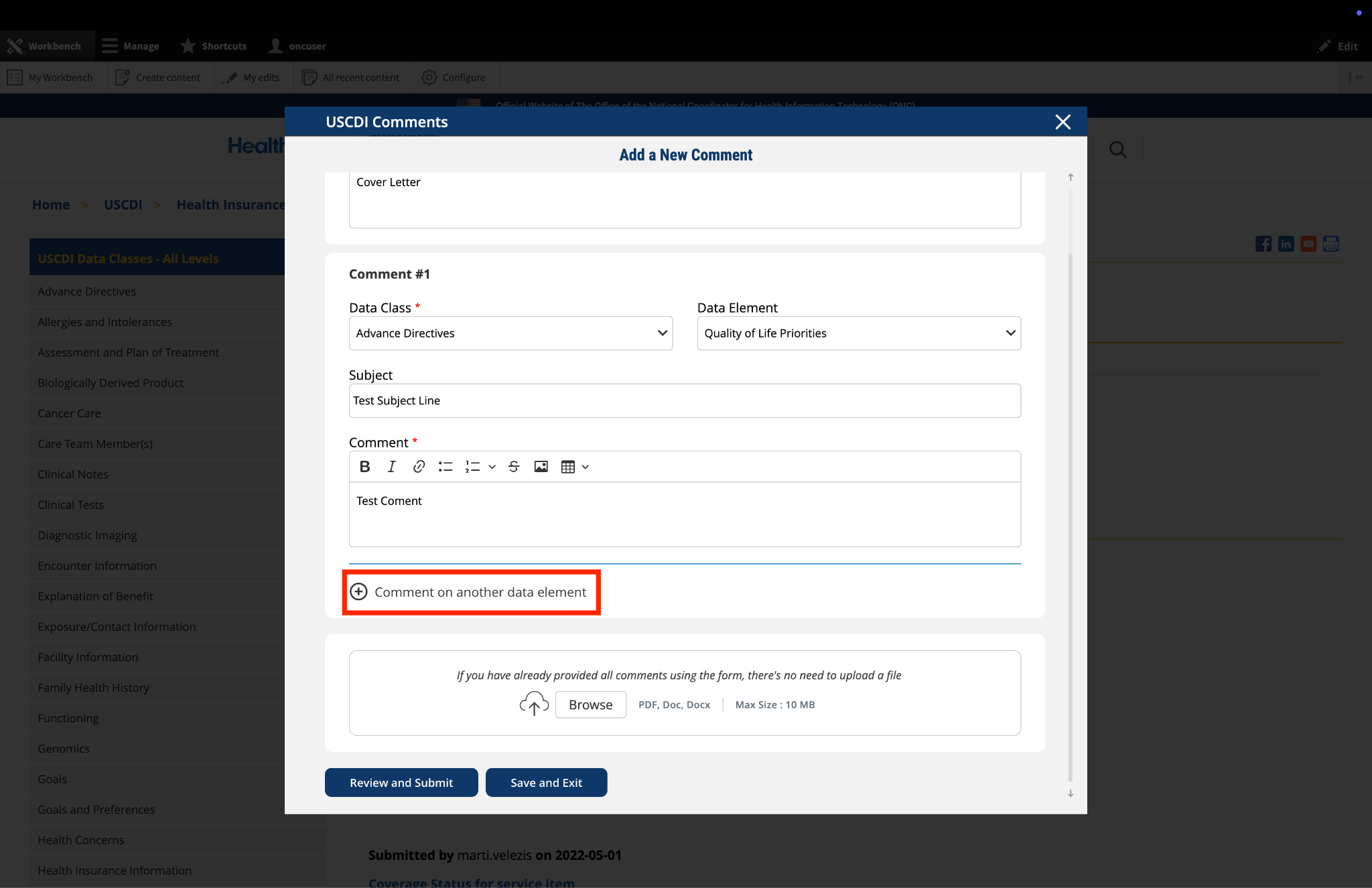
Fig 3 The "Comment on another data element" link enables users to create multiple comments addressing different elements within a single submission.
The platform allows you to upload supporting documentation to enhance your comment:
Important: If you have already entered your comments using the form fields, there is no need to upload duplicate content in PDF format. The file upload feature is intended for supplementary materials only. Please avoid uploading files that contain the same information already provided in your comment text.
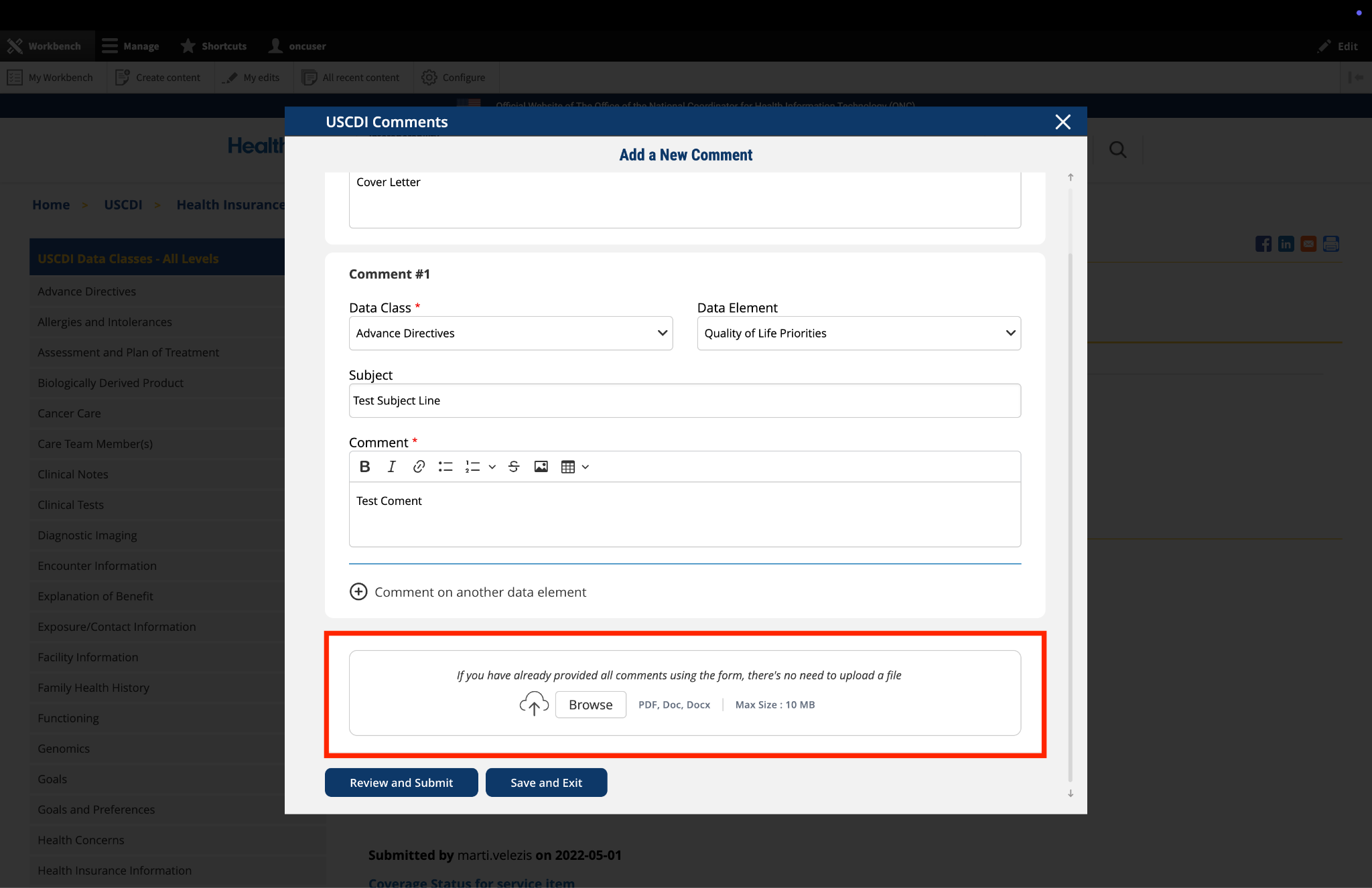
Fig 4 The "File Upload" section permits users to attach supporting documentation that supplements their written comments.
If you need to pause your work and return to complete your comment later:
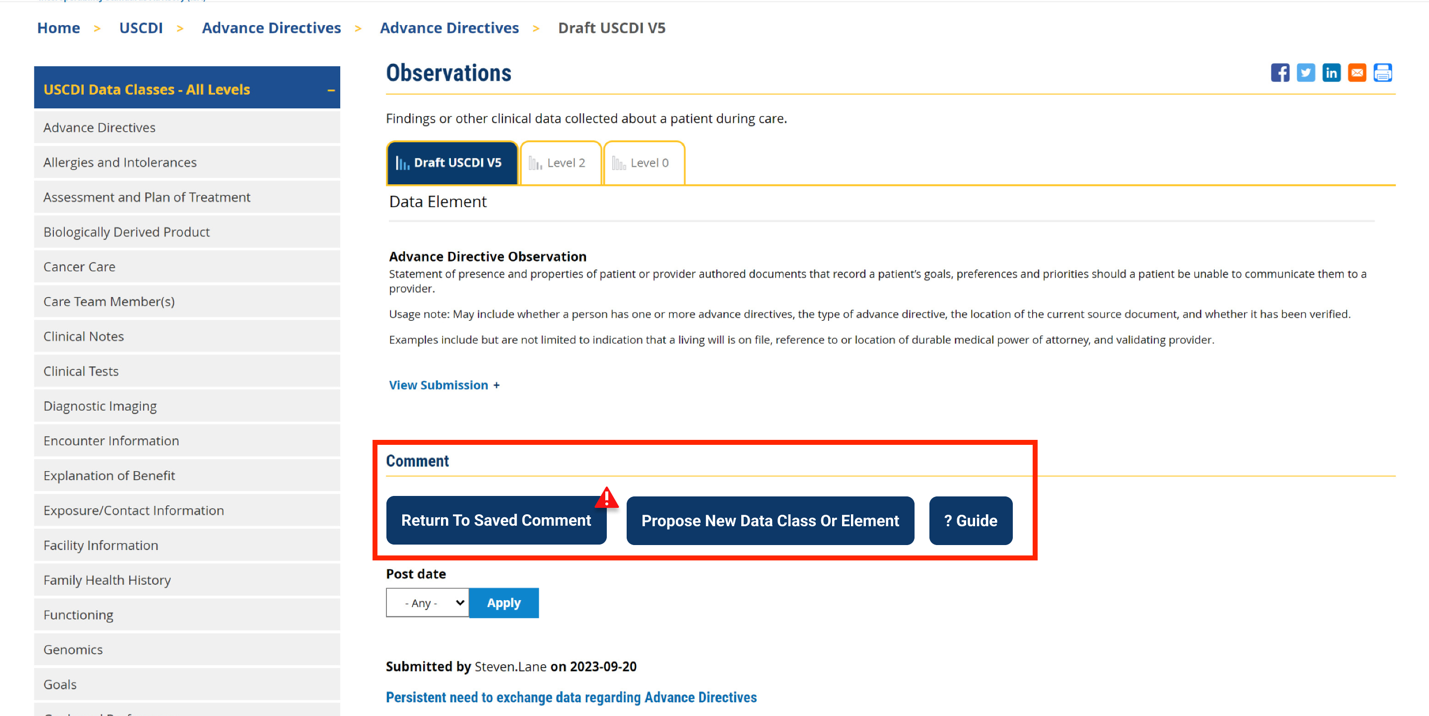
Fig 5 A red triangle with exclamation mark indicator appears next to the “Return to saved Comment” button when draft comments are saved in the system.
Once you have completed your comment:
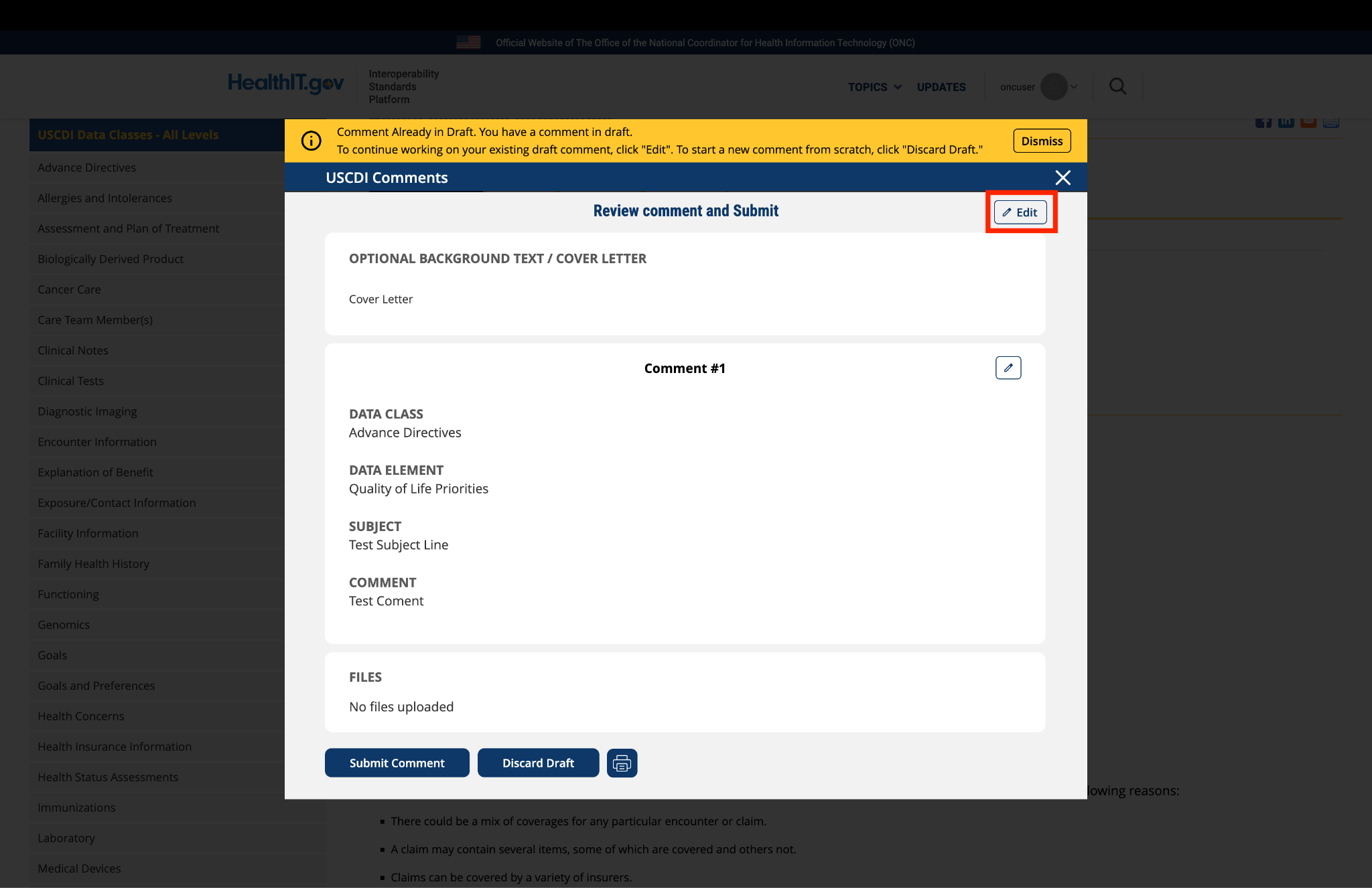
Fig 6 The review screen allows users to verify comment content and make any necessary modifications before final submission.
Submitted by Brianmaugo on
A record-level data quality indicator as part of Provenance
Provenance tells a receiving system who authored data and when. I suggest ONC consider extending this concept, through Provenance or a USCDI+ domain, to a small set of computable, vocabulary-anchored completeness measures that certified systems could produce with each record, for example, the share of lab, medication, and problem entries carrying their standard codes, and whether the patient has had an encounter within the past year. This would let receiving systems, researchers, and AI governance committees assess fitness for use without rebuilding that assessment each time. Small, rural, and independent organizations, which have the least capacity to build their own data quality tooling, would benefit most.