Assessments of a health-related matter of interest, importance, or worry to a patient, patient’s authorized representative, or patient’s healthcare provider that could identify a need, problem, or condition.

Data Element

Functional Status
Description (*Please confirm or update this field for the new USCDI version*)

Assessment of a person’s ability to perform activities of daily living and activities across other situations and settings.

Examples include but are not limited to bathing, ambulation, and preparing a light meal.

Applicable Vocabulary Standard(s)

Applicable Standards (*Please confirm or update this field for the new USCDI version*)
  • Logical Observation Identifiers Names and Codes (LOINC®) version 2.74

View guidance on Applicable Vocabulary Standards and versioning.

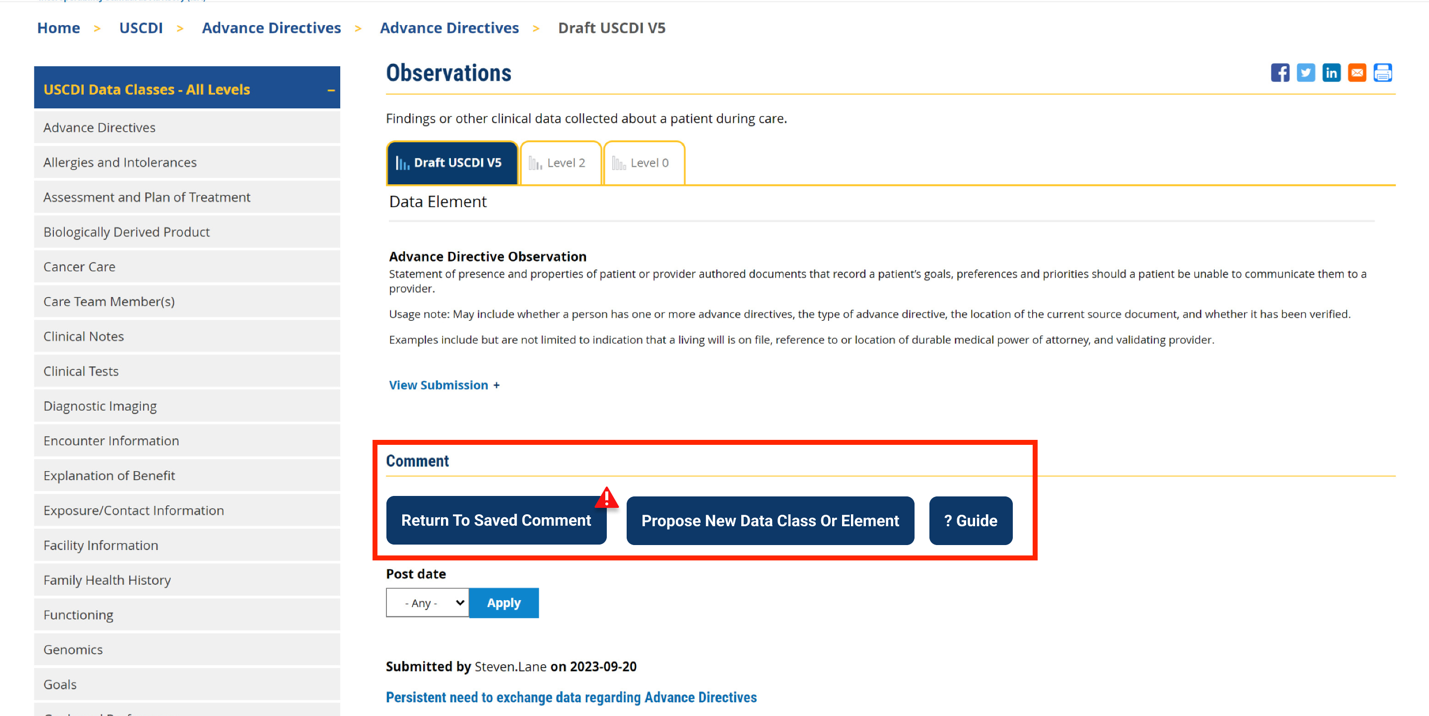
Comment

ASHA: Add ICF as Applicable Vocabulary Standard

On behalf of the American Speech-Language-Hearing Association (ASHA), I write to share ASHA’s support of PACIO's recommendation to add the International Classification of Functioning, Disability and Health (ICF) as an Applicable Vocabulary Standard to the Functional Status, Health Concerns, and Mental/Cognitive Status data elements. . ASHA is the national professional, scientific, and credentialing association for 247,000 members, certificate holders, and affiliates who are audiologists; speech-language pathologists (SLPs); speech, language, and hearing scientists; audiology and speech-language pathology assistants; and students. Audiologists specialize in preventing and assessing hearing and balance disorders as well as providing audiologic treatment, including hearing aids. SLPs identify, assess, and treat speech, language, swallowing, and cognitive communication disorders. 


 Recommendation: Add the International Classification of Functioning, Disability and Health (ICF) as an Applicable Vocabulary Standard to the Functional Status, Health Concerns, and Mental/Cognitive Status data elements.

Rationale: The PACIO Project Community* recommends the addition of the World Health Organization’s International Classification of Functioning, Disability and Health (ICF) as an Applicable Vocabulary Standard to the Health Concern data element.

  • Background: The ICF was created in 2001 to classify functioning domains as a consequence of health conditions, which are not completely captured by any other codeable concept ontology. The ICF ontology allows data to be categorized as mental, cognitive, and functional factors, as well as health concerns in a machine-readable way.
  • Clinical utility: Research suggests that the ICF is useful in supporting clinical care related to functioning, cognition, and addressing health concerns, as demonstrated by evidence of its validation in post-acute physiotherapy, usefulness in assessing long-term psychiatric care, and utility in evaluating a telerehabilitation intervention.
  • Support: The ICF has been recommended or endorsed by The National Committee on Vital and Health Statistics (NCVHS) and the American Physical Therapy Association. The American Speech-Language-Hearing Association (ASHA) provides information on how to use the ICF. CMS and the CDC provide guidance on using the ICF.
  • The WHO developed the ICF to be ICD complementary, with ICF covering functioning and environmental factors and ICD covering diseases and other health problems. As described by the WHO, “ICF is based on the same foundation as ICD…and share the same set of extension codes that enable documentation at a higher level of detail.”
  • The PACIO Project makes extensive use of the ICF ontology in the Personal and Functional Engagement (PFE) FHIR IG STU-2 as category codes for several profiles. 


Current Standards


Current Use

  • All post-acute care (PAC) vendors can collect data pertaining to Functional Status and Mental/Cognitive Status given CMS requirements to collect such data required for PAC facilities to get reimbursement (e.g., Minimum Data Set for nursing facilities, Inpatient Rehabilitation Facility Patient Assessment Instrument [IRF-PAI]); therefore, all vendors have the potential to apply ICF to the volume of Functional Status and Mental/Cognitive Status data already collected.
    • Three vendors have deployed the PACIO PFE IG that integrates the ICF: Global Alliant, Open City Labs, and Patient Centric Solutions. 


Current Exchange

ASHA: Include FCMs in Functional & Mental/Cognitive Status


On behalf of the American Speech-Language-Hearing Association (ASHA), I write to share ASHA’s support of PACIO's recommendation to expand the definitions of Functional Status and Mental/Cognitive Status data elements to include the American Speech-Language-Hearing Association (ASHA) Functional Communication Measures (FCMs) that have assigned LOINC codes. ASHA is the national professional, scientific, and credentialing association for 247,000 members, certificate holders, and affiliates who are audiologists; speech-language pathologists (SLPs); speech, language, and hearing scientists; audiology and speech-language pathology assistants; and students. Audiologists specialize in preventing and assessing hearing and balance disorders as well as providing audiologic treatment, including hearing aids. SLPs identify, assess, and treat speech, language, swallowing, and cognitive communication disorders. The services provided by ASHA members are medically necessary, evidence-based, and essential to the health and independence of Medicaid beneficiaries across the lifespan.


Recommendation: Expand the definitions of Functional Status and Mental/Cognitive Status data elements to include the American Speech-Language-Hearing Association (ASHA) Functional Communication Measures (FCMs) that have assigned LOINC codes.


Rationale: The PACIO Project Community* recommends including Functional Communication Measures (FCMs), in the definitions of the Functional Status and Mental/Cognitive Status data elements to demonstrate the capability in each of these domains for capturing communication specific health information. Inclusion of FCMs would help support patient- and caregiver-centered care as well as patient engagement.


Current Standards

  • Background: FCMs were created by the American Speech-Language-Hearing Association (ASHA) and are is “used to describe an individual’s functional abilities over the course of speech-language pathology intervention in a given level of care,” according to an ASHA user guide. Eight FCMs have been endorsed by NQF for use in the Physician Quality Reporting System, including: Attention, Memory, Motor Speech, Reading, Spoken Language Comprehension, Spoken Language Expression, Swallowing, and Writing. Of note, an NQF-endorsed measure “tends to be one that is generally regarded as a high-quality measure” by CMS.
  • Practice: FCMs have been designed to support compliance with CMS requirements to “report all outcomes data on all Medicare Part B beneficiaries receiving speech-language services” (ASHA). In 2007, CMS recommended use of the NOMS, which includes FCMs, by speech language pathologists.
  • Technical: LOINC includes FCM items, organized within a swallowing panel (99852-6), cognition panel (99788-2), Multi-Modal Functional Communication panel (99828-6), Spoken Language Comprehension panel (99836-9), and Spoken Language Expression panel (99844-3).


Current Use

  • Practice: The FCMs are the discipline standard for speech, language, and hearing assessments and are included in the National Outcomes Measurement System (NOMS). The purpose is to support longitudinal collection of speech, language, and hearing data to inform clinical care and support quality service provision (ASHA).
    • Technical: There is a NOMS "SMART on FHIR" app for Epic and Cerner Customers that supports collection of FCM data (NOMS includes FCM items).


Current Exchange

  • The NOMS is available via a “SMART on FHIR” app for Epic and Cerner Customers also supports transmission of FCM data via its inclusion in NOMS.
    • The FCM data are captured under both Functional Status and Cognitive Status as part of a published PACIO Personal and Functional Engagement (PFE) FHIR IG STU-2, compliant with US Core 6.1.0. 


Breadth of Applicability 

  • FCM data are collected by clinicians, including Speech Language Pathologists (SPLs) and audiologists, across various care settings, including post-acute care settings (ASHA). The FCM is not a required to be collected, but is collected by these specialties to support care (example of FCM usage available via ASHA NOMS data reports for 671,628 adults and 3,967 children ages 3-5).
  • FCM data can be electronically submitted to the NOMS system by participating organizations that integrate NOMS into their EHR systems.


Applicable standards: The PACIO Community recommends including FCMs within the Functional Status and Mental/Cognitive Status data elements.
Functional Status

Health Status – Functional Status


NACHC is supportive of the concept of functional status; however, it is not likely to support interoperability to solely create a terminology binding to support the concept. Because concepts in the draft version are in fact different types of functional status or causes of disability, we believe that creating a class for this concept will likely create larger transitions of care documents without being able to be processed by receiving systems. This approach creates liability for providers who at best can use this data as free text in this case and contributes to data overload and burnout. We strongly recommend providing either specific category of functional status with equivalent semantics and clear terminology bindings. NACHC encourages ONC to support work on a list of preferred instruments and mappings that will assist organizations in normalizing these types of data.

CMS-CCSQ Support for Removing Pressure Ulcer Risk and Fall Risk

CMS suggests removing pressure ulcer risk and falls risk as examples under the Functional Status data element definition as they are not representative of functional status. Examples that can be added to this data element include self-care including activities of daily living, mobility, or use of a device. We agree that pressure injuries and falls risk information are important to exchange so we will address the placement of this information under the Problems data class in a future version of USCDI.

PACIO Project Recommends Removal of Disability Status

  • Data Class: Health Status Assessments (Draft V4) 

  • Data Elements: Functional Status, Mental/Cognitive Status, Disability Status (Draft V4)  

  • Recommendation: Remove the Disability Status data element from the Health Status data class and instead add a new data element entitled, “Disability” to the patient demographic data class.  

  • Rationale: The PACIO (Post-Acute Care Interoperability) Project, established February 2019, is a collaborative effort between industry, government, and other stakeholders, with the goal of establishing a framework for the development of FHIR implementation guides to facilitate health information exchange. The PACIO Community supports CMS and CDC submission, which reflect their view that identifying a person with a disability does not necessarily have any bearing on how healthy a person is or the status of one’s health. However, collecting and transmitting data on disability in a standardized way alongside other demographic factors is vital to recognition of disability as a key component of identity and allows analysis of outcomes and conditions in an intersectional way, incorporating race/ethnicity, age, sex, and disability together for a more comprehensive understanding of patient demographics. 

PACIO Project Recommends Value Set Adoption

  • Data Class: Health Status Assessments (Draft V4) 

  • Data Elements: Functional Status, Mental/Cognitive Status, Disability Status (Draft V4) 

  • Recommendation: Adopt the value sets developed for the “Personal Functioning and Engagement” IG as part of the USCDI V3 updates to the U.S. Core IG to incorporate Functional Status and Cognitive Status data elements. 

  • Rationale: The PACIO (Post-Acute Care Interoperability) Project, established February 2019, is a collaborative effort between industry, government, and other stakeholders, with the goal of establishing a framework for the development of FHIR implementation guides to facilitate health information exchange. Functional and Mental/Cognitive Status are important data classes that have widespread use in all healthcare settings and sharing the content of standardized PAC assessments (some of which are federally required) with non-PAC providers (e.g., hospitals, physicians) would improve the quality of care and facilitate care coordination during transitions of care. These instruments use a consistent framework mapped to HIT standards for functional status, contain administrative and clinical patient data, can be considered as individual data elements (mobility, pressure ulcer, transportation, social isolation, etc.) or a “questionnaire” of grouped data elements together (MDS, OASIS, IRFPAI, FASI etc.) The PACIO Community wishes to update the ONC/USCDI with current efforts relating to several of the data elements under the proposed USCDI V4 data class of Health Status (Health Concerns, Functional Status, Disability Status, and Mental/Cognitive Status). The PACIO Community recognized the value of creating data models (like Gravity’s SDOH) that allow for expansion across multiple domains. As a result, PACIO created a new FHIR Implementation Guide (IG), “Personal Functioning and Engagement,” which consolidates PACIO’s prior published IGs (STU1) “Cognitive Status” and “Functional Status”. The PACIO group also is incorporating data elements of communication, swallowing, and hearing to the “Personal Functioning and Engagement” IG currently under development. Currently, the Personal Functioning and Engagement IG data structures focus on observation/ assessment data. However, the IG could include future expansion using additional resources as the work matures. The concept of “Personal Functioning and Engagement” encompasses both an individual’s abilities (positive strengths) and disabilities (impairments) across all types of functioning. The PACIO Community examined and incorporated the International Classification of Functioning, Disability and Health (ICF) as a conceptual framework that underpins this new PACIO Personal Functioning and Engagement IG. PACIO’s current work focuses on ICF “Body Functions” including mental functions, sensory functions (including hearing), voice and speech functions, and ingestion functions (swallowing). Current PACIO focus for ICF “Activities and Participation” functions include Learning and Applying Knowledge, Communication, Mobility, and Self-care.  

PACIO Project Comment on Pressure Ulcer Risk and Falls Risk

  • Data Class: Health Status Assessments (Draft V4) 

  • Data Elements: Functional Status (Draft V4)  

  • Recommendation: Remove the pressure ulcer risk and falls risk as examples under the Functional Status data element definition.  

  • Rationale: The PACIO (Post-Acute Care Interoperability) Project, established February 2019, is a collaborative effort between industry, government, and other stakeholders, with the goal of establishing a framework for the development of FHIR implementation guides to facilitate health information exchange. The PACIO Community supports the CMS submission, which suggests removing pressure ulcer risk and falls risk as examples under the Functional Status data element definition, as they are not directly representative of functional status. Examples that can be added to this data element include self-care including activities of daily living, mobility, or use of an assistive device. Under USCDI V3, activities of daily living currently is listed as an example under the “Disability Status” data element, which we have recommended be removed from the Health Assessments data class in a separate comment submission. Consistent with this recommendation, we recommend activities of daily living should be included as an example under the Functional Status data element. We agree that pressure injuries and falls risk information are important to exchange, so we recommend this information would be more appropriately captured under the Problems data class in a future version of USCDI. 

Support to Advance Functional Status

  • The PACIO (Post-Acute Care Interoperability) Project, established February 2019, is a collaborative effort between industry, government, and other stakeholders, with the goal of establishing a framework for the development of FHIR implementation guides to facilitate health information exchange. Functional and Mental/Cognitive Status are important data classes that have widespread use in all healthcare settings and sharing the content of federally required PAC assessments with non-PAC providers (e.g., hospitals, physicians) would improve the quality of care and facilitate care coordination during transitions of care. These instruments use a consistent framework mapped to HIT standards for functional status, contain administrative and clinical patient data, can be considered as individual data elements (mobility, pressure ulcer, transportation, social isolation, etc.) or a “questionnaire” of grouped data elements together (MDS, OASIS, IRF-PAI, etc.)
  • The PACIO Community wishes to update the ONC/USCDI with current efforts relating to several of the data elements under the proposed USCDI v.4 data class of Health Status (Health Concerns, Functional Status, Disability Status, and Mental/Cognitive Status). The PACIO Community recognized the value of creating data models (like Gravity’s SDOH) that allow for expansion across multiple domains. As a result, PACIO created a new FHIR Implementation Guide (IG), “Personal Functioning and Engagement,” which consolidates PACIO’s prior published IGs (STU1) “Cognitive Status” and “Functional Status”. The PACIO group also is incorporating data elements of communication, swallowing, and hearing to the “Personal Functioning and Engagement” IG currently under development. Currently the Personal Functioning and Engagement IG data structures focus on observation/ assessment data. However, the IG could include future expansion using additional resources as the work matures. The concept of “Personal Functioning and Engagement” encompasses both an individual’s abilities (positive strengths) and disabilities (impairments) across all types of functioning. The PACIO Community examined and incorporated the International Classification of Functioning, Disability and Health (ICF) as a conceptual framework that underpins this new PACIO Personal Functioning and Engagement IG. PACIO’s current work focuses on ICF “Body Functions” including mental functions, sensory functions (including hearing), voice and speech functions, and ingestion functions (swallowing). Current PACIO focus for ICF “Activities and Participation” functions include Learning and Applying Knowledge, Communication, Mobility, and Self-care.
    • The PACIO Community encourages ONC to consider adopting the value sets developed for the “Personal Functioning and Engagement” IG as part of the USCDI v.3 updates to the U.S. Core IG to incorporate Functional Status and Cognitive Status data elements.

AOTA's Comments on Functional Status

AOTA encourages USCDI to consider including assessments that assess activities of daily living (ADLs) and instrumental activities of daily living (IADLs) as these are critical elements of an individual's function. We would recommend utilizing tools that already have LOINC codes that assess function on a broader scale (e.g. FASI). The other assessments mentioned as examples are limited in scope and may not capture sufficient data to communicate an individual’s function beyond basic elements.  

We support the use of the CMS Data Element Library but encourage the utilization of other instruments. The post-acute care assessment instruments capture limited information on ADLs that may not provide a full picture of an individual's ability to function after discharge from facilities or after therapy services have ceased.  


2022 USCID Final Comments_0.pdf

A Class for Functional Status

NACHC supports the comments from Ann Phillips/IMO and suchen.


NACHC is supportive of the concept of functional status; however, it is not likely to support interoperability to solely create a terminology binding to support the concept. Because concepts in the draft version are in fact different types of functional status or causes of disability, we believe that creating a class for this concept will likely create larger transitions of care documents without being able to be processed by receiving systems.


This approach creates liability for providers who at best can use this data as free text in this case and contributes to data overload and burnout. We strongly recommend providing either specific category of functional status with equivalent semantics and clear terminology bindings.


Please see attached NACHC letter, documenting this comment and other feedback for v3 accepted draft data elements.

2022-04-30 NACHC USCDIv3 Letter of Support_3.pdf

Log in or register to post comments

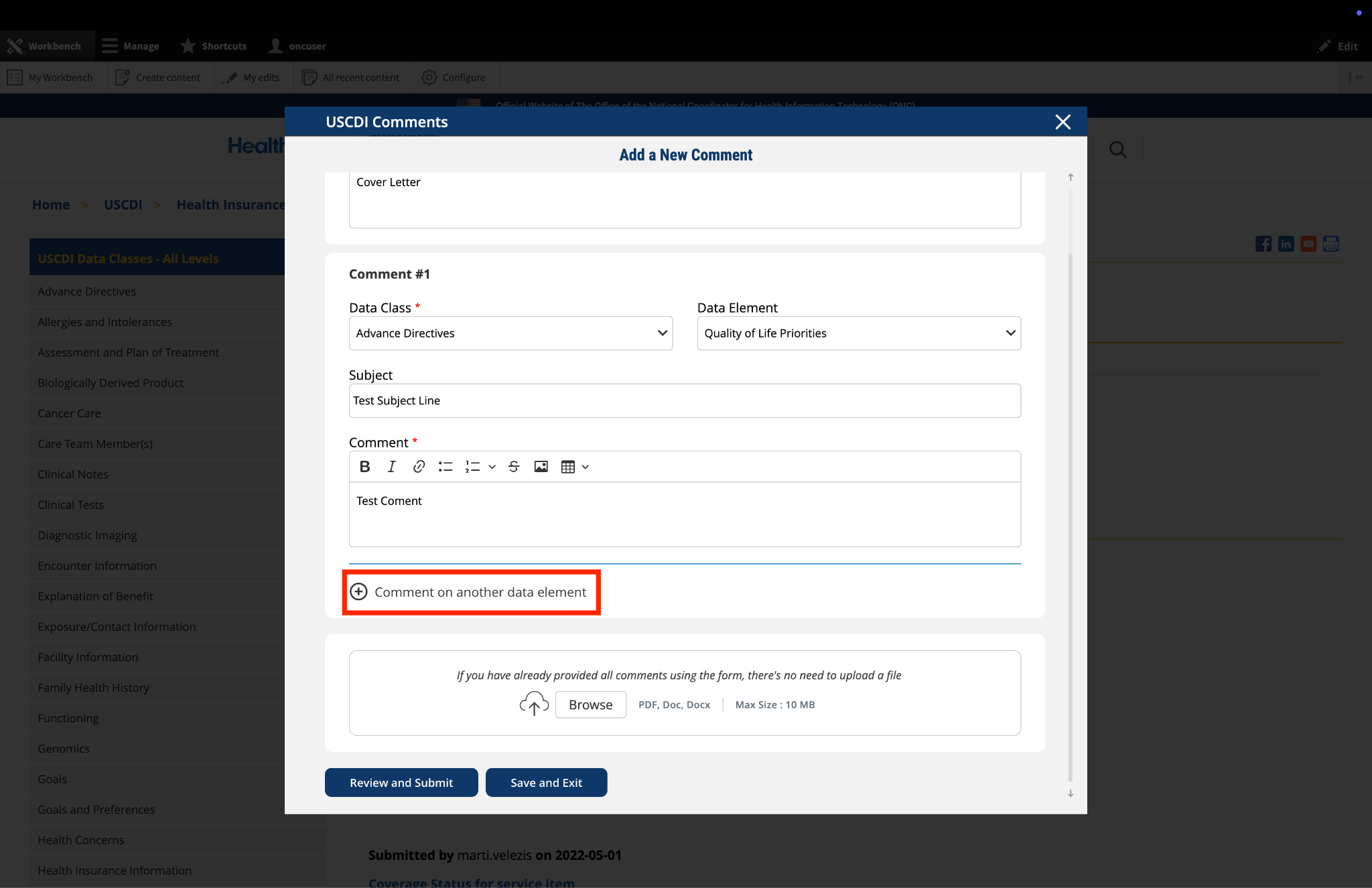
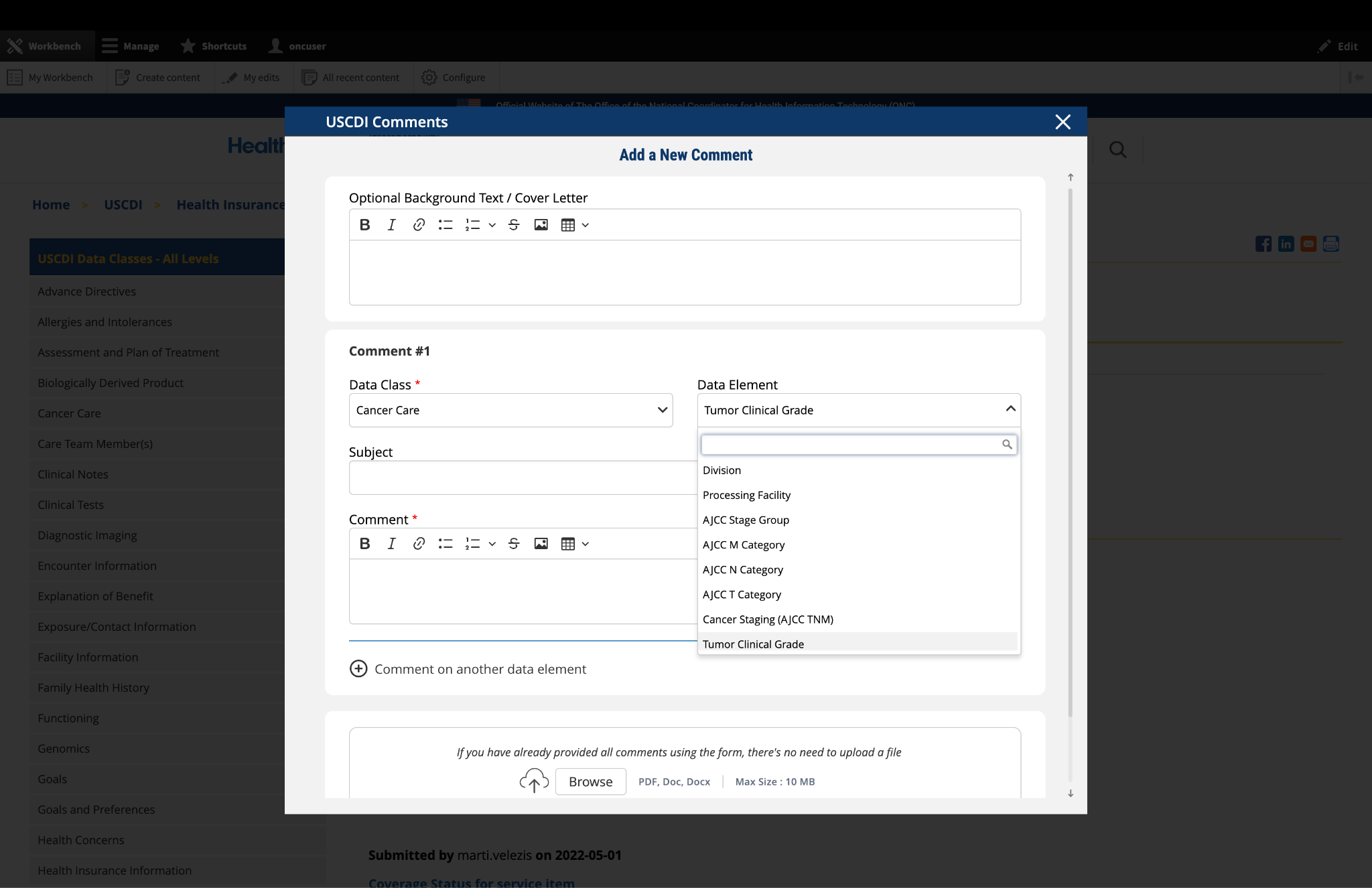
Add a New Comment

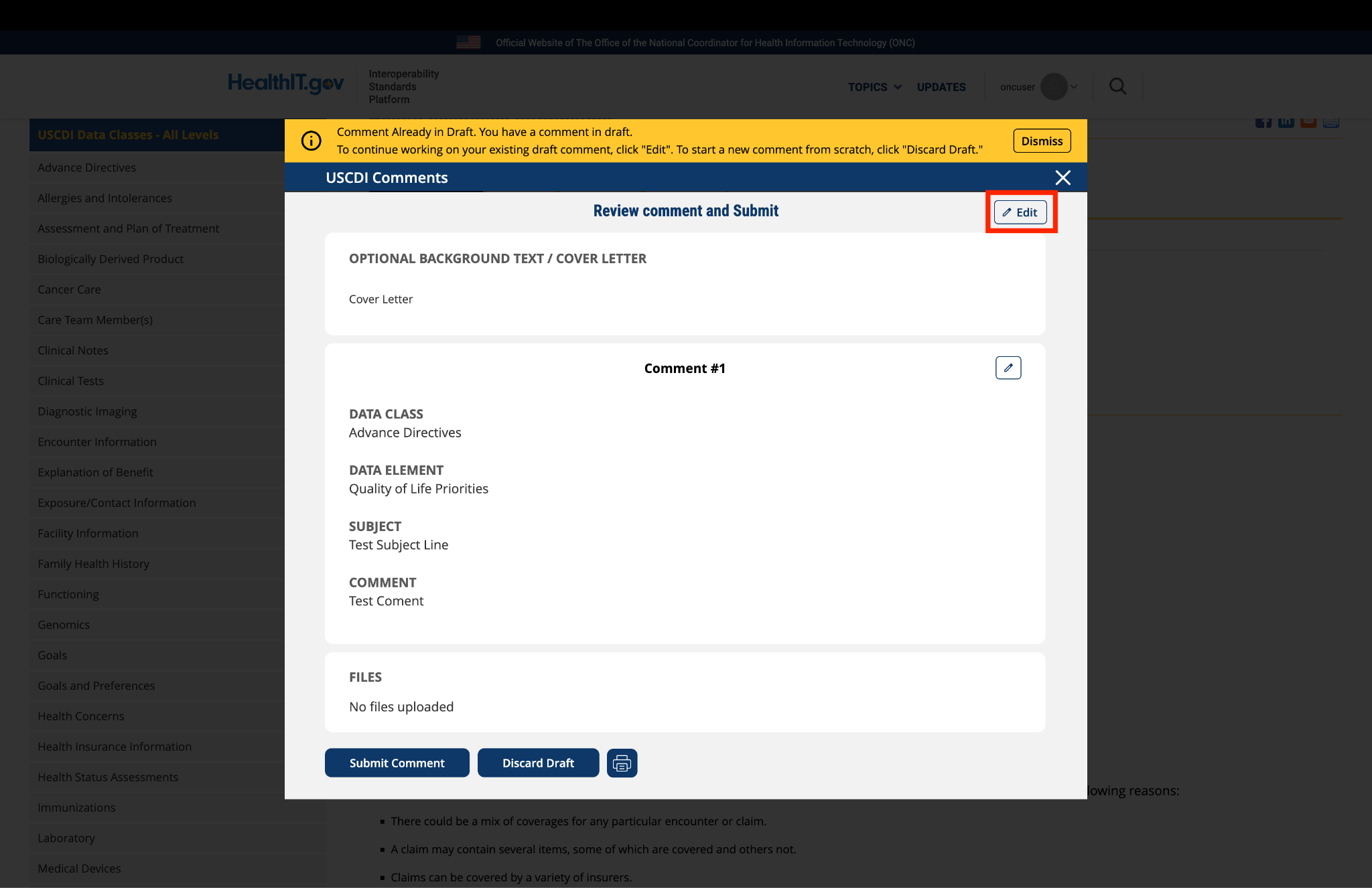
Review comment and Submit

Edit
Comment #1
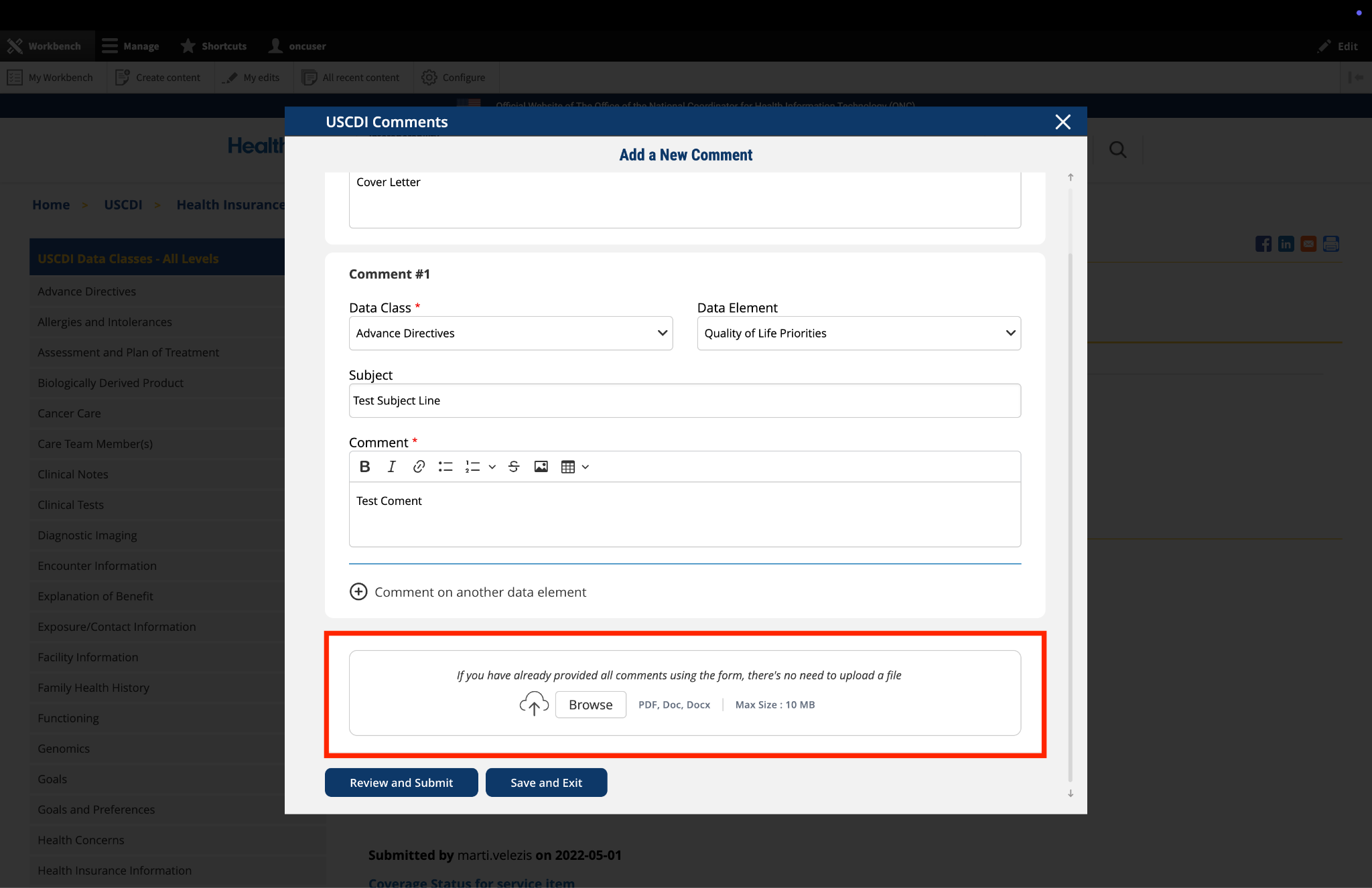
PDF, Doc, Docx
Max Size : 10 MB