
Submitted by rdillaire on
CMS-CCSQ Applauds this data element’s inclusion in USCDIv7
CMS CCSQ supports the inclusion of Condition Status in USCDI v7.
 Official Website of the Office of the National Coordinator for Health Information Technology
Condition, diagnosis, or reason for seeking medical attention.
Data Element |
||||||||||||||||||||||||||||||||||||||||||||||||||||
|---|---|---|---|---|---|---|---|---|---|---|---|---|---|---|---|---|---|---|---|---|---|---|---|---|---|---|---|---|---|---|---|---|---|---|---|---|---|---|---|---|---|---|---|---|---|---|---|---|---|---|---|---|
|
Condition Status
Description (*Please confirm or update this field for the new USCDI version*)
State of a disease, problem, or condition at a given point in time. Examples include but are not limited to active, resolved, recurrence, and remission. | ||||||||||||||||||||||||||||||||||||||||||||||||||||
|
||||||||||||||||||||||||||||||||||||||||||||||||||||
Submitted by rdillaire on
CMS CCSQ supports the inclusion of Condition Status in USCDI v7.
Submitted by csnewman on
In the description of Condition Status, the use of the wording "presents or manifests" is odd for a status. This evokes more of a phenotypic description (rash, etc) than a status. Perhaps alignment with the definition of Immunization Status and/or Procedure Status could be considered.
Submitted by suchen on
This data element has support from the HL7® FHIR® CodeX™ Accelerator community. CodeX supported FHIR data standards for cancer, genomics and cardiovascular health have a rapidly growing footprint of traction and adoption. The CodeX community is rapidly growing its membership, with invested Member leaders driving implementation-focused use case pilots forward.
The Disease Trend data element-related exchange is utilized in the CodeX EHR Endpoints for Cancer Clinical Trials Use Case by leveraging the minimal Common Oncology Data Elements (mCODE) Implementation Guide. Pertinent links for mCODE, and mCODE’s real world adoption and traction include:
This data element is important to the CodeX “ICAREdata” Use Case: EHR Endpoints for Cancer Clinical Trials: https://confluence.hl7.org/display/COD/EHR+Endpoints+for+Cancer+Clinical+Trials
This use case aims to capture high quality clinical treatment data in electronic health records (EHRs) to enable oncology research. There are 5 key partners, including government, research, and industry, involved in the use case. This prospective use case pilot is currently active at 7 health sites as part of 11 clinical trials.
This data element is also referenced to by the CMS’s Enhancing Oncology Model (EOM), which leverages mCODE for data submissions to CMS. The USCDI Disease Trend data element correlates to the “Current Clinical Status Trend” noted in EOM.
Submitted by suchen on
Note that the disease trend/status is a required part of CPT Evaluation and Management (E/M) guidelines required for clinical documentation for new and established office patients. These guidelines were updated by the American Medical Association (AMA) and Centers for Medicare & Medicaid Services (CMS) and went into effect on January 1, 2021.
Patient disease status/trend is required for determining complexity of medical decision-making (MDM) for a given patient encounter. For example, when assessing the nature and number of clinical problems, some of the ways clinicians are asked to categorize disease processes are:
............
This submission is made on behalf of CodeX (Common Oncology Data Elements eXtensions), a member-driven HL7 FHIR Accelerator community of professional medical societies, health systems, industry and others seeking to achieve interoperability via the mCODE (minimal Common Oncology Data Elements) standard in order to drive step-change improvements in cancer patient care and research.
The "Optional Background Text / Cover Letter" field provides space for additional context or introductory information related to your comment.
If you wish to provide context, explanation, or an introduction to your comment, enter this information in the field labeled "Optional Background Text / Cover Letter." This is entirely optional and is most useful when submitting multiple related comments or when additional background would help reviewers understand your feedback.
If you are only commenting on a single data class or element, you may leave this field blank.
To specify which data class your comment addresses:
To specify which data element your comment addresses:
Note: Comments on a specific data element will appear on the respective data element page, while comments on a data class (without a specific element selected) will appear on the landing page for that data class.
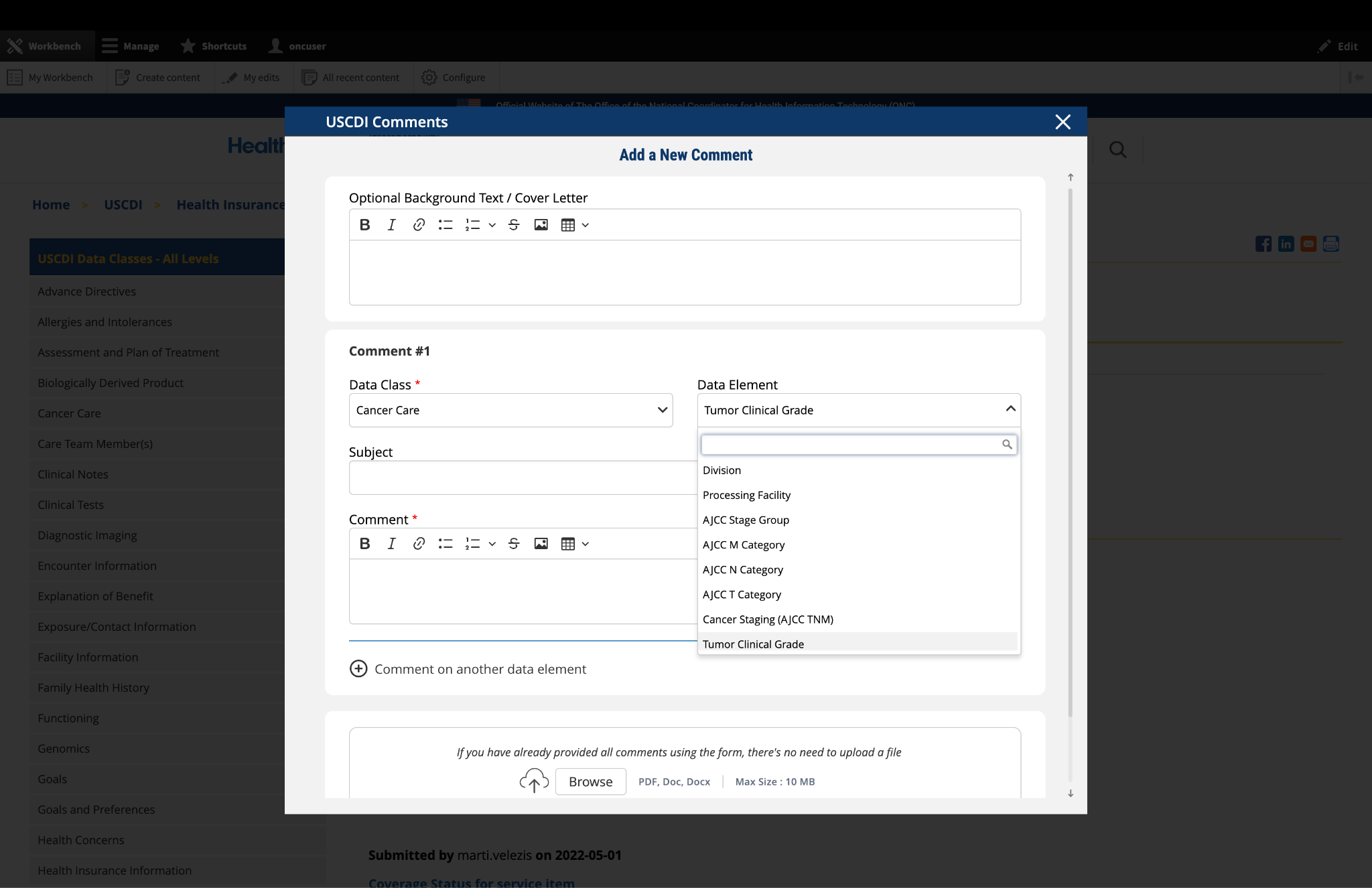
Fig 1 The "Data Class" and "Data Element" dropdown menus allow users to specify the exact content they wish to comment on.
If you cannot find the appropriate data class or element for your comment:
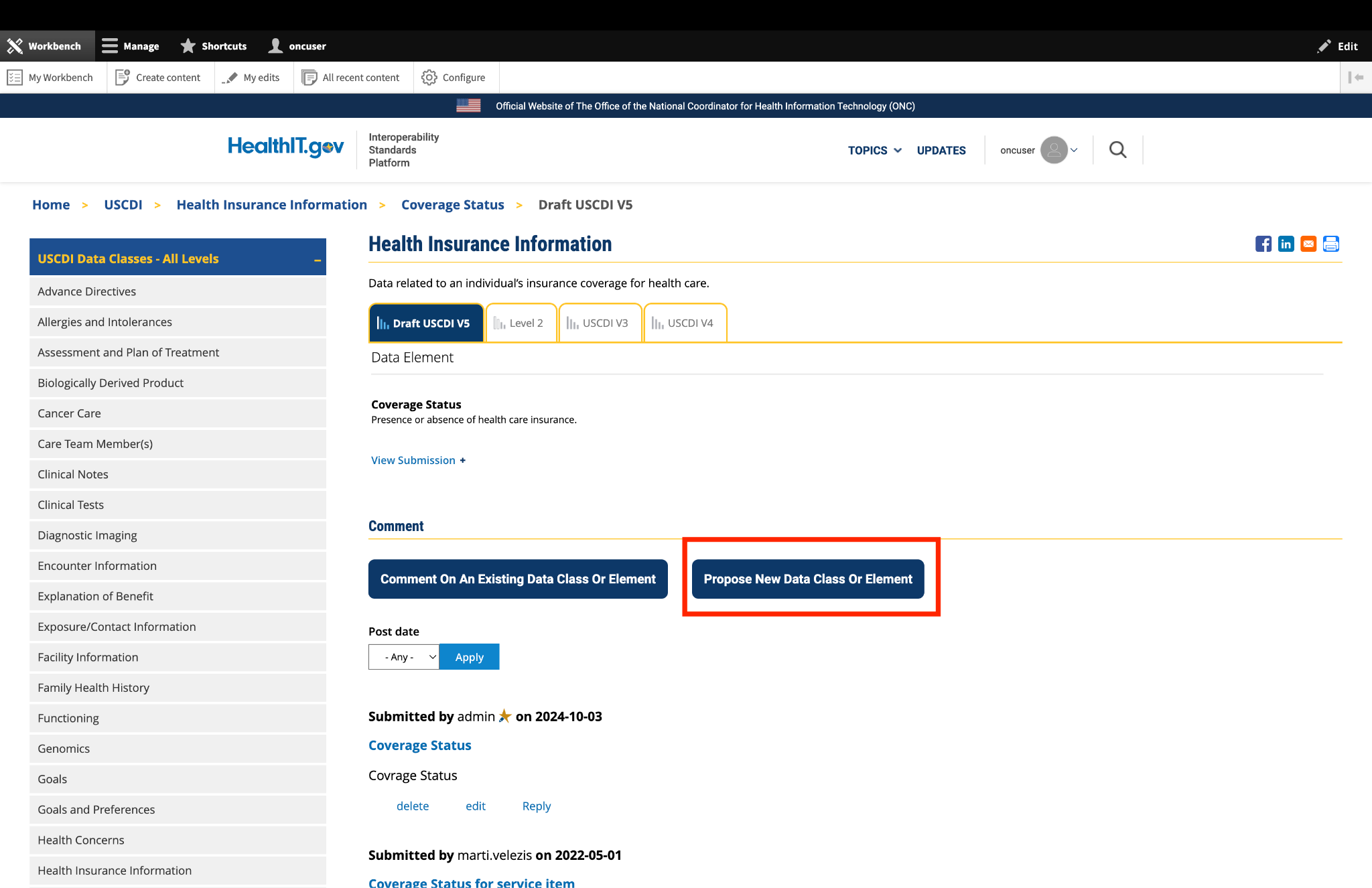
Fig 2 The "Propose a New Data Class or Data Element" button redirects users to the ONDEC Submission System for proposing new data elements not currently available in the system.
Fill out the required fields in the comment form:
Subject: Enter a brief, descriptive title that summarizes your comment. This helps reviewers quickly understand the nature of your feedback.
Comment: In this field, provide the full details of your comment or feedback. Be as clear and specific as possible about your suggestions, concerns, or observations. Include any relevant details that support your position.
If you need to comment on multiple data classes or elements:
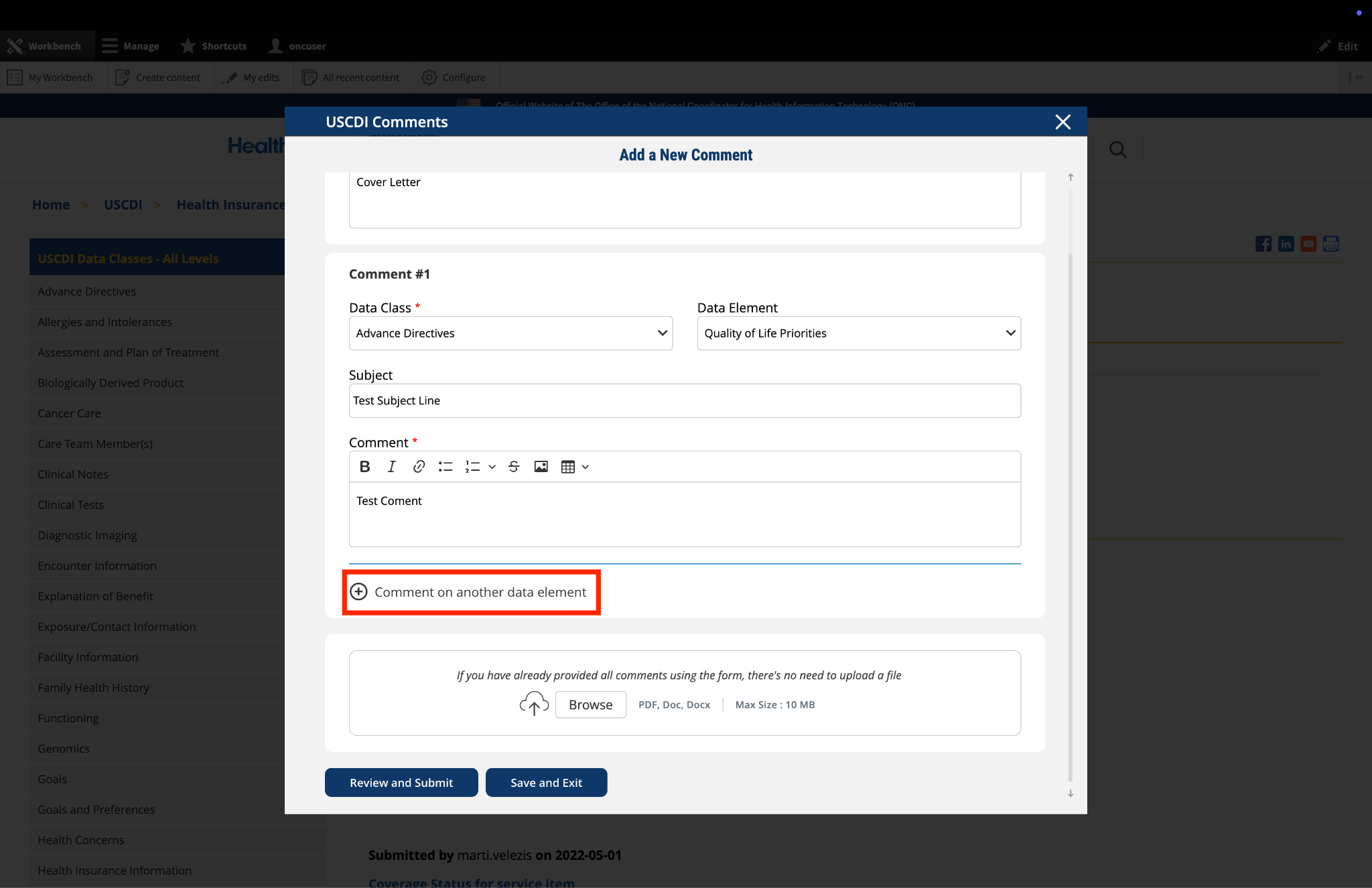
Fig 3 The "Comment on another data element" link enables users to create multiple comments addressing different elements within a single submission.
The platform allows you to upload supporting documentation to enhance your comment:
Important: If you have already entered your comments using the form fields, there is no need to upload duplicate content in PDF format. The file upload feature is intended for supplementary materials only. Please avoid uploading files that contain the same information already provided in your comment text.
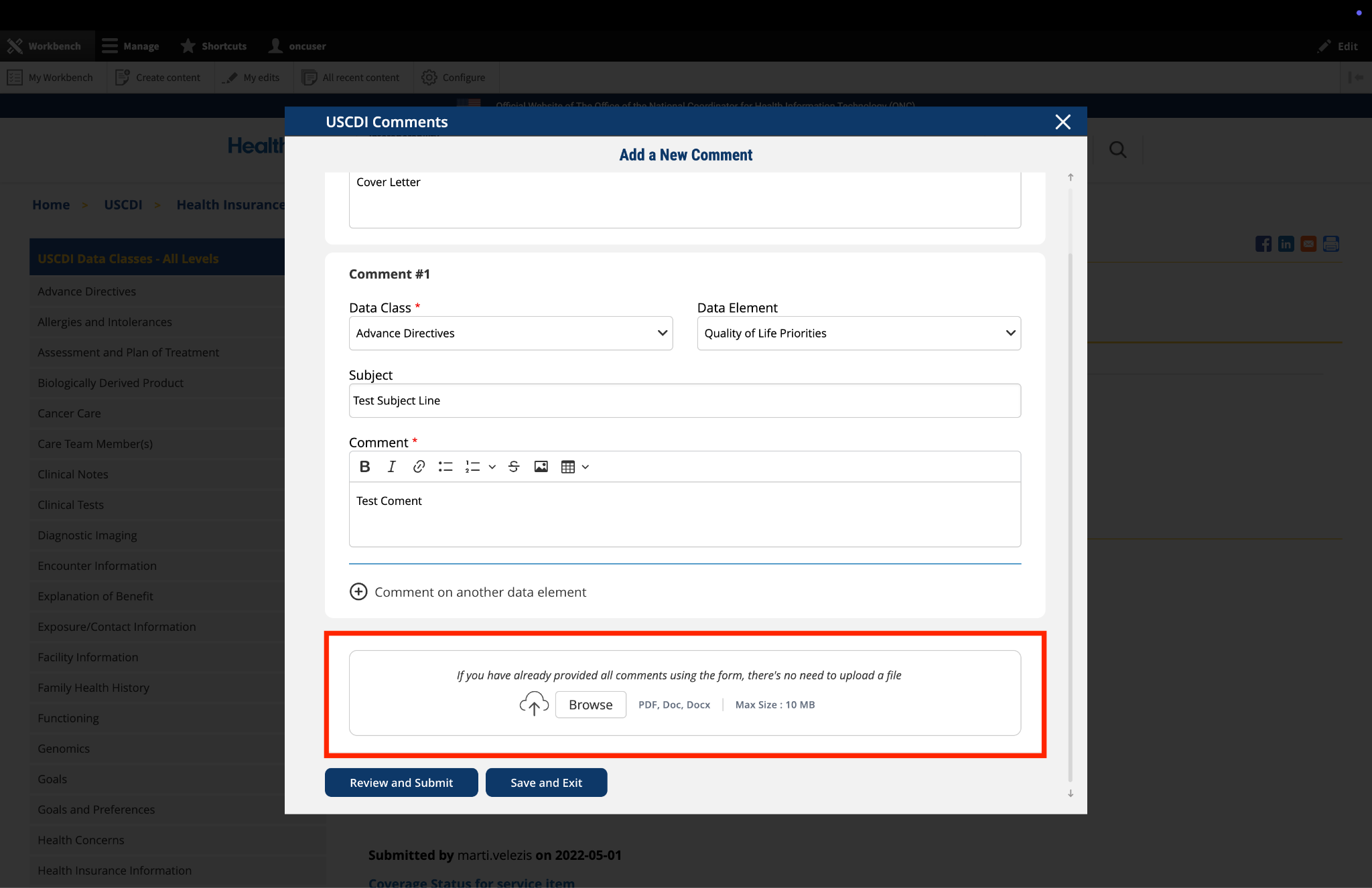
Fig 4 The "File Upload" section permits users to attach supporting documentation that supplements their written comments.
If you need to pause your work and return to complete your comment later:
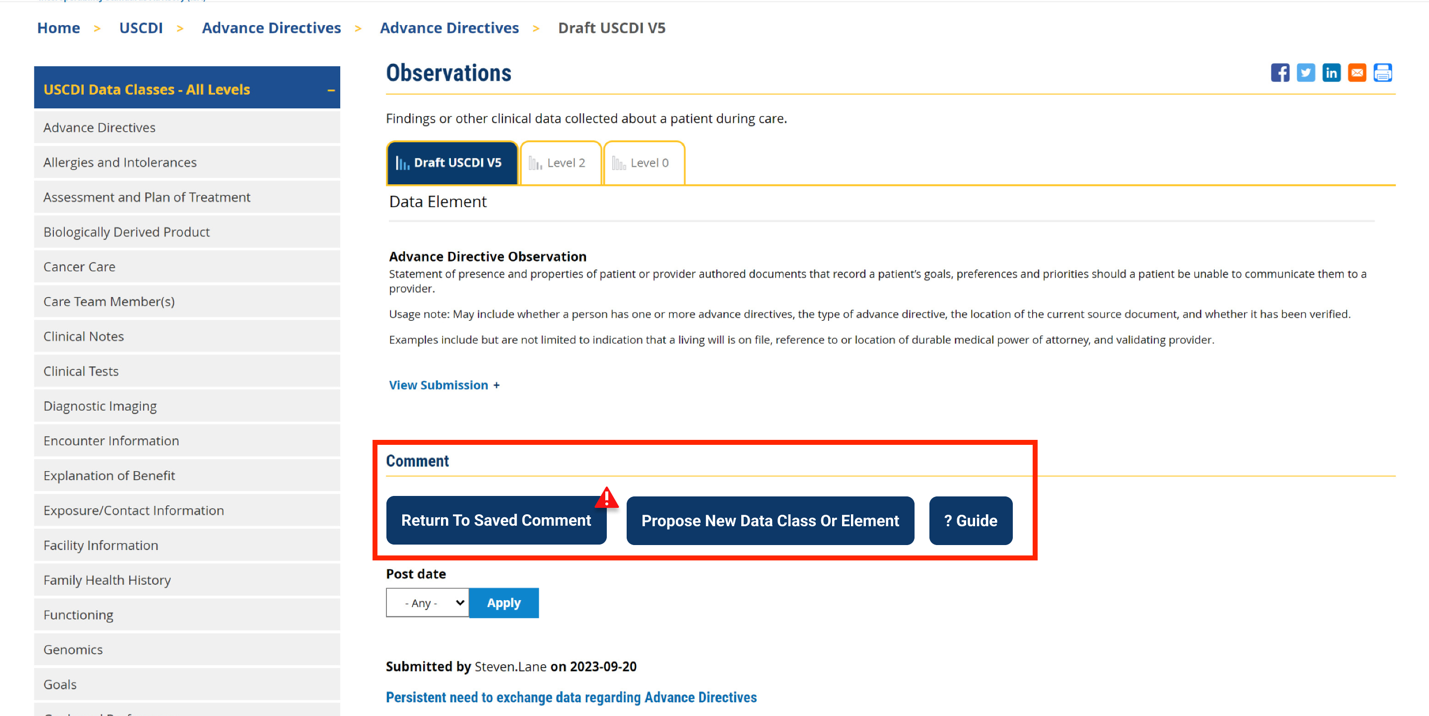
Fig 5 A red triangle with exclamation mark indicator appears next to the “Return to saved Comment” button when draft comments are saved in the system.
Once you have completed your comment:
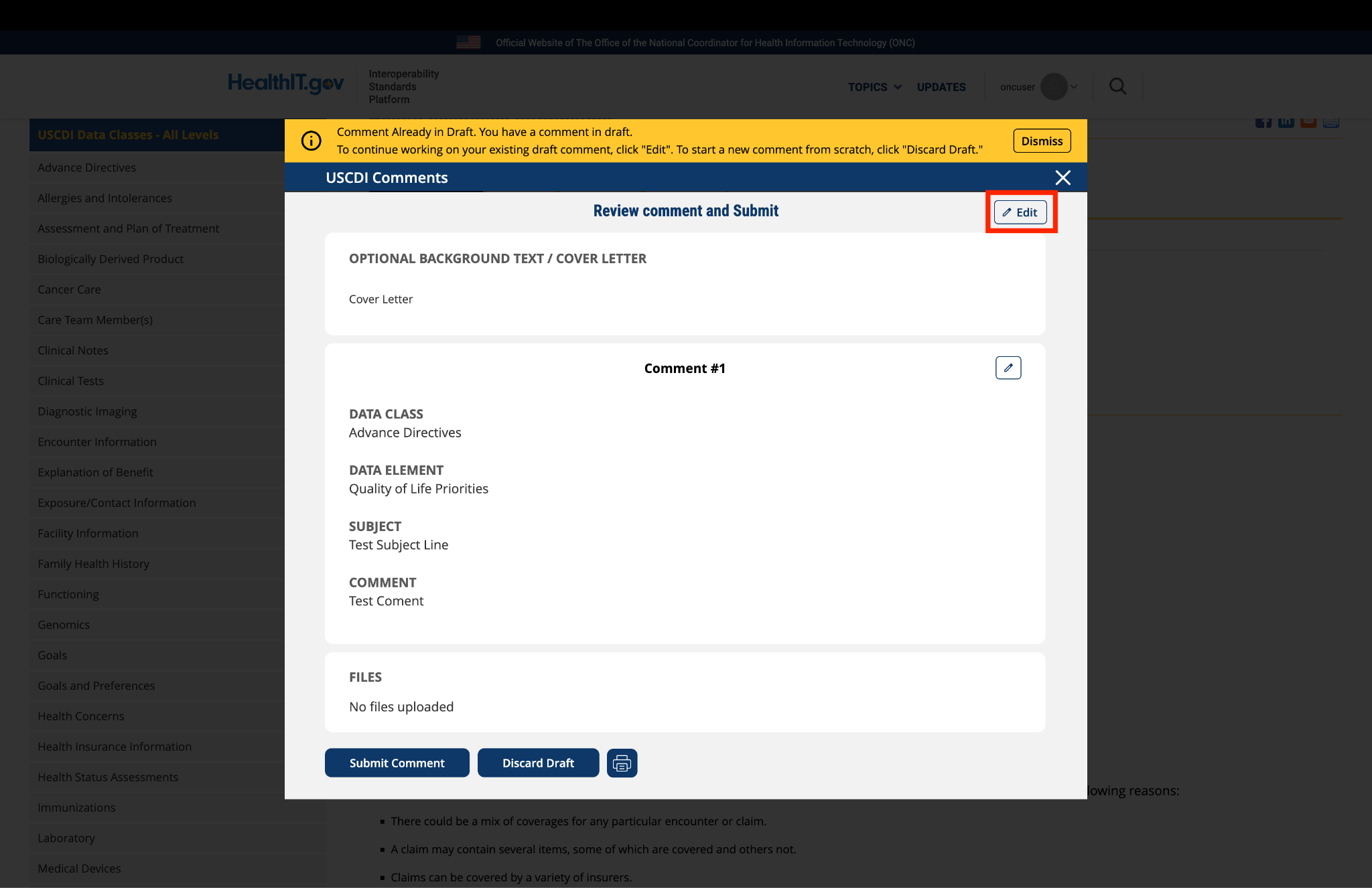
Fig 6 The review screen allows users to verify comment content and make any necessary modifications before final submission.
Submitted by BLampkins_CSTE on
Condition Status - CSTE Comment