Record of vaccine administration.

Data Element

Vaccination Event Record Type
Description

Indicates whether the vaccination event is based on a historical record (e.g., second hand knowledge of the vaccination event) or was administered at the facility submitting the data.

Comment

NUVA

The ONC should consider NUVA for representation of immunization data.

https://www.syadem.com/en/solutions/nuva


The below text is from the attached PDF from NUVA:

CORE COMPONENTS OF NUVA CATALOGUE

Commercial and generic vaccine names

Multilingual entries covering active, inactive, country-specific or historical vaccines

STRUCTURING

Decomposition of vaccines into valences

Linkage to diseases,valences and international/national codifications

Extended NUVA according to AMM dates, commercialisations and laboratories

PIVOT TERMINOLOGY

Intermediary layer for mapping across national coding systems (CIS/CIP, CVX...) and international (ATC, SNOMED CT...)

Enables seamless integration into electronic health records (EHRs), digital vaccine records(DVRs), immunisation registries, and VADES engines


NUVAUSE CASES

Harmonisation of vaccination records across borders or systems

Interoperability with Immunisation Information Systems (IIS)

Automatic enrichment of Digital Vaccination Records (DVRs)

Valence-driven interpretation in Vaccine Decision Support Systems (VADES)

Dashboards, coverage calculations, and logistical auditing

Search of vaccines by valency or target disease

Vaccination Event Record Type - CSTE Comment

CSTE supports the inclusion of Immunization Record Source or Vaccination Event Record Type in USCDI v7 and supports AIRA's comment re: clarifying definition and data element name.

CDC's comment for inclusion in USCDI v7

CDC recommends the inclusion of the "Vaccine Administration Event Record Type" element in USCDI v7, as it is a pivotal proposition aimed at improving the precision and uniformity with which immunization information is managed across various healthcare platforms. This element introduces a standardized method for documenting vaccine administration, i.e., vaccination, occurrences, for example, as part of a new immunization record or a historical immunization record, which is essential for achieving interoperability of data, a foundational aspect that supports thorough patient care and enhances safety measures. This “Vaccine Administration Event Record Type” element is a distinctly different key (taking on values such as “new immunization record” or “historical immunization record”) than the “Immunization Record Source” element in Draft USCDI v7 (https://isp.healthit.gov/taxonomy/term/1706/draft-uscdi-v7) (taking on values such as facility administering the immunization and an external record).

Integration of the "Vaccine Administration Event Record Type" into health records allows clinicians to precisely track immunization schedules, ensuring timely administration of vaccines according to established protocols. This uniformity is essential for optimizing patient outcomes and maintaining adherence to vaccination guidelines. Furthermore, this data element directly addresses the issue of duplicate vaccination records. By establishing a clear and consistent record type, it reduces the risks associated with incorrect vaccination dosing—critical for patient safety—and decreases the administrative burden of reconciling records.

From a public health standpoint, the "Vaccine Administration Event Record Type" is invaluable for effective disease surveillance and management. It facilitates real-time tracking of immunization trends within populations, enabling swift responses to public health emergencies. During mass immunization campaigns against diseases like influenza or COVID-19, a standardized record type streamlines reporting processes, minimizes errors, and informs equitable vaccine distribution based on precise community needs.

Additionally, this data element is foundational for research by providing high-quality data essential for assessing vaccine effectiveness and safety. Researchers can utilize this information to draw informed conclusions that influence future vaccine development and policymaking.

In summary, incorporating the "Vaccination Event Record Type" into USCDI v7 promises substantial improvements in healthcare quality through enhanced data precision and reliability. It strengthens public health surveillance systems and response mechanisms while prioritizing patient safety. Consequently, its inclusion is not merely beneficial but critical for advancing healthcare delivery and safeguarding public health at both individual and population levels.

CMS-CCSQ Supports Vaccination Event Record Type for USCDI v7

Recommendation:  CMS CCSQ recommends the Vaccination Event Record Type element be added to final USCDI v7.

Rationale:  The Vaccination Event Record Type data element provides critical information about whether a vaccination has ever been administered or reported. The current Immunizations data element is insufficient to identify whether the vaccination is based on the historical record or was administered at the facility submitting the vaccination record. By adding Vaccination Event Record Type for immunizations, ASTP can also ensure data elements necessary to determine whether vaccinations are current, and whether any vaccinations need to be administered. Since this information helps improve accuracy of vaccine reporting, it can benefit many existing CMS vaccination quality measures. It can already be exchanged via Health Level 7 International  (HL7) v2.5.1 Implementation Guide for Immunization Messaging and v2.8.2 Implementation Guide: Immunization Messaging, Release 1 - US Realm.

CDC's comment for proposed inclusion in USCDI v7

The inclusion of the “Vaccination Event Record Type” in USCDI v7 would represent a critical advancement toward enhancing the accuracy, consistency, and interoperability of immunization data across healthcare systems nationwide. This data element establishes a standardized framework for documenting vaccination events, which is essential for seamless data exchange, comprehensive patient care, and robust safety protocols.
By integrating the Vaccination Event Record Type into electronic health records and Immunization Information Systems, clinicians gain the ability to precisely track vaccine administration events, ensuring adherence to recommended immunization schedules and protocols. This uniformity not only optimizes individual patient outcomes but also mitigates risks associated with duplicate or incorrect dosing, thereby safeguarding patient safety and reducing the administrative burden of record reconciliation.
From a public health perspective, this standardized record type is indispensable for real-time disease surveillance and immunization management. It enables health authorities to monitor vaccination coverage and trends with greater accuracy, facilitating rapid and informed responses during public health emergencies such as influenza outbreaks or COVID-19 vaccination campaigns. Moreover, it supports equitable vaccine distribution by providing clear, actionable data on community immunization needs.
In addition to clinical and public health benefits, the Vaccination Event Record Type underpins high-quality research by delivering reliable data critical for evaluating vaccine effectiveness and safety. This evidence base informs vaccine development, policy decisions, and future immunization strategies.
In summary, incorporating the Vaccination Event Record Type into USCDI v7 will significantly elevate healthcare quality by enhancing data precision, interoperability, and patient safety. It strengthens public health infrastructure and empowers research, making its inclusion essential for advancing healthcare delivery and protecting population health at every level.

CDC's Comment for draft USCDI v6

Including "Vaccination Event Record Type" in USCDI v6 is a crucial step toward enhancing the accuracy and consistency of immunization data across healthcare platforms. This standardized method for documenting vaccinations is vital for achieving data interoperability, which underpins comprehensive patient care and safety.

By integrating this record type into health systems, clinicians can effectively monitor immunization schedules, ensuring timely vaccine administration according to established protocols. This uniformity optimizes patient outcomes, and addresses duplicate vaccination records, reducing risks associated with incorrect dosing and alleviating administrative burdens.

From a public health perspective, the "Vaccination Event Record Type" plays a key role in disease surveillance and management. It enables real-time tracking of immunization trends, facilitating rapid responses to public health emergencies. During mass vaccination campaigns for diseases like influenza or COVID-19, this standardized record streamlines reporting processes minimizes errors and supports equitable vaccine distribution based on community needs.

Moreover, this data element is essential for research by providing high-quality information for evaluating vaccine effectiveness and safety. Researchers can leverage this data to draw informed conclusions that shape future vaccine development and policy decisions.

In summary, incorporating the "Vaccination Event Record Type" into USCDI version 6 promises significant improvements in healthcare quality through enhanced data precision and reliability. It strengthens public health surveillance systems while prioritizing patient safety, making its inclusion critical for advancing healthcare delivery and safeguarding public health at individual and population levels.

CMS-CCSQ Supports Vaccination Event Record Type for USCDI v6

Recommendation: CMS CCSQ recommends the Vaccination Event Record Type element be added to final USCDI v6.

Rationale: The Vaccination Event Record Type data element provides critical information about whether a vaccination has ever been administered, planned, or reported. The current Immunizations data element is insufficient to identify whether the vaccination is based on the historical record or was administered at the facility submitting the vaccination record. By adding Vaccination Event Record Type for immunizations, ASTP can also ensure data elements necessary to determine whether vaccinations are current, and whether any vaccinations need to be administered. Since this information helps improve accuracy of vaccine reporting, it can benefit many existing CMS vaccination quality measures. It can already be exchanged via Health Level 7 International 7 (HL7) v2.5.1 and 2.8.2 IGs.

Vaccination Event Record Type

The inclusion of the "Vaccination Event Record Type" in USCDI v6 will improve the precision and uniformity with which immunization information is managed across various healthcare platforms. This element introduces a standardized method for documenting vaccination occurrences, which is essential for achieving interoperability of data—a foundational aspect that supports thorough patient care and enhances safety measures.

Integration of the "Vaccination Event Record Type" into health records allows clinicians to evaluate patient’s immunization histories more accurately, ensuring timely administration of vaccines according to established protocols. This uniformity is essential for optimizing patient outcomes and maintaining adherence to vaccination guidelines. By establishing a clear and consistent understanding if the vaccination was administered or historical, it can reduce the risks associated with incorrect vaccination dosing—critical for patient safety—and decreases the administrative burden of reconciling records.

From a public health standpoint, "Vaccination Event Record Type" is invaluable for effective disease surveillance and management. It facilitates tracking of immunization information within populations, enabling swift responses to public health emergencies. During mass immunization campaigns against diseases like influenza or COVID-19, a standardized record type streamlines reporting processes, minimizes errors, and informs equitable vaccine distribution based on precise community needs.

Additionally, this data element is foundational for research by providing high-quality data essential for assessing vaccine effectiveness and safety. Researchers can utilize this information to draw informed conclusions that influence future vaccine development and policymaking.

 In summary, incorporating "Vaccination Event Record Type" into USCDI version 6 promises substantial improvements in healthcare quality through enhanced data precision and reliability. It strengthens public health surveillance systems and response mechanisms while prioritizing patient safety. Consequently, its inclusion is not merely beneficial but critical for advancing healthcare delivery and safeguarding public health at both individual and population levels.

CSTE Comment - v6

CSTE supports inclusion of this data element in USCDI V6. Please see previously submitted CSTE comments for additional recommendations.

Log in or register to post comments

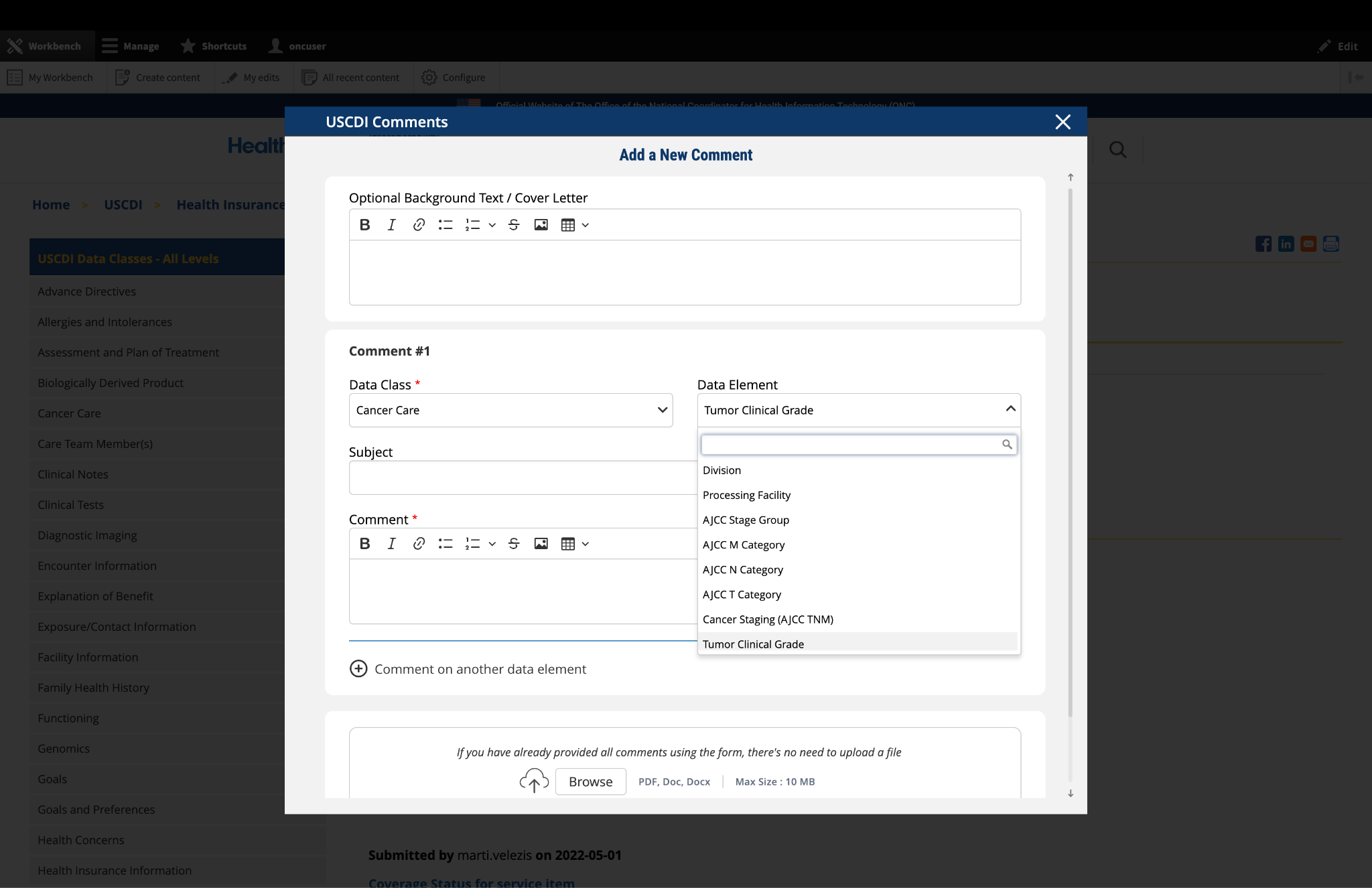
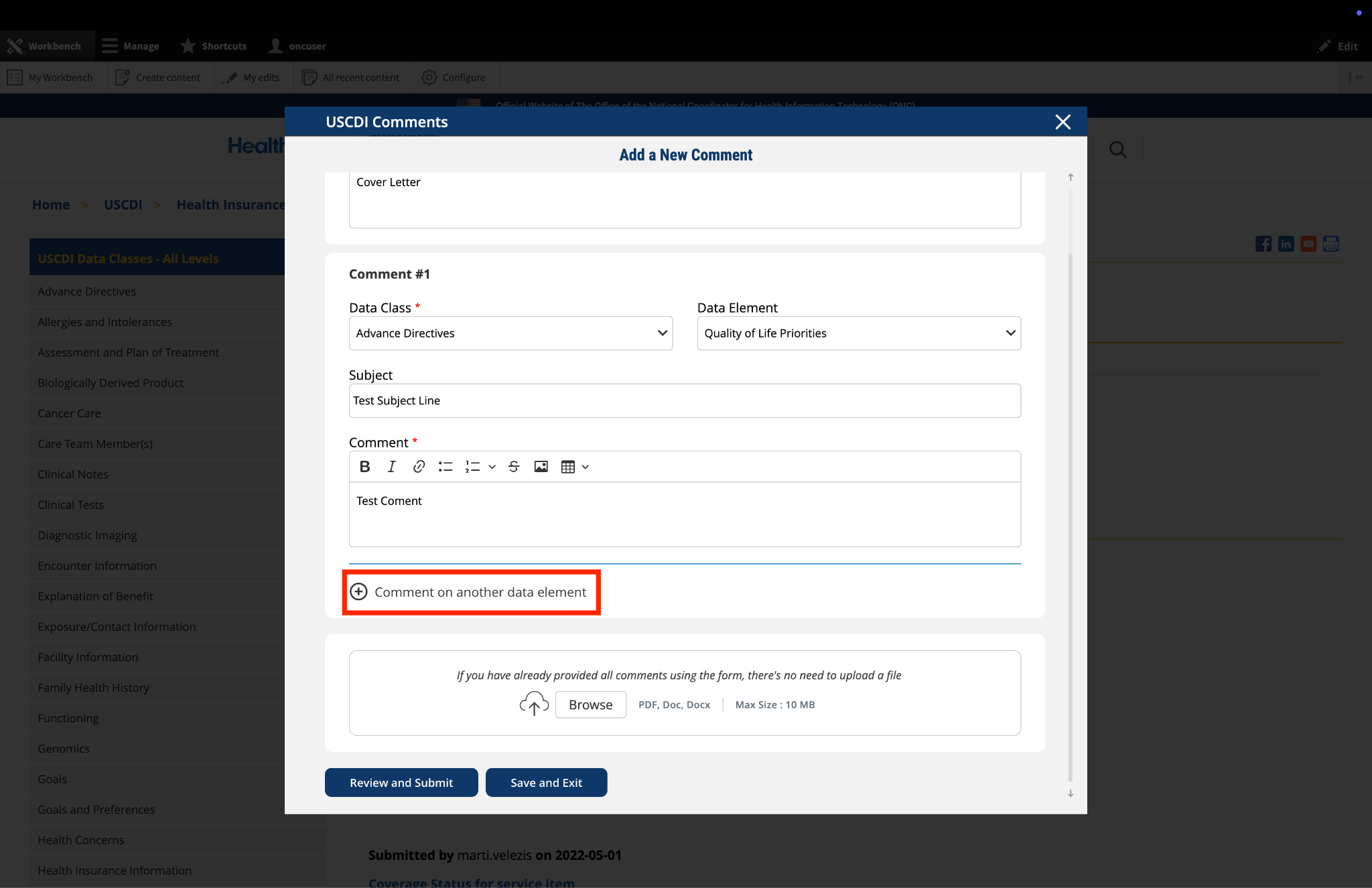
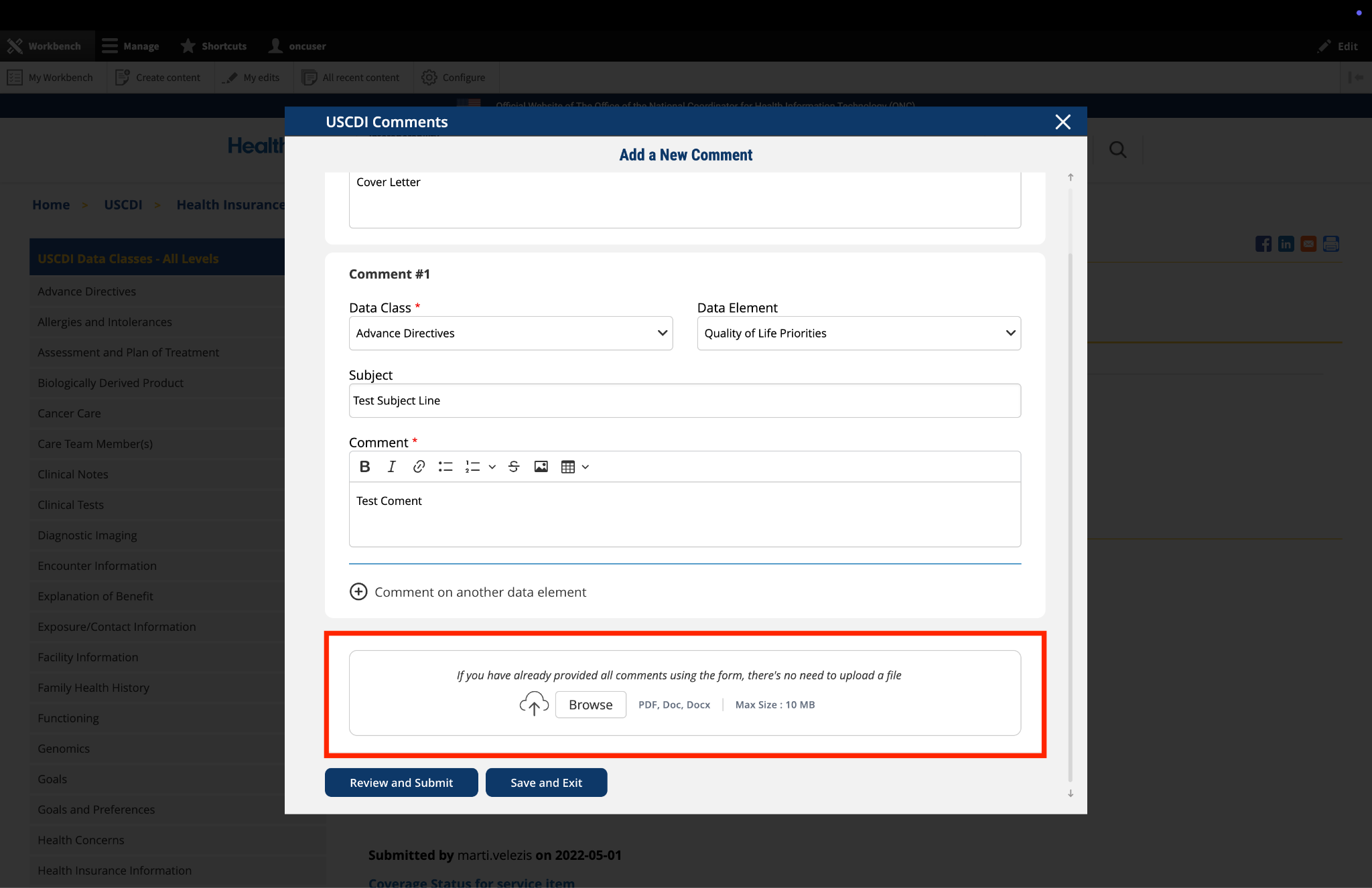
Add a New Comment

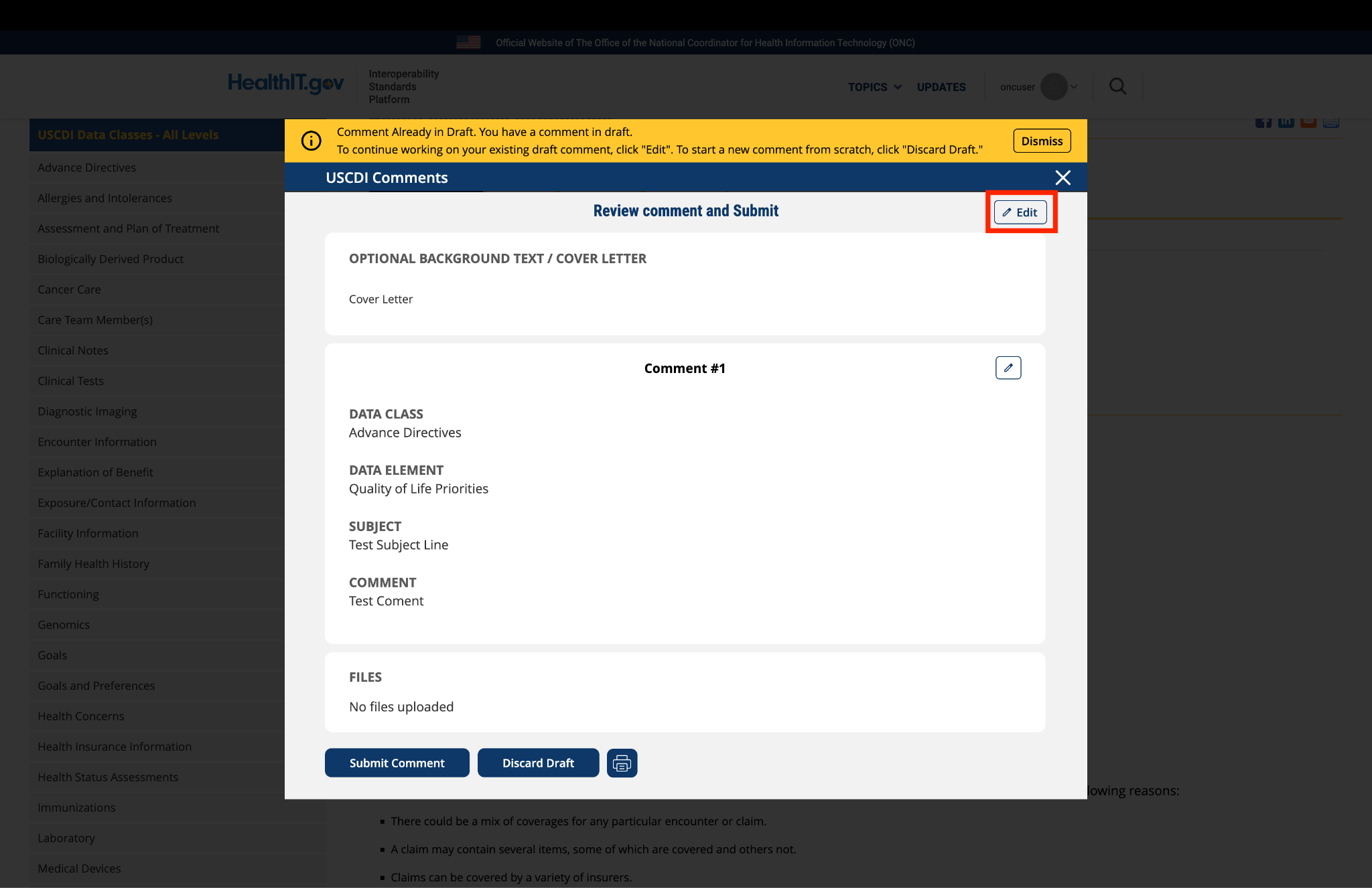
Review comment and Submit

Edit
Comment #1
PDF, Doc, Docx
Max Size : 10 MB