Data used to categorize individuals for identification, records matching, and other purposes.

Data Element

Medical Record Number
Description

The unique identifier assigned by the provider to reference a single patient

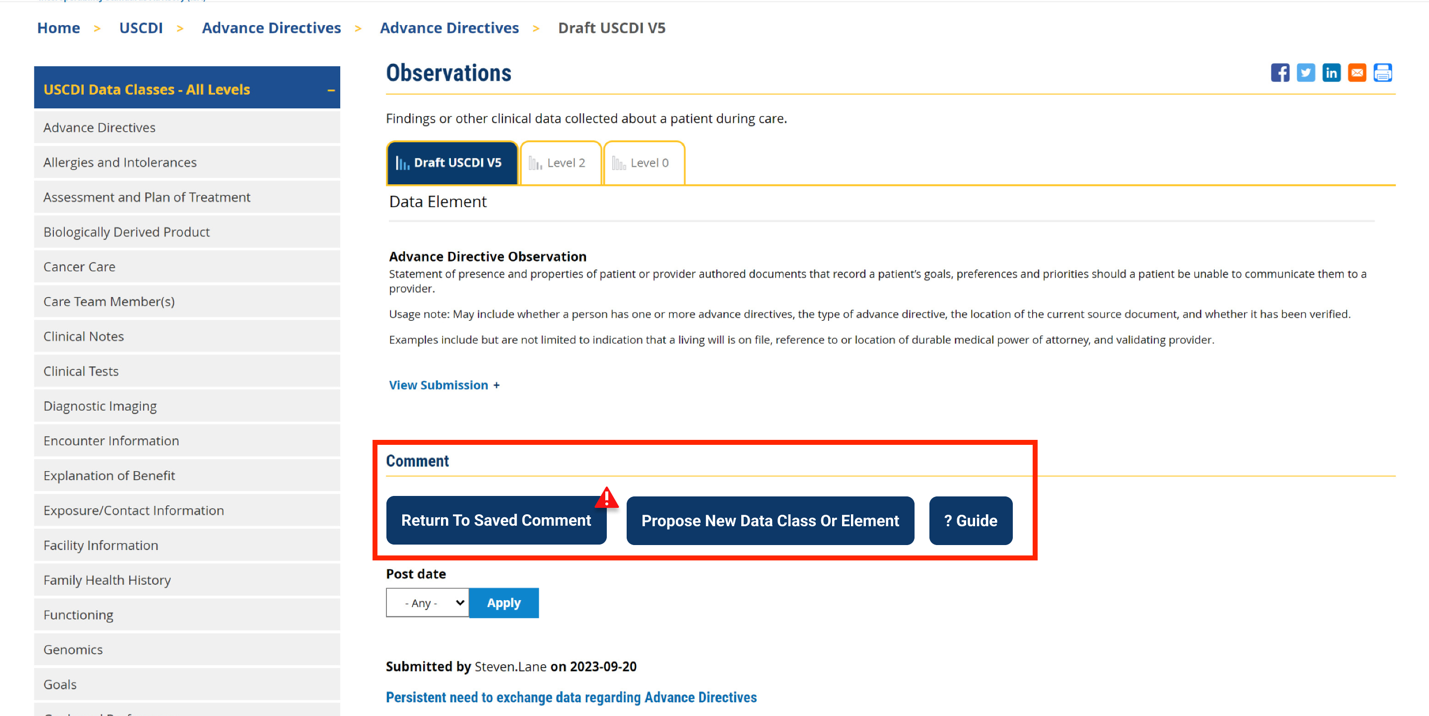
Comment

Medical Record Number - CSTE Comment

CSTE requests the inclusion of medical record number, which is a very important data element for public health, in USCDI v7 in one of two ways. The preference would be to include it in the Patient Identifier data element, with the associated metadata elements required - which would be Type of patient identifier AND Assigning authority for patient identifier. Transmission of this information to public health in both case and laboratory reports is important for the following reasons:
1. It is incredibly helpful for person deduplication which currently requires a huge amount of manual effort at STLT public health agencies to manage the many potential duplicates (even with the best algorithms and automation for patient deduplication, often health department staff spend countless hours deduplicating partially matched patient records).
2. It is critical for identifying patients for follow-up - as in when medical information is sought as part of a case investigation or when additional demographics or contact information are needed in order to quickly reach a patient, or when lab results are needed from a hospital.
3. For any type of automated or semi-automated query of an HIE or another clinical repository (as will hopefully be possible through TEFCA), MR number will be invaluable in narrowing the query and ensuring the returned results pertain to the correct individual - this will save an enormous amount of time and frustration,  as well as serve to protect patient privacy by reducing or eliminating records returned for a potential patient match. 
4. For any bidirectional data exchange it would be invaluable to the receiving health care org to be able to use medical record to route the data to the correct medical record.
CSTE also recommends adding the two additional variables mentioned above to go with the identifier data element - one is the assigning authority (e.g., for a medical record it would be the name of the health care facility using the medical record system) and the other is the type of identifier (e.g., medical record, laboratory patient identifier, SSN, etc.).

CDC's comment for inclusion in USCDI v7

CDC recommends inclusion of Medical Record Number in USCDI v7. The inclusion of a Medical Record Number (MRN) element where allowable given HIPAA and PII in USCDI v7 would strengthen patient identification and data linkage across healthcare systems, particularly for immunization tracking and public health reporting. The medical record number is an identifier that is unique to a patient within a set of medical records, not necessarily unique within an application.

MRNs are widely used across EHR systems as consistent, organization-level identifiers that support patient identification and record management. Furthermore, the MRNs are transmitted via messaging to IIS as part of the HL7 message exchange’s PID-3 field. Their inclusion in data exchange improves record accuracy, reduces duplicate records, and enhances overall data integrity.

Standardizing the representation and exchange of MRN would improve interoperability between healthcare providers and public health systems, including IIS. This would support more accurate monitoring of immunization coverage, identification of under-vaccinated populations, and more effective responses to outbreaks and vaccination campaigns.

We strongly support the inclusion of Medical Record Number in USCDI v7, with clear guidance on standardized capture and exchange to ensure consistent and reliable use across systems.
CDC's comment for inclusion in USCDI v7

a. An important goal of the National Health Care Surveys’ data modernization effort is to reduce redundancy and reporting burden. To that end, the National Health Care Surveys are collaborating with other programs to repurpose data that is already being collected from ambulatory and hospital-based settings. This requires linking to other existing data sets using unique IDs such as MRN, etc. National Hospital Care Survey and National Ambulatory Medical Care Survey (NAMCS) both conduct data linkages to other datasets (e.g. National Death Index, the U.S. Department of Housing and Urban Development, etc.). The more unique IDs we have access to, the more accurate and reliable the matching process will be resulting in improved data quality available for decision making. Having these unique IDs will also be critical as the National Health Care Surveys explore leveraging the TEFCA framework to facilitate interoperability with QHINS which require patient and organizational matching across the complex health care ecosystem. In summary, having critical IDs results in overall cost savings in the health care and public health ecosystem while potentially improving patient outcomes.

b. Location of data element in the current HCS CDA IG V1.2: x-path /ClinicalDocument/recordTarget/patientRole/patient/id)

c. This data element is in C-CDA 4.0. Link in the C-CDA IG- https://hl7.org/cda/us/ccda/StructureDefinition-USRealmHeader.html

d. Description of what DHCS currently receives in production: All EHR files submitted to NHCS lack medical record number (MRN).

CDC's comment for proposed inclusion in USCDI v7

 National Hospital Care Survey (NHCS) and National Ambulatory Medical Care Survey (NAMCS) both conduct data linkages to other datasets (e.g. National Death Index, the U.S. Department of Housing and Urban Development, etc.) and publish them as restricted use data files. This data element will increase the ability to track unique patients, improving accuracy and quality in these produced datasets.

Location of data element in the current HCS CDA IG V1.2: x-path /ClinicalDocument/recordTarget/patientRole/patient/id)

This data element is in C-CDA 4.0. Link in the C-CDA IG- https://hl7.org/cda/us/ccda/StructureDefinition-USRealmHeader.html

Description of what DHCS currently receives in production: All EHR files submitted to NHCS lack medical record number (MRN).

CDC's Comment for draft USCDI v6

The integration of the "Medical Record Number" as a standardized data element in USCDI v6 is essential for bolstering public health efforts, particularly in the realm of immunization. As a unique identifier, it ensures that vaccination records are accurately matched to individual patients, which is crucial for effective immunization programs.

Standardizing the Medical Record Number enhances the ability of public health authorities to monitor immunization coverage, assess vaccine effectiveness, and identify pockets of under-vaccinated populations. This capability is especially important for coordinating responses to vaccine-preventable disease outbreaks and managing mass vaccination campaigns during pandemics.

Furthermore, precise patient matching enabled by a consistent Medical Record Number helps prevent duplicate immunization records and ensures that individuals receive vaccines according to recommended schedules. It also facilitates accurate reporting to immunization information systems (IIS), supporting real-time public health decision-making and resource allocation.

Inclusion of the "Medical Record Number" in USCDI v6 promises to significantly improve the accuracy of patient identification for immunizations, thereby enhancing public health surveillance capabilities and ensuring successful implementation of national immunization strategies. Urgent consideration for this inclusion is recommended to strengthen overall public health initiatives.

CDC's Comment for draft USCDI v6

The integration of the "Medical Record Number" as a standardized data element in USCDI v6 is essential for bolstering public health efforts, particularly in the realm of immunization. As a unique identifier, it ensures that vaccination records are accurately matched to individual patients, which is crucial for effective immunization programs.

Standardizing the Medical Record Number enhances the ability of public health authorities to monitor immunization coverage, assess vaccine effectiveness, and identify pockets of under-vaccinated populations. This capability is especially important for coordinating responses to vaccine-preventable disease outbreaks and managing mass vaccination campaigns during pandemics.

Furthermore, precise patient matching enabled by a consistent Medical Record Number helps prevent duplicate immunization records and ensures that individuals receive vaccines according to recommended schedules. It also facilitates accurate reporting to immunization information systems (IIS), supporting real-time public health decision-making and resource allocation.

Inclusion of the "Medical Record Number" in USCDI v6 promises to significantly improve the accuracy of patient identification for immunizations, thereby enhancing public health surveillance capabilities and ensuring successful implementation of national immunization strategies. Urgent consideration for this inclusion is recommended to strengthen overall public health initiatives.

Medical Record Number

The integration of the "Medical Record Number" as a standardized data element in USCDI v6 is essential for bolstering public health efforts, particularly in the realm of immunization. As a unique identifier, it ensures that vaccination records are accurately matched to individual patients, which is crucial for effective immunization programs.

Standardizing the Medical Record Number enhances the ability of public health authorities to monitor immunization coverage, assess vaccine effectiveness, and identify pockets of under-vaccinated populations. This is especially important in coordinating responses to vaccine-preventable disease outbreaks and managing mass vaccination campaigns during pandemics.

Furthermore, precise patient matching enabled by a consistent Medical Record Number helps prevent duplicate immunization records and ensures that individuals receive vaccines according to recommended schedules. It also facilitates accurate reporting to immunization information systems (IIS), supporting real-time public health decision-making and resource allocation.

CDC strongly supports the inclusion of the "Medical Record Number" in USCDI v6 as it promises to significantly improve the accuracy of patient identification for immunizations, thereby enhancing public health surveillance capabilities and ensuring successful implementation of national immunization strategies.

CSTE Comment - v6

CSTE supports inclusion of this data element in USCDI V6. Please see previously submitted CSTE comments for additional recommendations.

APHL points out that this is…

APHL points out that this is called out as one type of unique patient identifier in CLIA 42 CFR 493.1241(d) = "The patient's chart or medical record may be used as the test requisition or authorization but must be available to the laboratory at the time of testing and available to CMS or a CMS agent upon request." (https://www.ecfr.gov/current/title-42/part-493/section-493.1241#p-493.1241(d))
APHL supports the comment to elevate to the next version as submitted by CSTE in April 2024 "CSTE Comment - v5" (https://www.healthit.gov/isp/comment/13957) - this is a critical data element for matching records. APHL also recommends to include the assigning authority with ANY identifier data element (in all HL7 products this is part of the various supported identifier type data type). Thus we propose to update the definition to: "Alphanumeric value that uniquely identifies the patient's health record over time - at minimum within one organization, ideally at the national level), including a means to identify the organization or system that assigned it."
If ONC wants to support generic identifiers, then the elements should also include the identifier type Patient Identifier Type (https://www.healthit.gov/isp/taxonomy/term/3661/level-2), to be able to differentiate what is being shared.

Data element is captured, stored, or accessed in multiple production EHRs or other HIT modules from more than one developer.
Data element is electronically exchanged between more than two production EHRs or other HIT modules of different developers using available interoperability standards.

CSTE Comment - v5

CSTE requests the inclusion of medical record number, which is a very important data element for public health, in USCDI v5 in one of two ways. The preference would be to include it in the Patient Identifier data element, with the associated metadata elements required - which would be Type of patient identifier AND Assigning authority for patient identifier. Transmission of this information to public health in both case and laboratory reports is important for the following reasons:


1. It is incredibly helpful for person deduplication which currently requires a huge amount of manual effort at STLT public health agencies to manage the many potential duplicates (even with the best algorithms and automation for patient deduplication, often health department staff spend countless hours deduplicating partially matched patient records).
2. It is critical for identifying patients for follow-up - as in when medical information is sought as part of a case investigation or when additional demographics or contact information are needed in order to quickly reach a patient, or when lab results are needed from a hospital.
3. For any type of automated or semi-automated query of an HIE or another clinical repository (as will hopefully be possible through TEFCA), MR number will be invaluable in narrowing the query and ensuring the returned results pertain to the correct individual - this will save an enormous amount of time and frustration
4. For any bidirectional data exchange it would be invaluable to the receiving health care org to be able to use medical record to route the data to the correct medical record.


CSTE also recommends adding the two additional variables mentioned above to go with the identifier data element - one is the assigning authority (e.g., for a medical record it would be the name of the health care facility using the medical record system) and the other is the type of identifier (e.g., medical record, laboratory patient identifier, SSN, etc.)

Log in or register to post comments

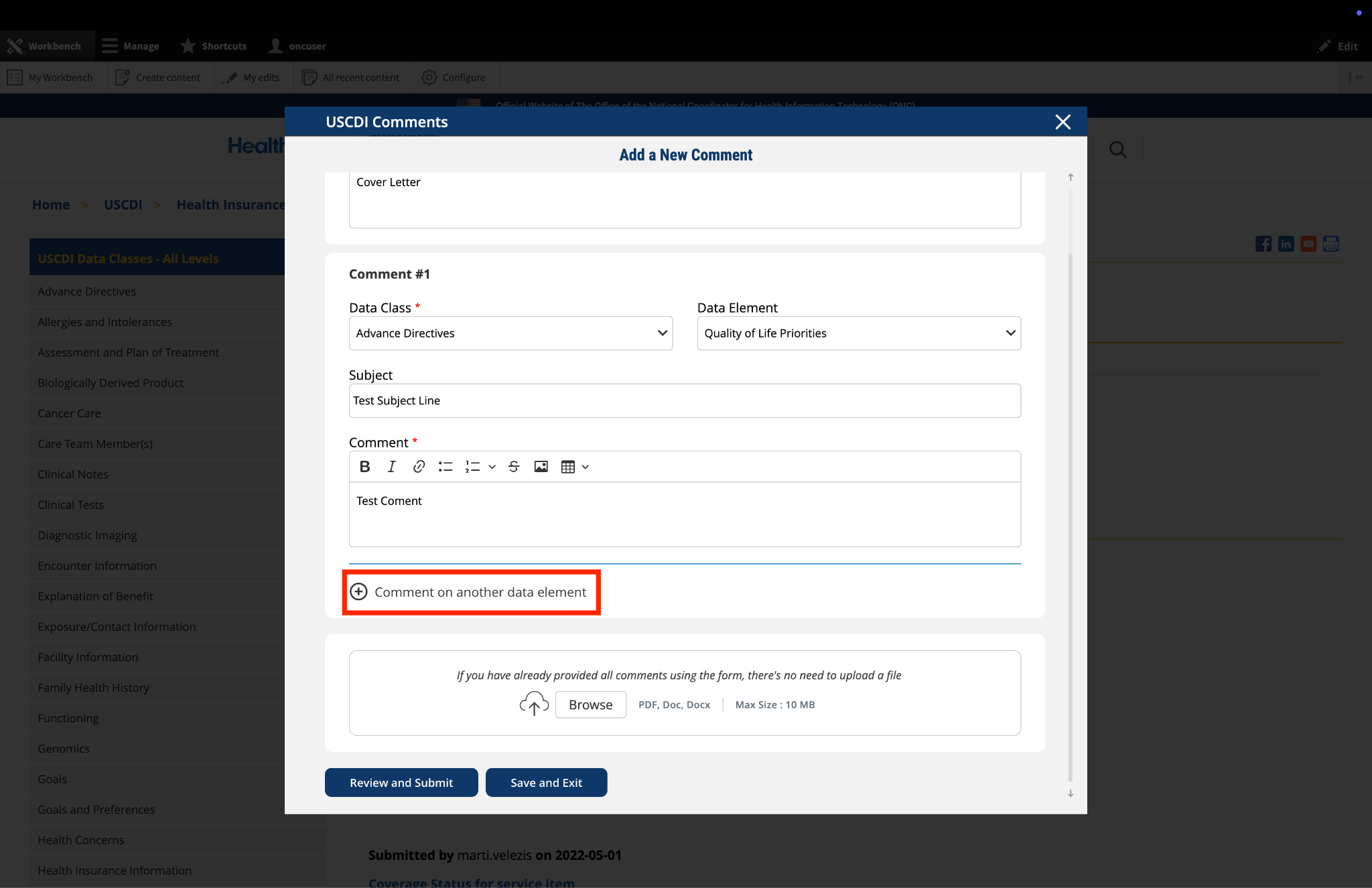
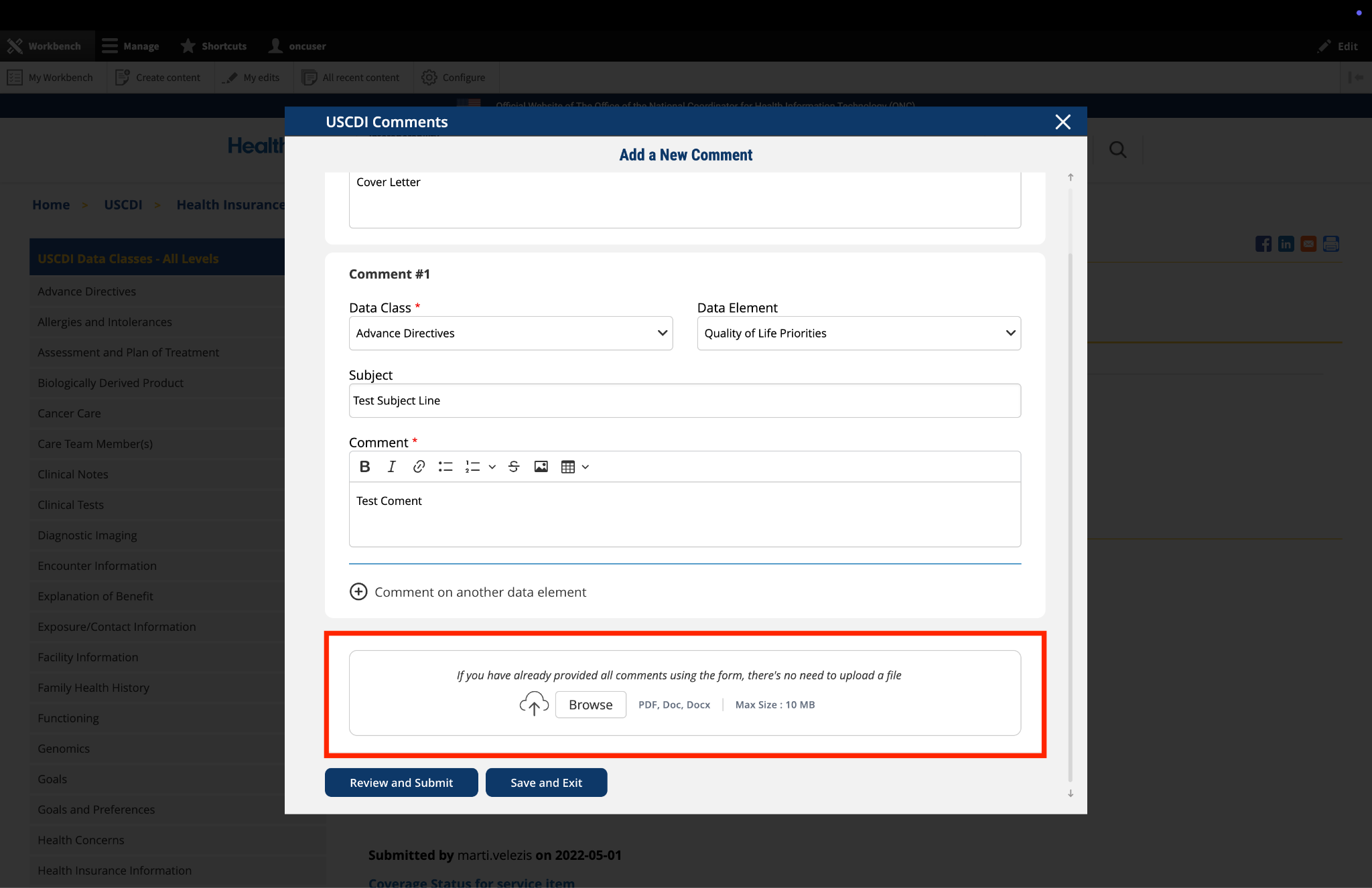
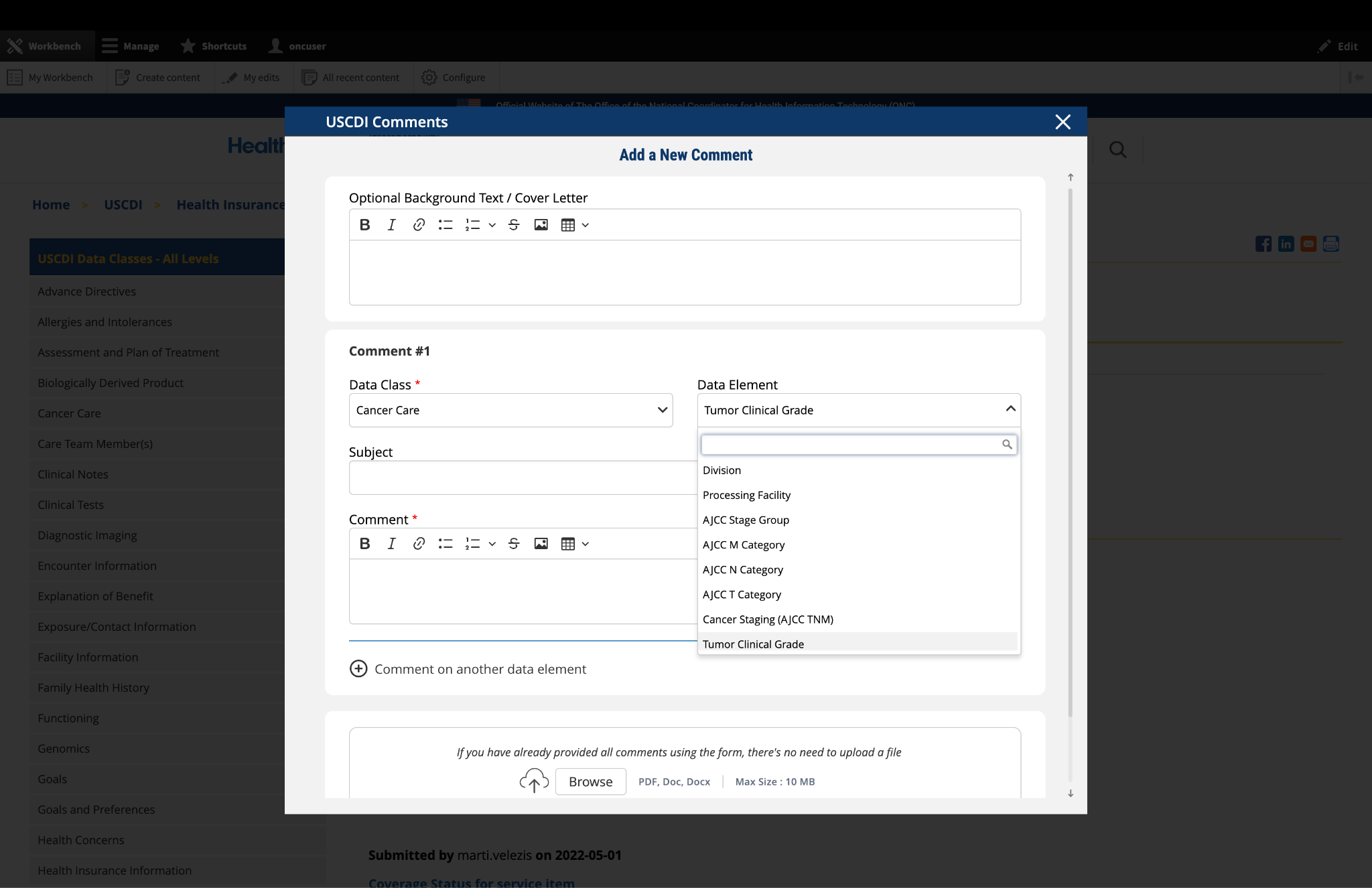
Add a New Comment

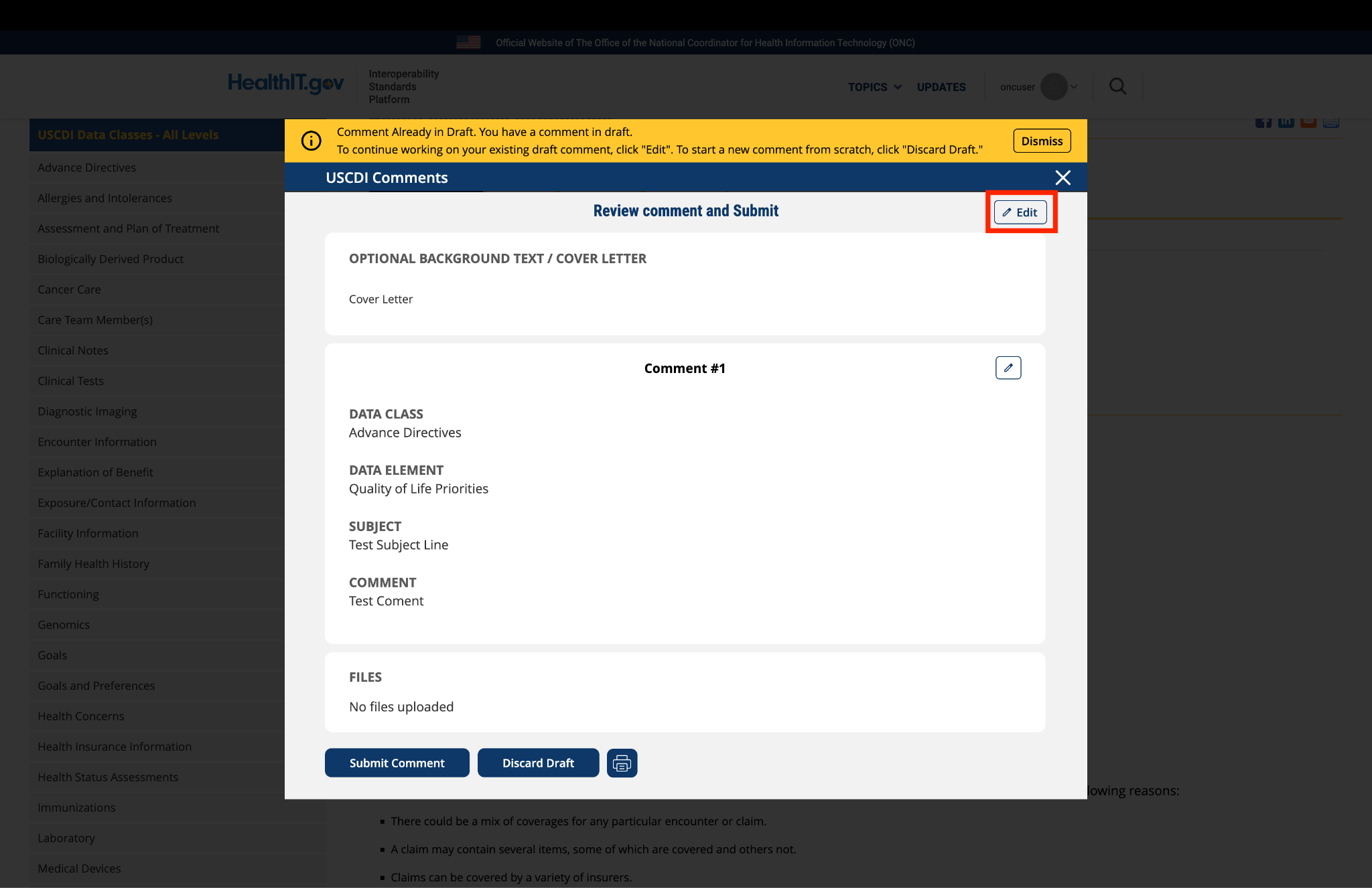
Review comment and Submit

Edit
Comment #1
PDF, Doc, Docx
Max Size : 10 MB