Data used to categorize individuals for identification, records matching, and other purposes.

Data Element

Medical Record Number
Description

The unique identifier assigned by the provider to reference a single patient

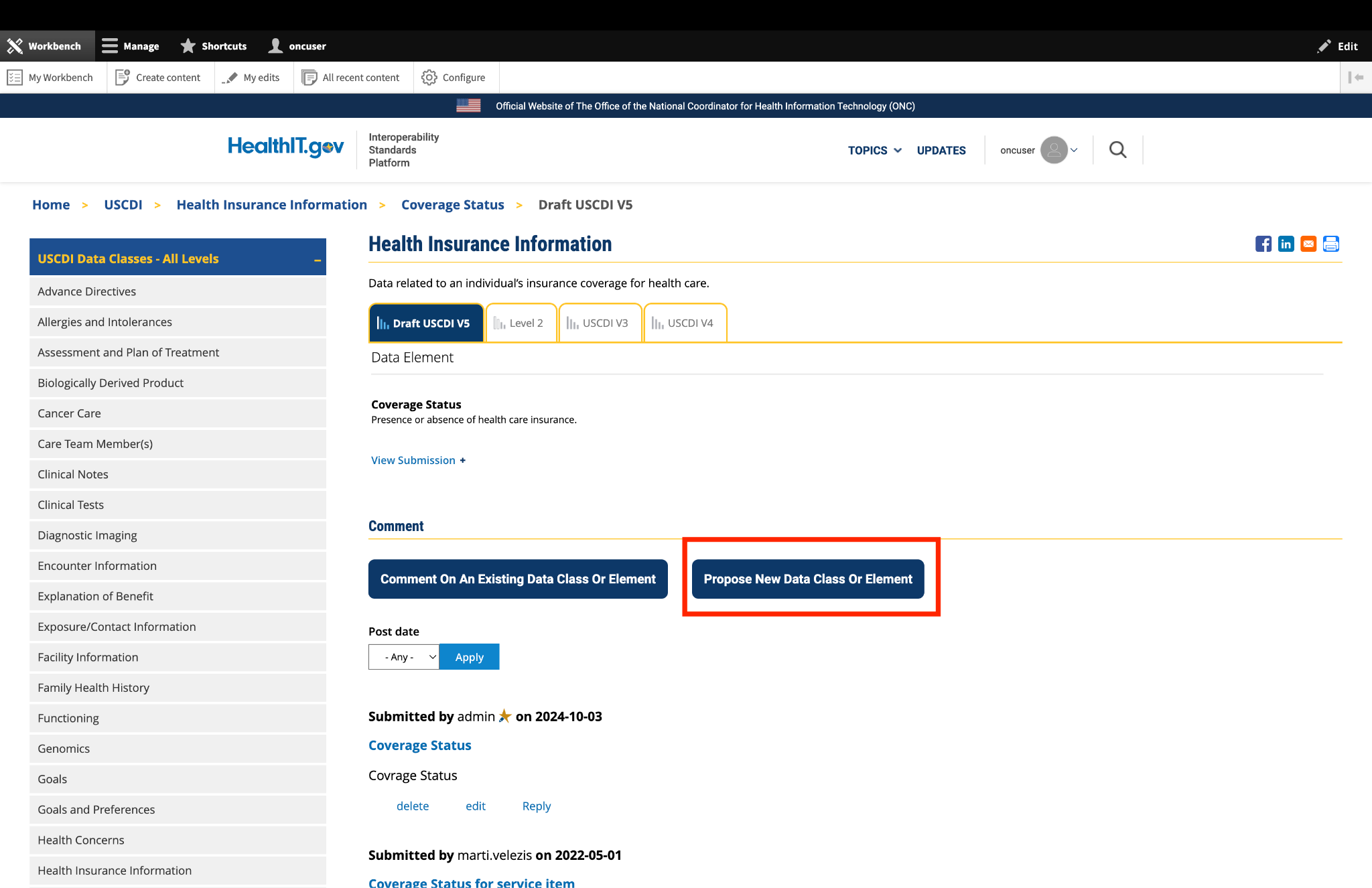
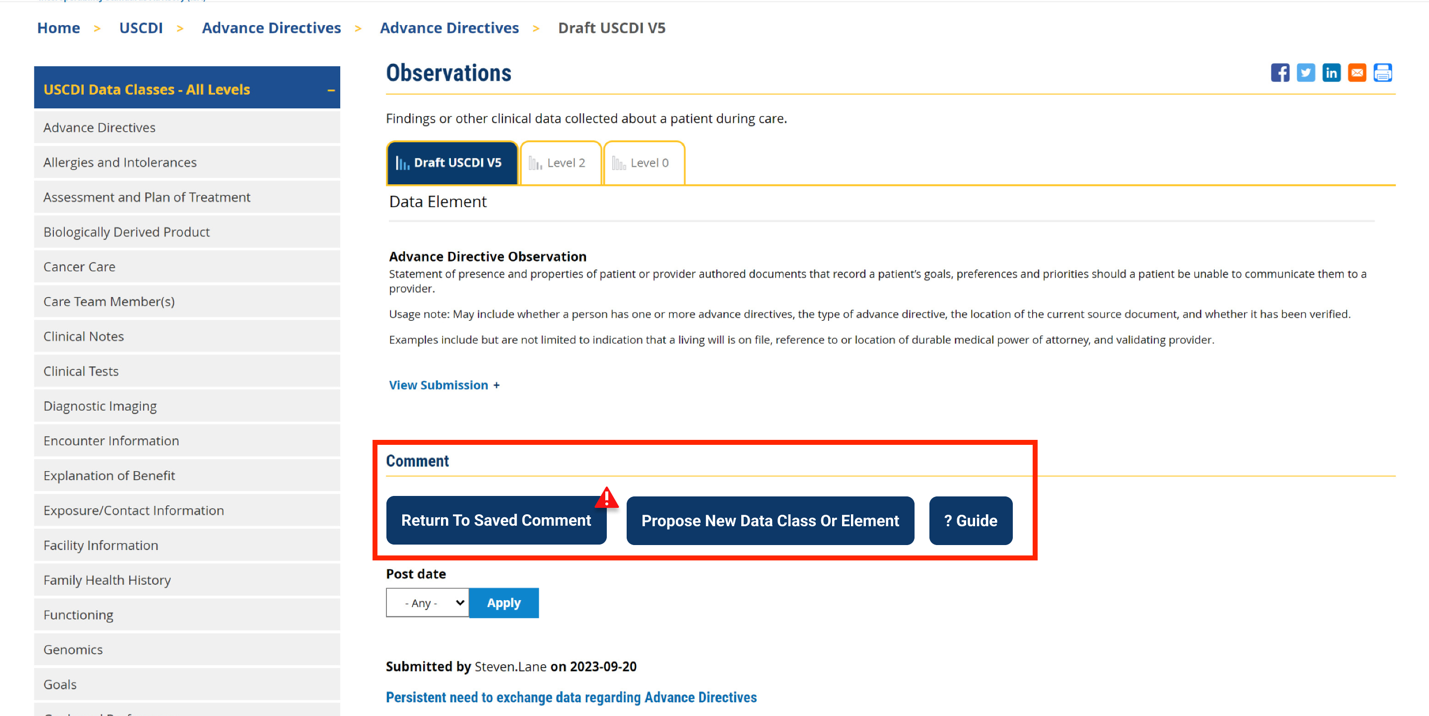
Comment

CDC's Comment for draft USCDI v5

CDC supports the inclusion of this data element in USCDI v5 as it is an element that may be necessary for calculation of our digital quality metrics from FHIR data.

CDC's comment on behalf of NACCHO for USCDI v5

Support - LHDs will also be able to use this to attribute encounter level information to a person-level, which is what is used for prevention analysis and program creation.
Having this element and the "identifier" element is going to be confusing for LHDs who will receive this data. There needs to be clarification made between the two and what their use cases are. Right now, they are not very clear in their submissions.

CDC's Consolidated Comment for USCDI v5

  • Including the "Medical Record Number" as a standardized data element in the v5 USCDI is a critical step toward ensuring precise and reliable patient identification within the healthcare system. Serving as a unique identifier, the Medical Record Number is a cornerstone for patient-centric care. It enables healthcare providers to accurately match patients with their health information across various points of care. This becomes increasingly significant in a complex and interconnected healthcare landscape, where patients often engage with multiple providers across different facilities and systems. By utilizing a standardized Medical Record Number as a common thread linking a patient's encounters and health data, healthcare providers are better positioned to access consolidated and comprehensive medical records. This, in turn, supports informed clinical decision-making based on a complete view of the patient's history, current conditions, and previous treatments. Moreover, the use of the Medical Record Number as a standardized identifier is instrumental in reducing errors related to patient identification—a critical factor in patient safety. Misidentification errors can lead to severe consequences, including incorrect diagnoses, inappropriate treatments, and unnecessary procedures, all of which are avoidable with precise identification methods. The implementation of the "Medical Record Number" in the USCDI v5 would mark a significant advancement towards a more integrated, efficient, and safe healthcare system. We strongly advocate for the inclusion of the "Medical Record Number" data element in the USCDI v5 due to its potential to fundamentally enhance patient identification processes, significantly reduce the occurrence of identification errors, and ensure that healthcare providers have immediate and reliable access to complete and consolidated patient medical records.
  • CSTE Comment: CSTE strongly agrees with CDC's recommendation for this data element. 

CDC's comment on behalf of CSTE

Medical record number (Level 2); CSTE strongly recommends that medical record number be moved into USCDI v3. This element is critical to include in eCR and ELR and is used heavily for person matching and deduplication as well as when requesting additional clinical information on a case of reportable disease.

Unified Comment from CDC

  • NOTE - This comment supports the promotion of the Data Class Patient Demographics - Data Element Identifier to USCDI V3 as well as the additional Data Element of Identifier System, including the allowance of multiple instances of Identifier/ Identifier System per patient. We believe that this will allow needed flexibility to accommodate use and exchange of the variety of patient identifiers in current use in the US. An example of this approaches is: Identifier: 3A456B789, Identifier System: http://AcmeHealth//fhir/id/MRN.  If ONC does not choose to incorporate this approach (Identifier + Identifier) in USCDI V3, we recommend allowing for the following Patient Demographic Data Class Data Elements in USCDI V3: Medicare Patient Identifier, Medical Record Number and Social Security Number. In the event that Social Security Number is not included in USCDI V3 as a supported Patient Demographic Identifier, the use of Medical Record Number will be critical to accurately identify patients to provide appropriate patient care and complete public health surveillance.
     
  • General Comment: Medical Record Number is a ubiquitous patient identifier in most healthcare organizations in the US and in the EHR and HIT systems that support those organizations. This data element is requested by and exchanged with ancillary systems within an organization, business partners outside of the organization, public health, research projects and other use cases as a primary or secondary means to positively identify patients. 

Specific Identifier(s) or general Identifier?

MedMorph supports the addition of Medical Record Number, but is concerned with having a general Identifier element (level 2) as well as Medicare Patient Identifier (level 2), and Patient Social Security Number (level 1). What is the intention of Identifier - is it a placeholder for a national identifier of some sort for a patient? We recommend that USCDI either take a general approach with Identifier Type, Identifier System, and Identifier Value OR be specific with Medical Record Number, Medicare Patient Identifier and Social Security Number elements (and remove the Identifier element).

Recommendations for Updated Submission

We've reviewed and submitted comments in regards to the submission for Patient Medical Record Number and stand to see that we have slightly differing data element submissions, though this was the previous submission marked as it's duplicate. We recommend re-visiting our submission and comparing it to the above submission seen here.

Log in or register to post comments

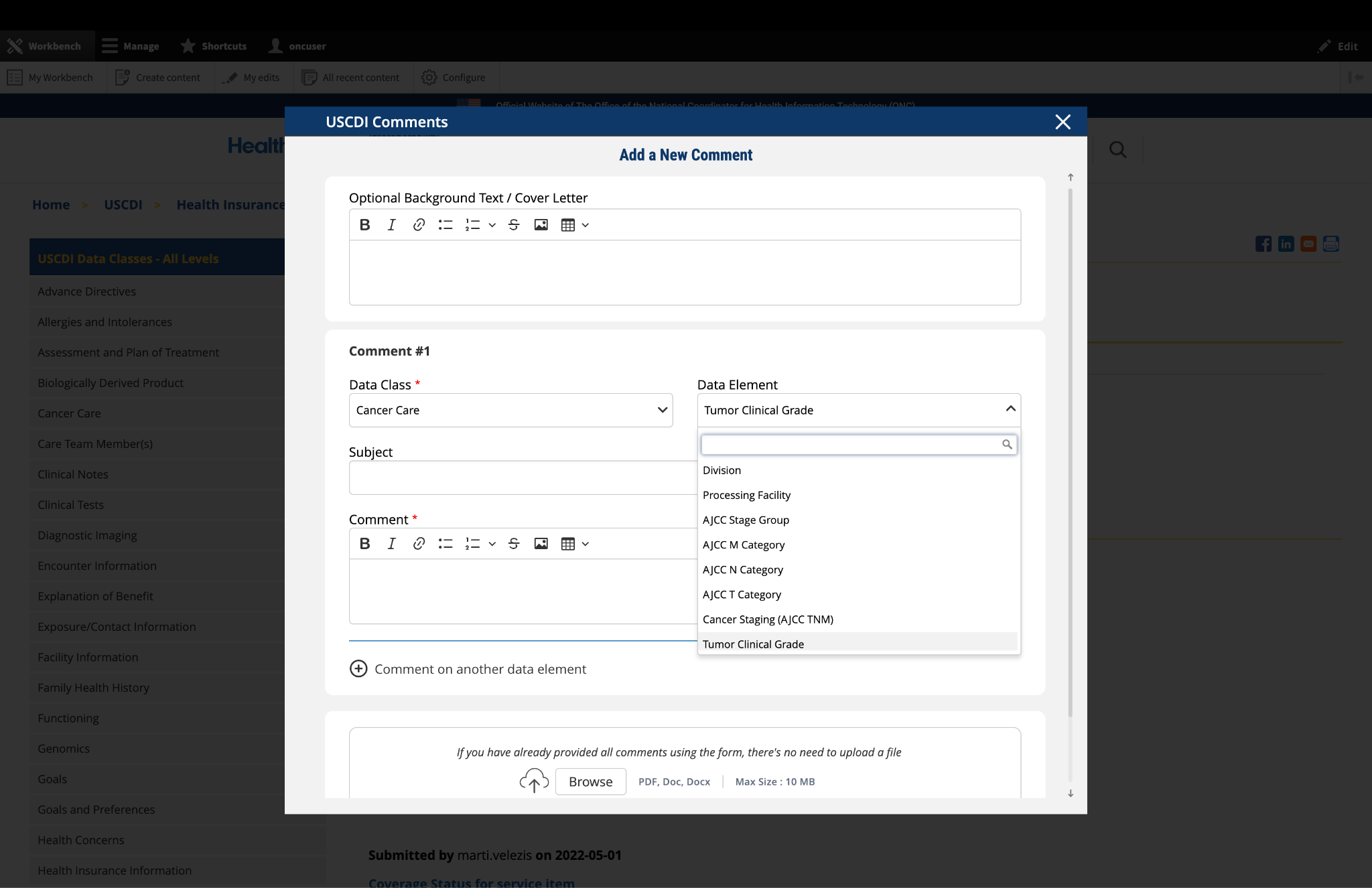
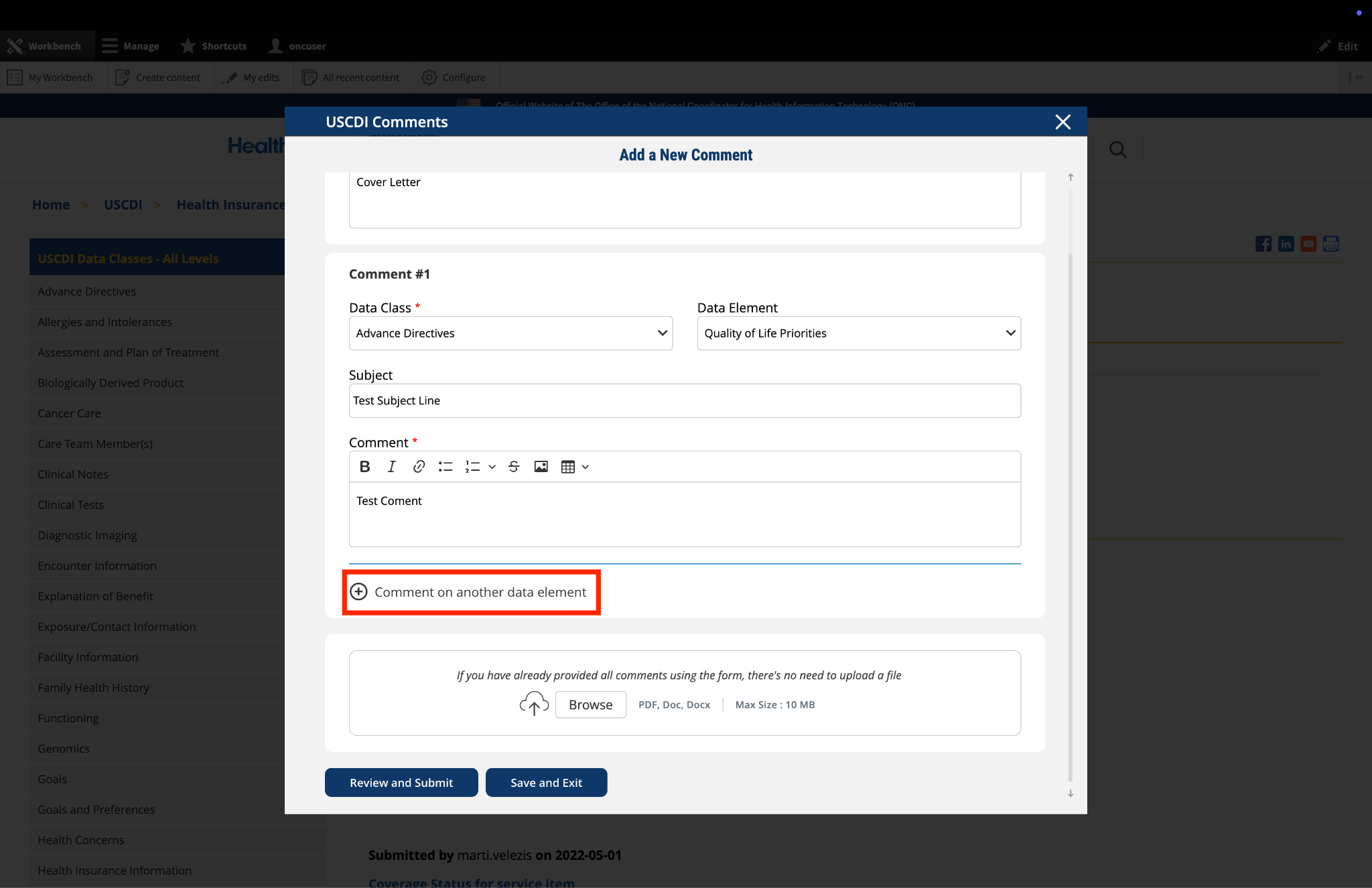
Add a New Comment

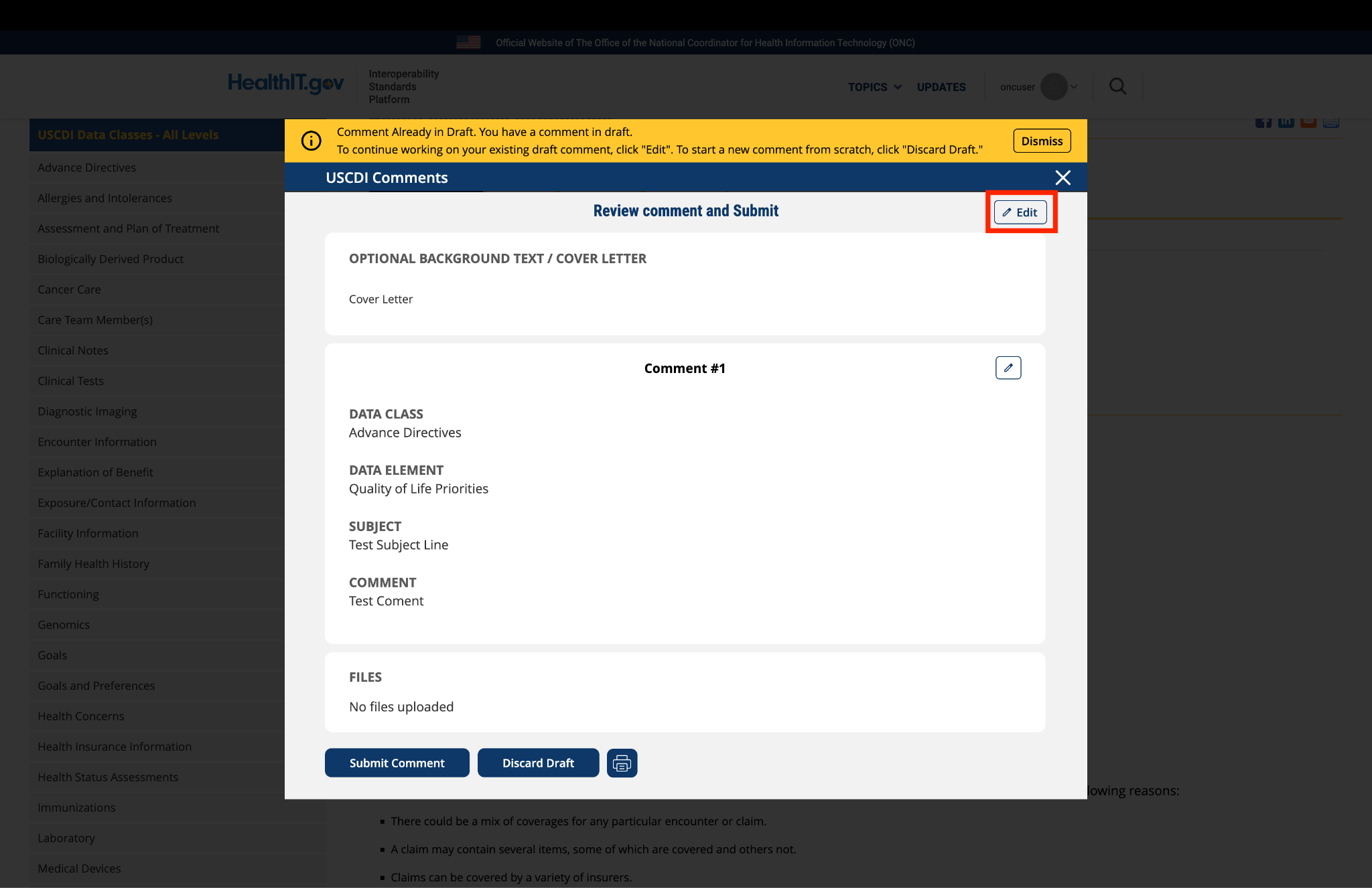
Review comment and Submit

Edit
Comment #1
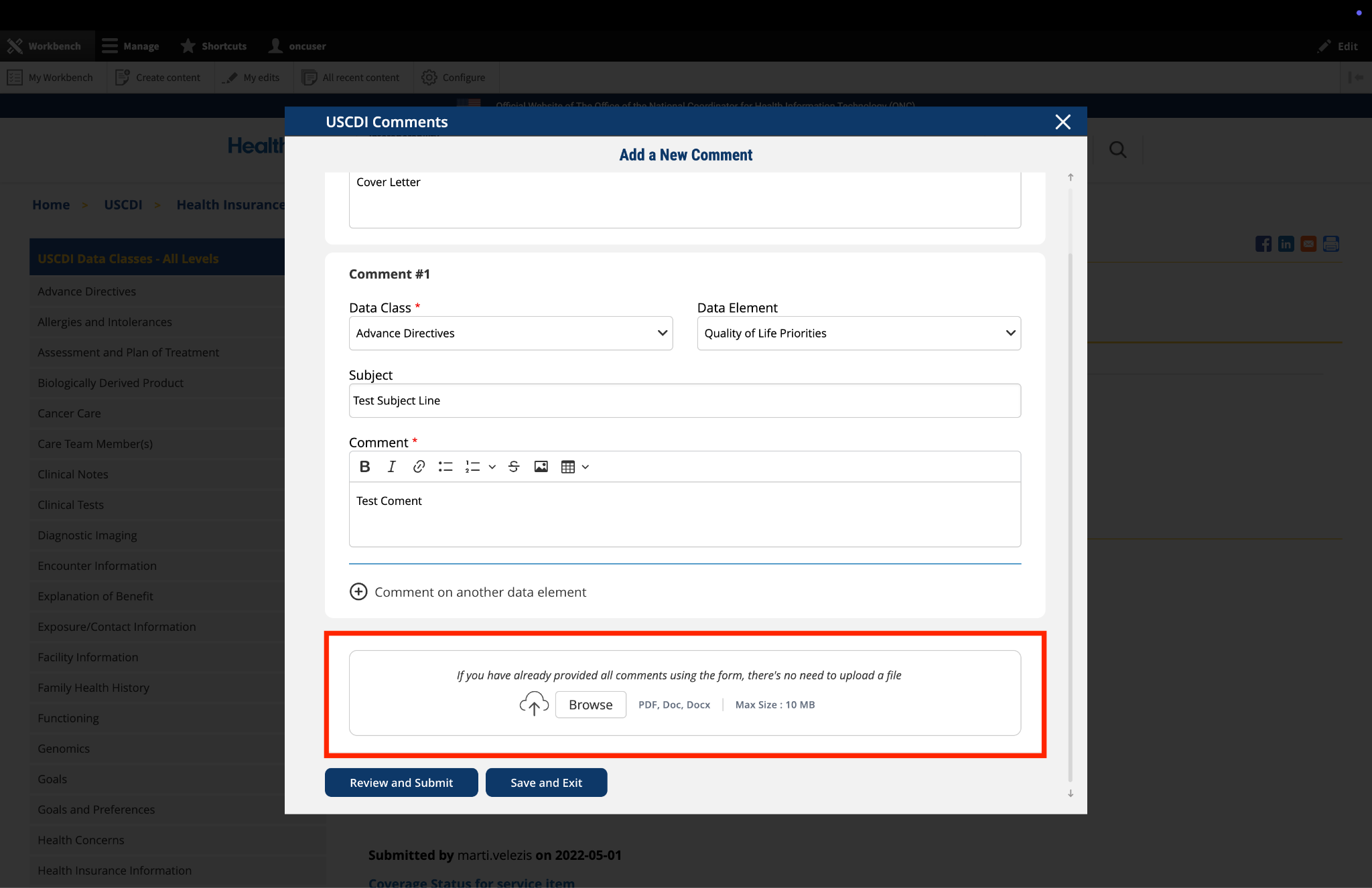
PDF, Doc, Docx
Max Size : 10 MB