| Submitted By: Swapna Abhyankar
/ Regenstrief Institute, LOINC Document Ontology Subcommittee
|
| Data Element Information |
| Data Element Description |
Clinical documentation of an imaging study that includes the study that was performed, reason, findings, and impressions. |
| Use Case Description(s) |
| Use Case Description |
Imaging studies are performed and exchanged every day across healthcare systems, settings, and specialties. |
| Estimate the breadth of applicability of the use case(s) for this data element
|
These data elements are broadly used every day across healthcare systems, settings, and specialties and would be used by a large proportion of USCDI stakeholders. |
| Healthcare Aims |
- Improving patient experience of care (quality and/or satisfaction)
- Reducing the cost of care
- Improving provider experience of care
|
| Maturity of Use and Technical Specifications for Data Element |
| Applicable Standard(s) |
LOINC
We recommend including the following specific information:
“Type 2 LOINC codes that represent imaging procedures. A value set with these codes is available as a downloadable .csv file available from: https://loinc.org/oids/1.3.6.1.4.1.12009.10.2.5/, as well as a FHIR ValueSet: https://fhir.loinc.org/ValueSet/loinc-imaging-document-codes/”
https://loinc.org
|
| Additional Specifications |
There are HL7 C-CDA implementation guides related to imaging, as well as FHIR resources across versions, including the US Core, that are related to imaging. |
| Current Use |
Extensively used in production environments |
| Supporting Artifacts |
Imaging studies are performed and exchanged every day across healthcare systems, settings, and specialties. These data elements would be used by a large proportion of USCDI stakeholders.
|
| Extent of exchange
|
5 or more. This data element has been tested at scale between multiple different production environments to support the majority of anticipated stakeholders. |
| Supporting Artifacts |
Imaging studies are performed and exchanged every day across healthcare systems, settings, and specialties. These data elements would be used by a large proportion of USCDI stakeholders.
|
| Potential Challenges |
| Restrictions on Standardization (e.g. proprietary code) |
None |
| Restrictions on Use (e.g. licensing, user fees) |
None |
| Privacy and Security Concerns |
None |
| Estimate of Overall Burden |
Minimal – already being used |


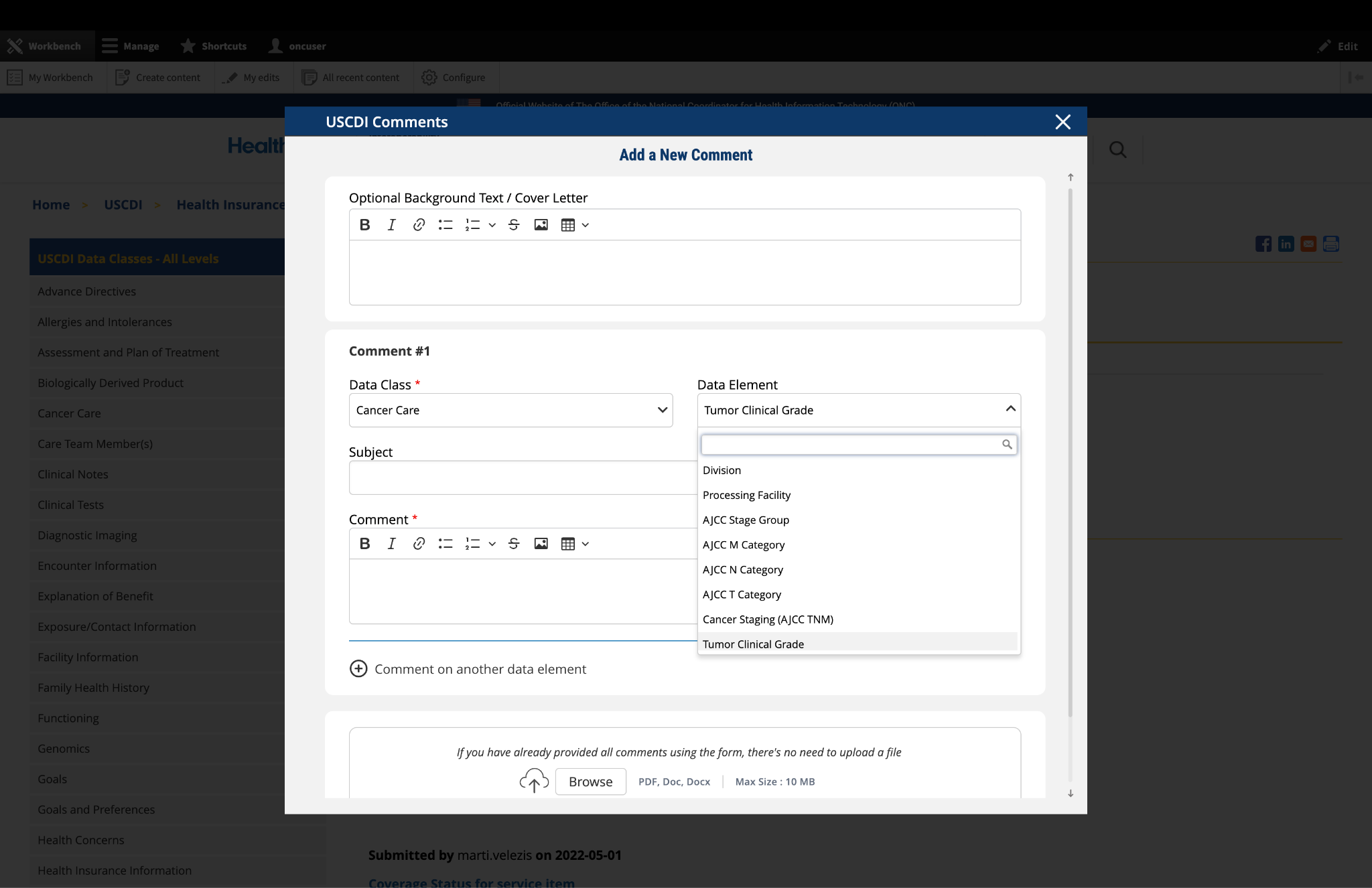
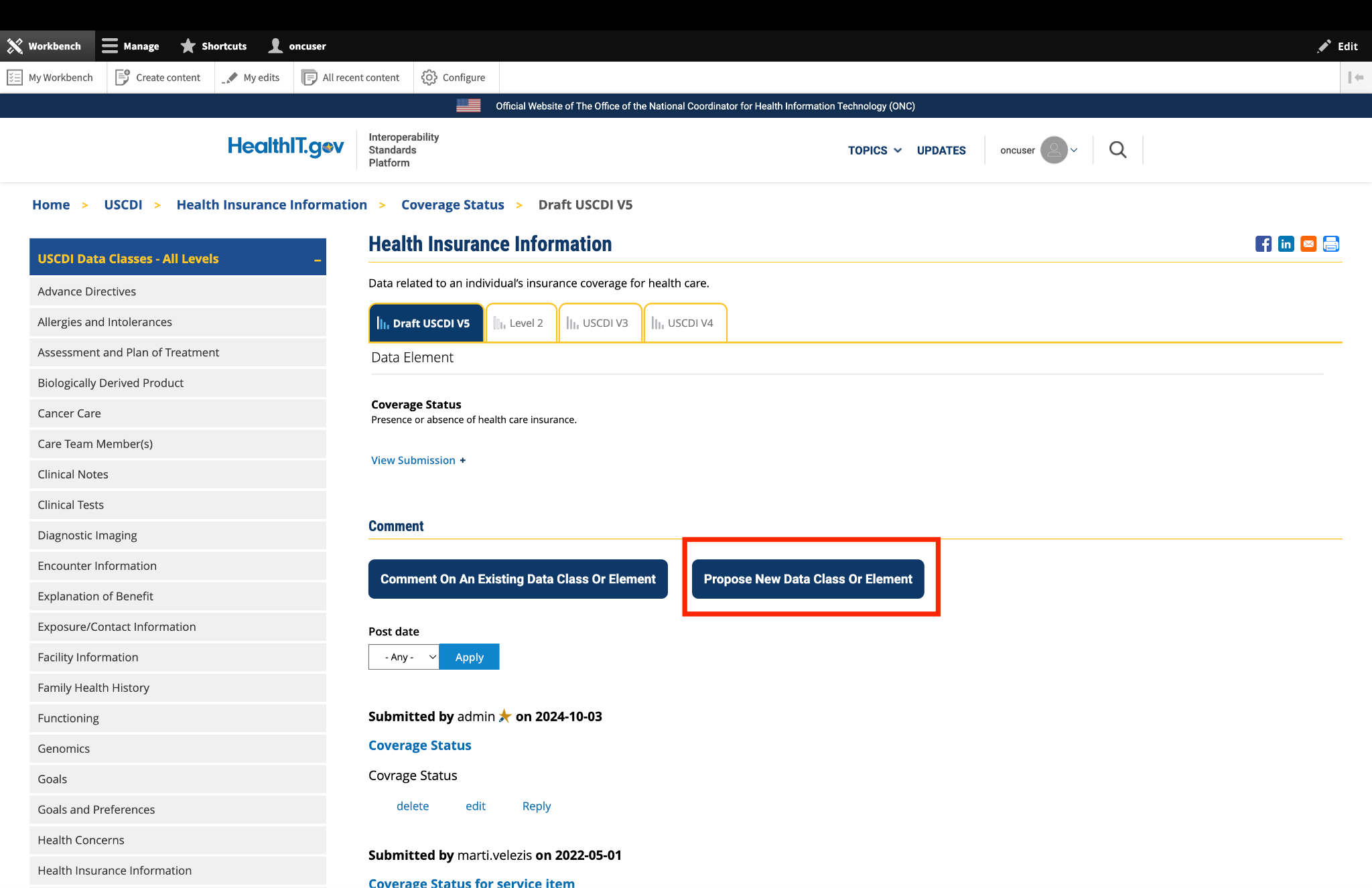
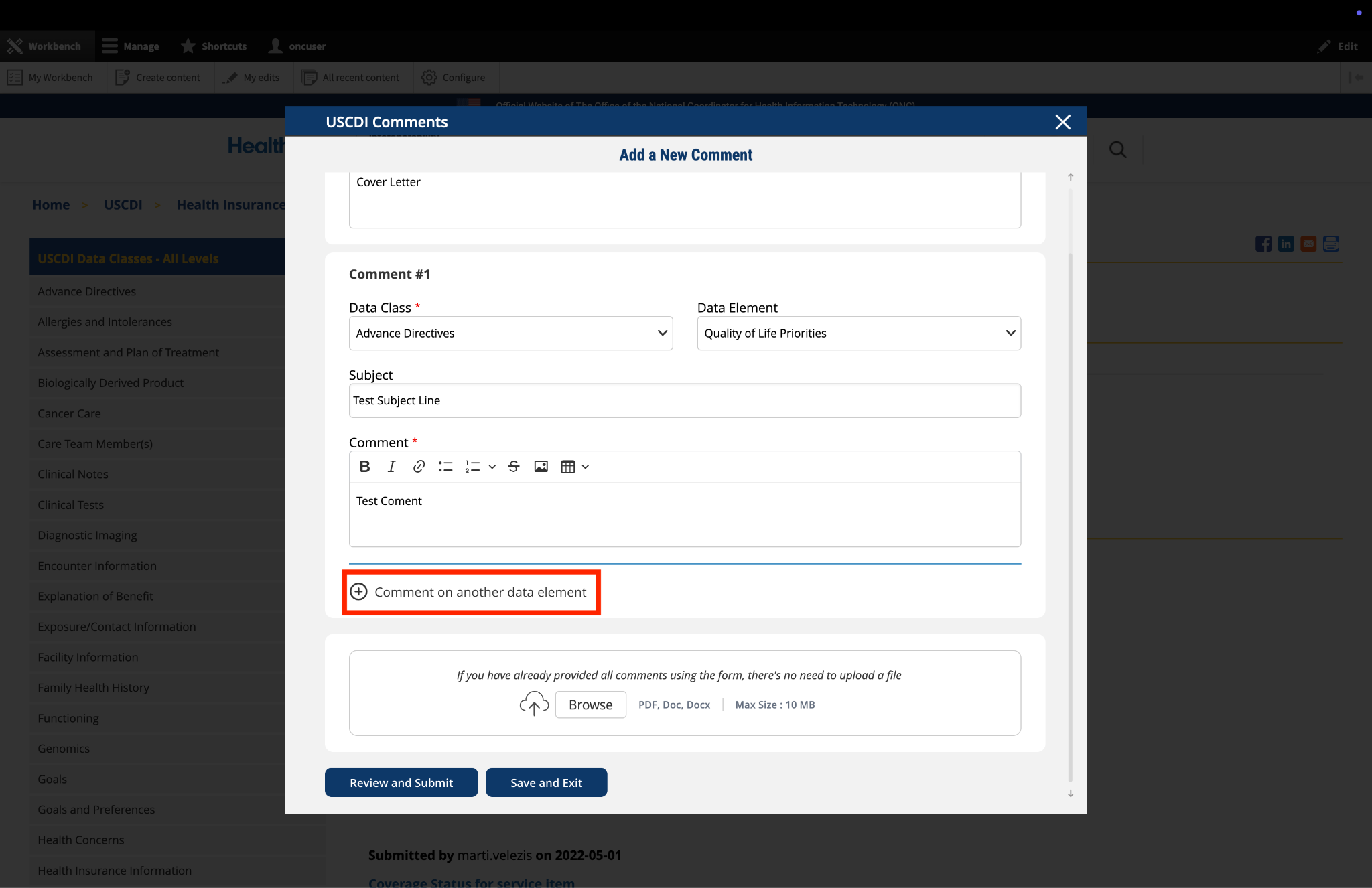
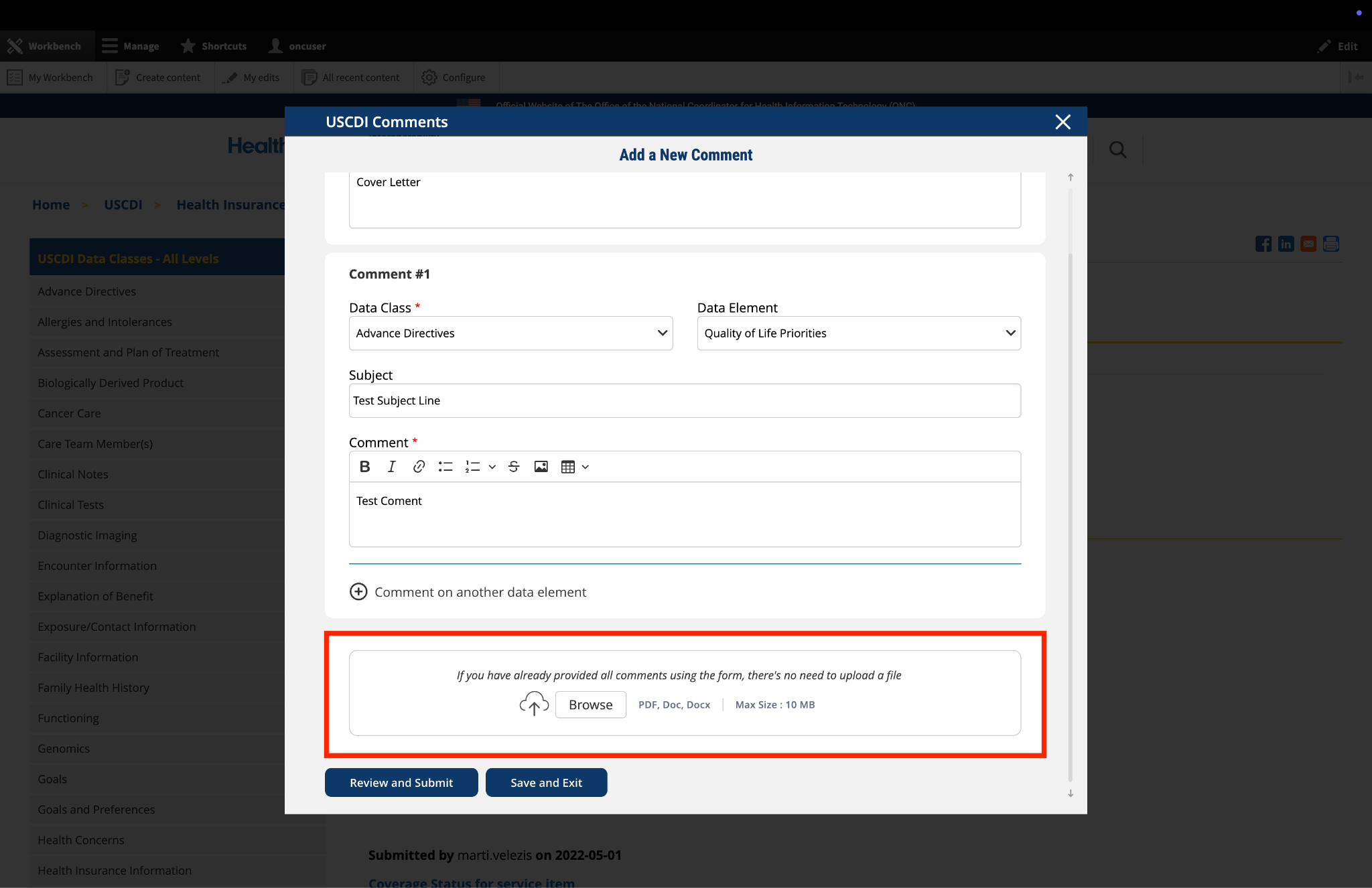
Submitted by SuzyRoy on
Recommendation for terminology standard designation
SNOMED International recommends that ONC designate SNOMED CT U.S. Edition as an applicable vocabulary standard for the Diagnostic Imaging Report data element, specifically for coding clinical findings, diagnoses, and procedure-related observations documented within structured imaging reports.
SNOMED CT clinical finding and procedure hierarchies provide a comprehensive, internationally recognized terminology for radiology findings, complementary to RadLex, which addresses imaging-specific procedural and anatomical concepts.
NCQA has formally recommended the combined use of SNOMED CT and RadLex for structured imaging report coding, reflecting established clinical and industry consensus on the complementarity of these standards.
ONC's FHIR-based certification requirements reference the HL7 FHIR DiagnosticReport resource as the primary interoperability mechanism for imaging reports. This resource supports SNOMED CT as a value set for report findings and conclusions.
Naming SNOMED CT as an applicable vocabulary standard for Diagnostic Imaging Reports would align USCDI v7 with existing FHIR implementation guidance and with the interoperability requirements of CMS value-based care programmes, including the Enhancing Oncology Model and Radiation Oncology Model, that require structured, coded imaging data exchange. The absence of any named vocabulary standard in the current draft creates risk of implementation fragmentation across the certified health IT market.