| Submitted By: Nedra Garrett
/ Centers for Disease Control and Prevention
|
| Data Element Information |
| Data Element Description |
Body site from which the specimen was obtained (e.g., right internal jugular, left arm, buttock, right eye)
|
| Use Case Description(s) |
| Use Case Description |
Disease reporting to public health relies on data from the EHR for identification of reportable events and to provide critical information used in confirming a diagnosis, understanding severity and classifying a case of disease that requires public health intervention for prevention, treatment, control, and outbreak identification and response. The specimen collection date is of particular importance for public health in understanding when laboratory confirmable evidence of a disease process was present in the patient. Specimen type and specimen site provides information useful in interpreting laboratory findings to determine severity and transmissibility. |
| Estimate the breadth of applicability of the use case(s) for this data element
|
Over 3000 public health agencies in the US would use these data elements for disease surveillance and control activities. |
| Link to use case project page |
https://www.cdc.gov/elr/index.html |
| Healthcare Aims |
- Improving the health of populations
|
| Maturity of Use and Technical Specifications for Data Element |
| Applicable Standard(s) |
LOINC
https://phinvads.cdc.gov/vads/SearchVocab.action
|
| Additional Specifications |
N/A |
| Current Use |
Extensively used in production environments |
| Supporting Artifacts |
These are standard elements in HL7 laboratory messaging
https://www.cdc.gov/elr/index.html
|
| Extent of exchange
|
5 or more. This data element has been tested at scale between multiple different production environments to support the majority of anticipated stakeholders. |
| Supporting Artifacts |
These data elements are standard components of HL7 electronic test order and reporting (ETOR) messages between clinical setting and clinical laboratorories and of HL7 electronic laboratory reporting (ELR) messages sent from clinical laboratories to public health.
https://www.cdc.gov/elr/index.html
|
| Potential Challenges |
| Restrictions on Standardization (e.g. proprietary code) |
None |
| Restrictions on Use (e.g. licensing, user fees) |
None |
| Privacy and Security Concerns |
None |
| Estimate of Overall Burden |
N/A |
| Other Implementation Challenges |
N/A |


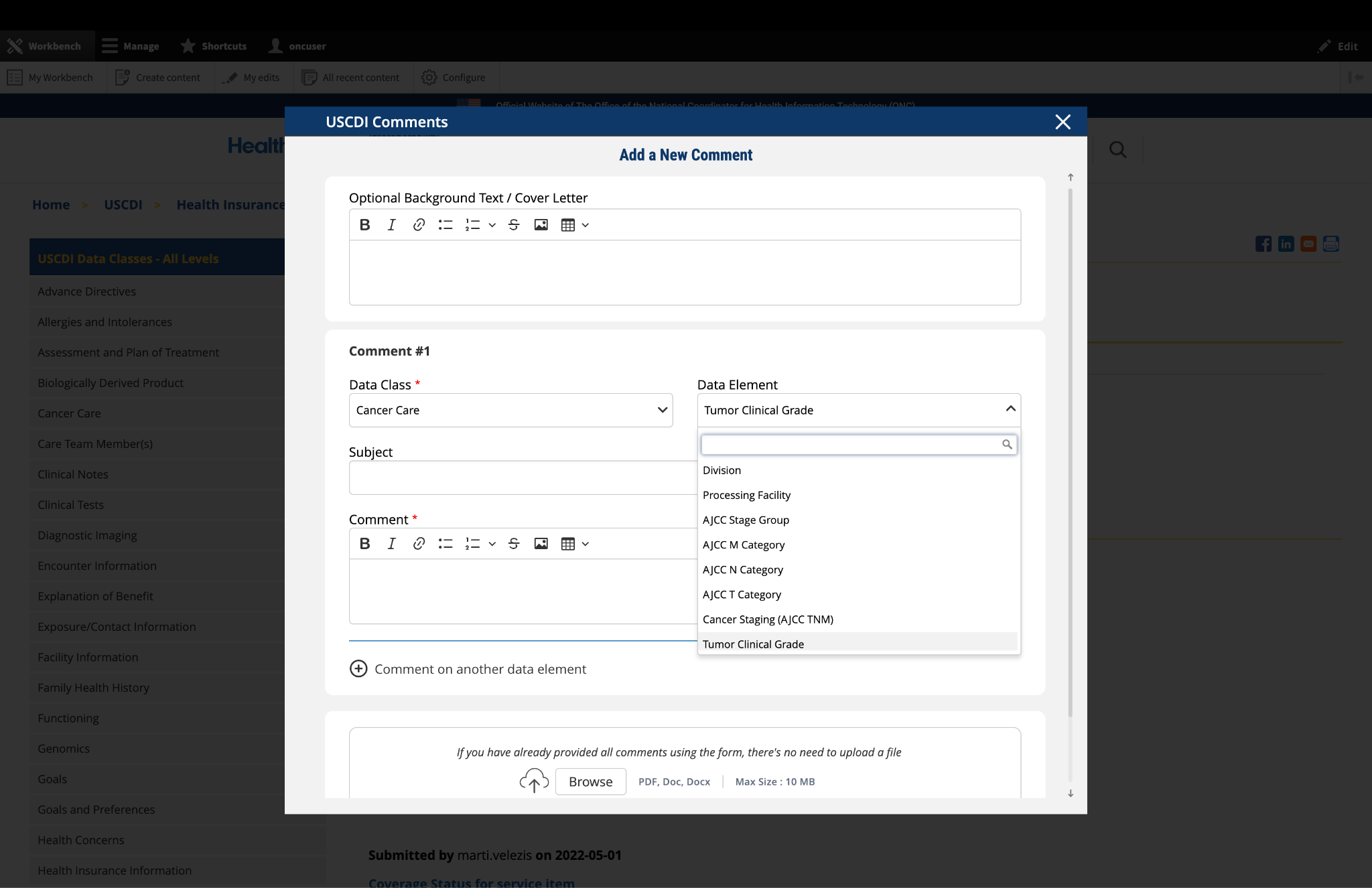
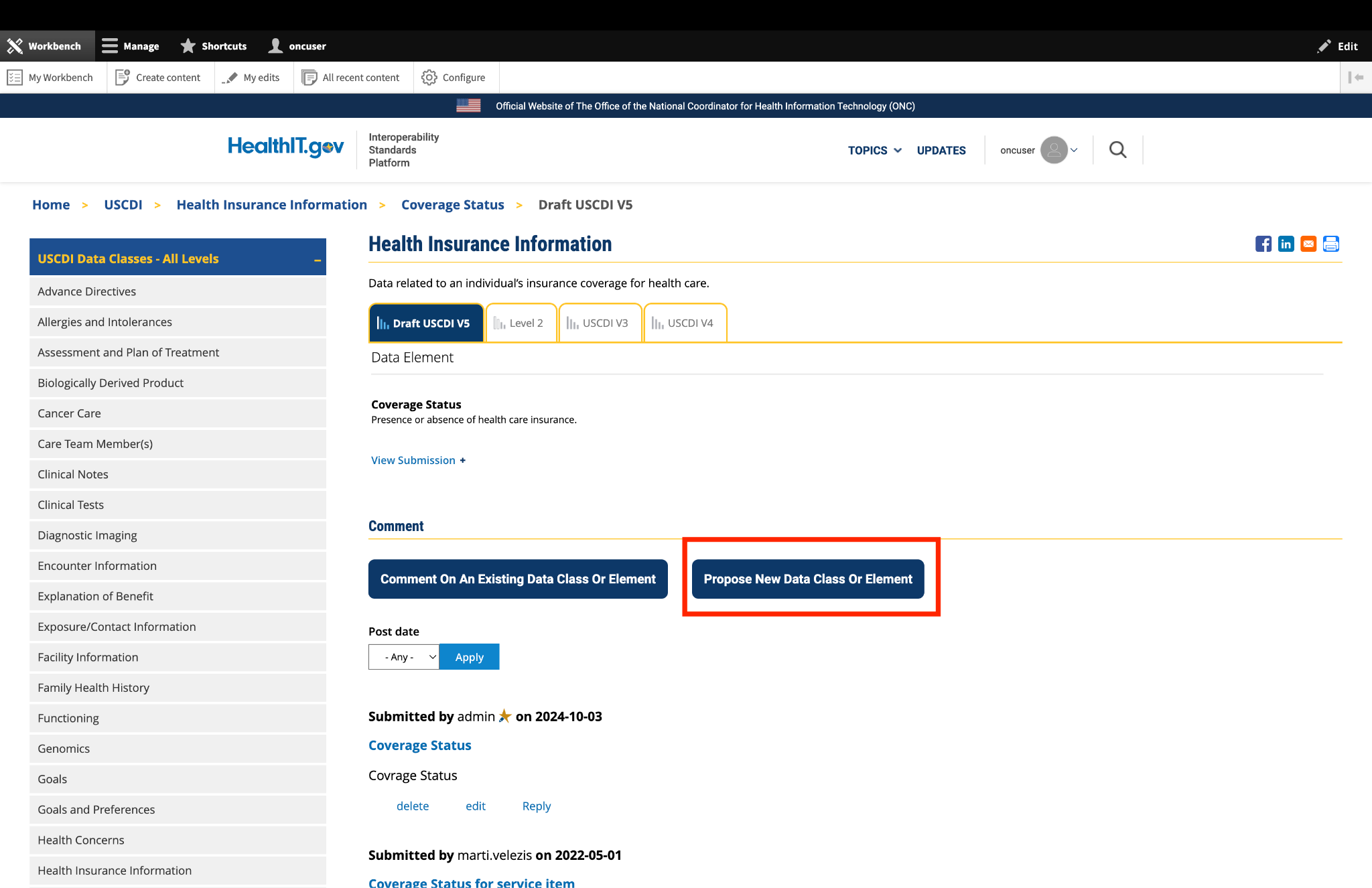
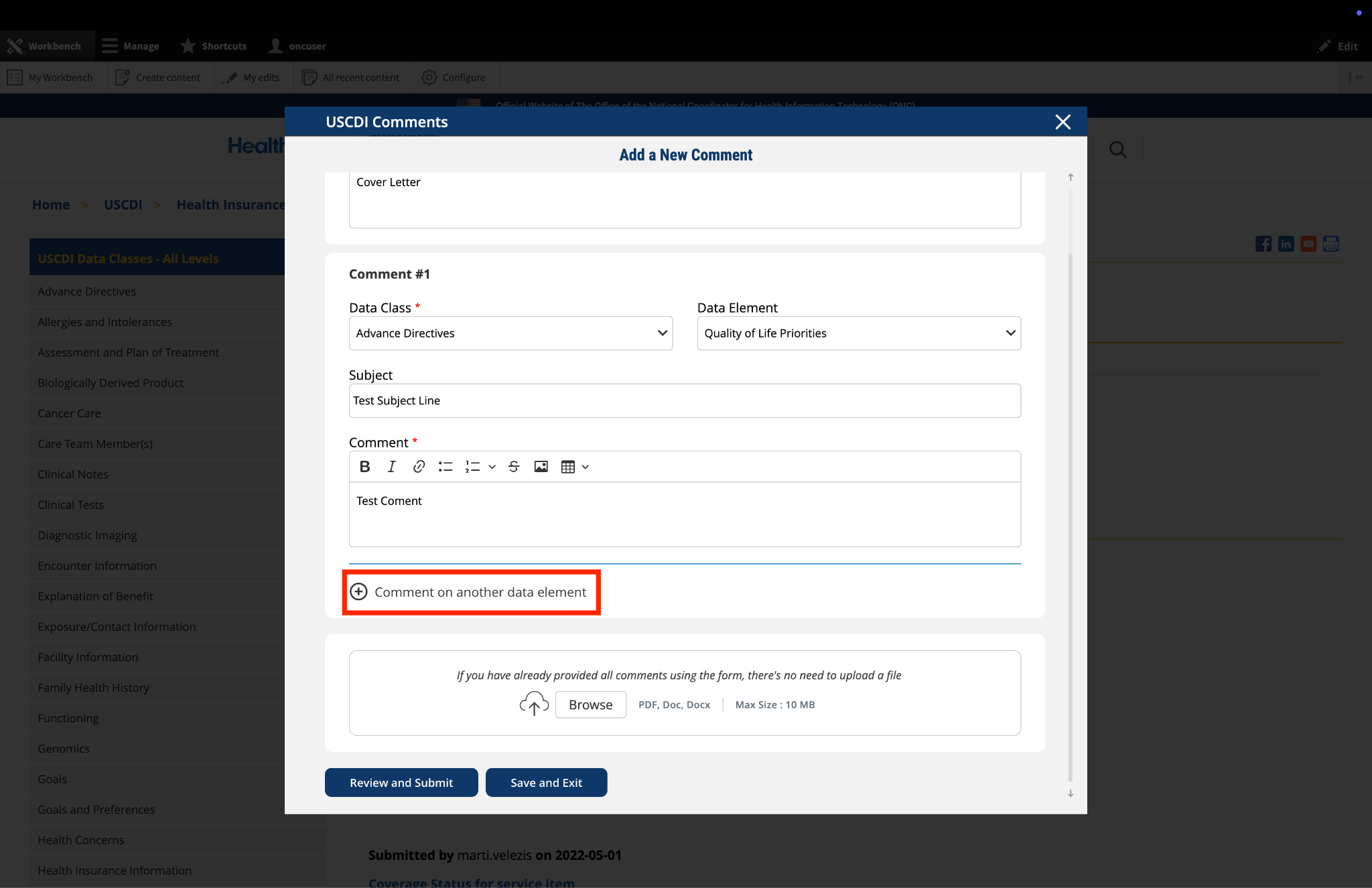
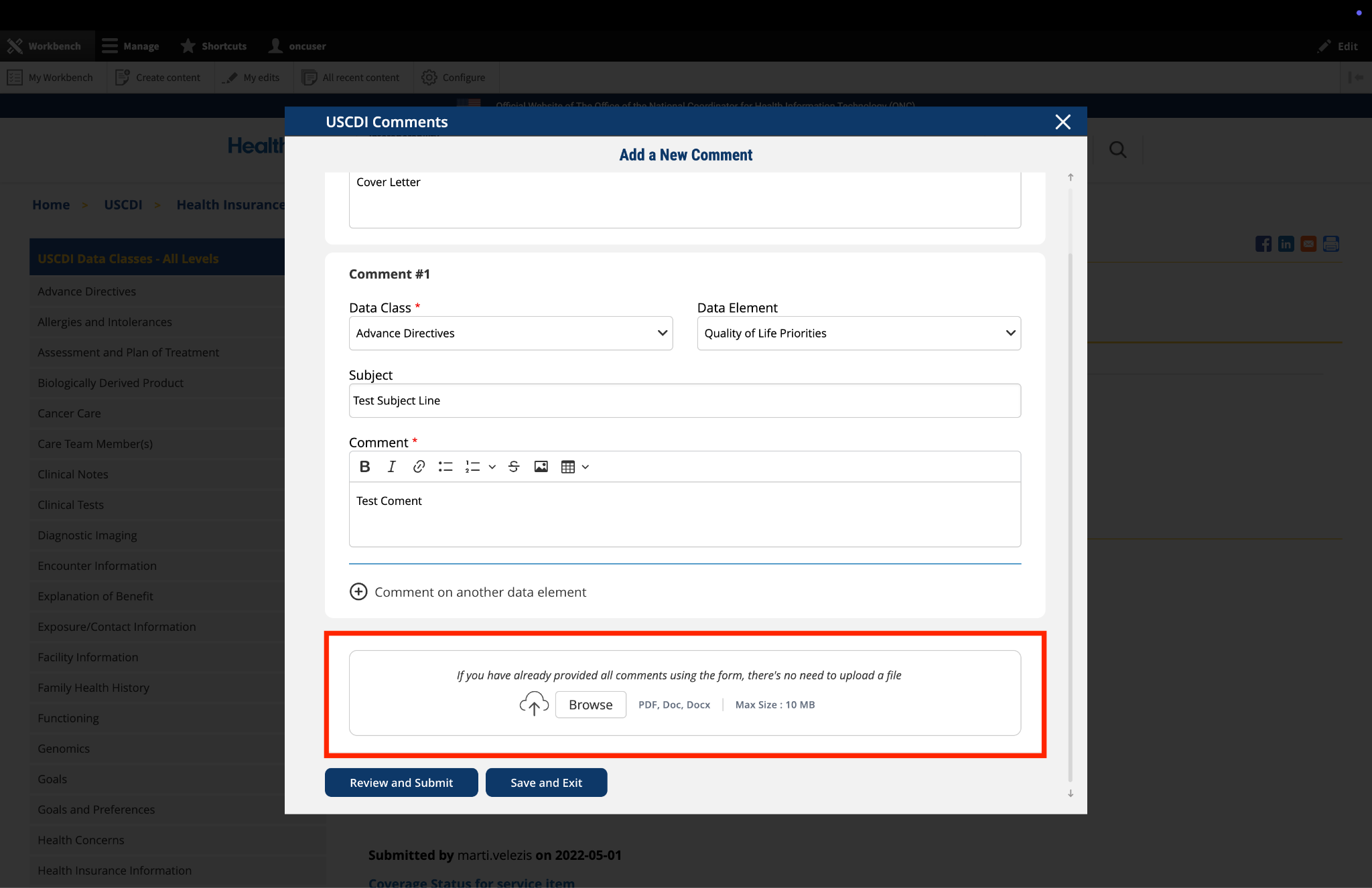
Submitted by AndreaP on
Add Laterality to Specimen Source Site
Please include laterality clarification and guidance for use with Specimen Source Site as applicable. It is vital to know from exactly where a biopsy was collected. For example, a biopsy may be from the Upper Left Lobe of the Lung. There are ~40 different combinations of SNOMED CT codes that can be used to convey this Source Site. While there are several precoodinated codes with the Specimen Source Site and Laterality, there are other instances where they don't always exist in the combination needed clinically. Thus a SNOMED CT Qualifier hierarchy Laterality code may be needed to in a post coordinated approach to accurately communicate the Source Site. Multiple laterality codes may need to be used like "Upper" and "Left." Please add guidance and support for laterality. They are commonly used in pathology, as well as microbiology such as a Wound Culture to indicate from where (body site) the swab was collected. Thank you for the consideration.