Analysis of clinical specimens to obtain information about the health of a patient.

Data Element

Result Interpretation
Description (*Please confirm or update this field for the new USCDI version*)

Categorical assessment of a laboratory value, often in relation to a test's reference range.

Examples include but are not limited to high, low, critical high, and normal.

Applicable Vocabulary Standard(s)

Applicable Standards (*Please confirm or update this field for the new USCDI version*)
  • Systematized Nomenclature of Medicine Clinical Terms (SNOMED CT®) U.S. Edition, March 2023 Release
  • HL7 Code System ObservationInterpretation

View guidance on Applicable Vocabulary Standards and versioning.

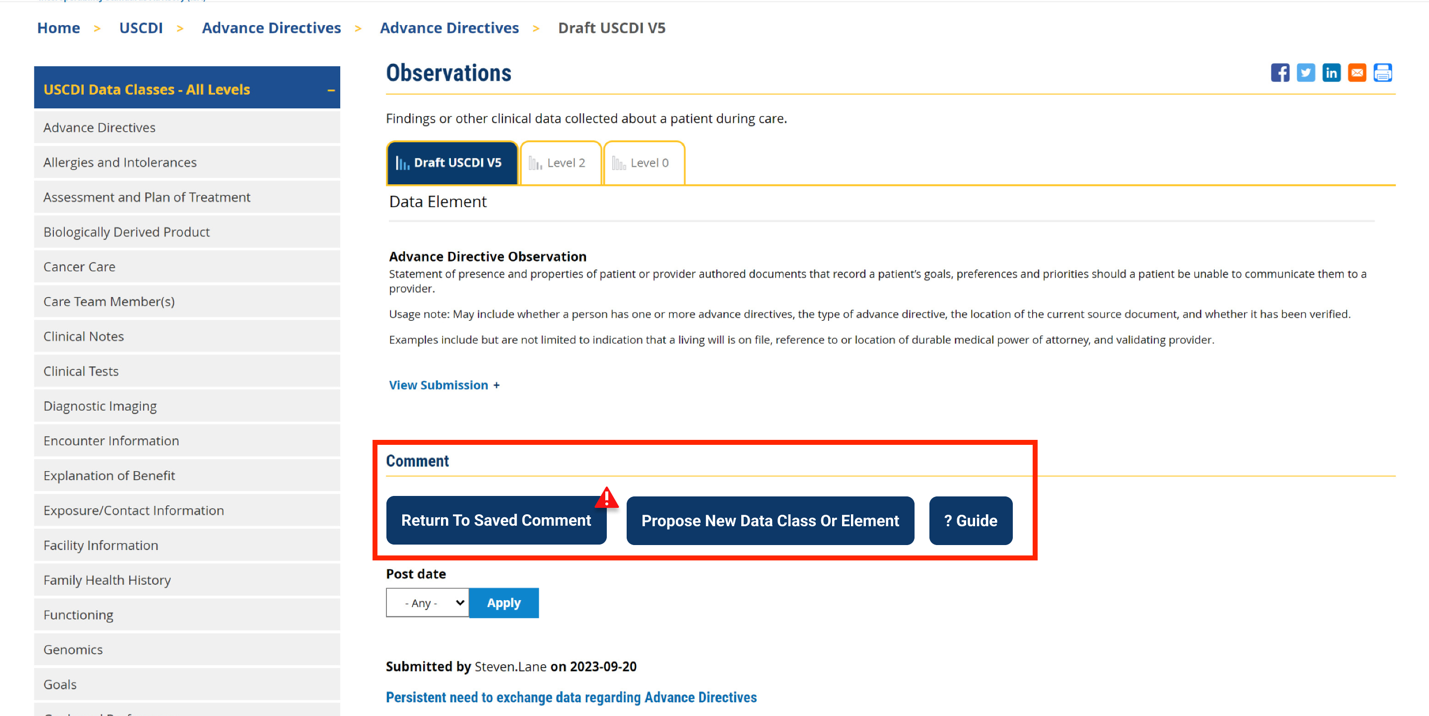
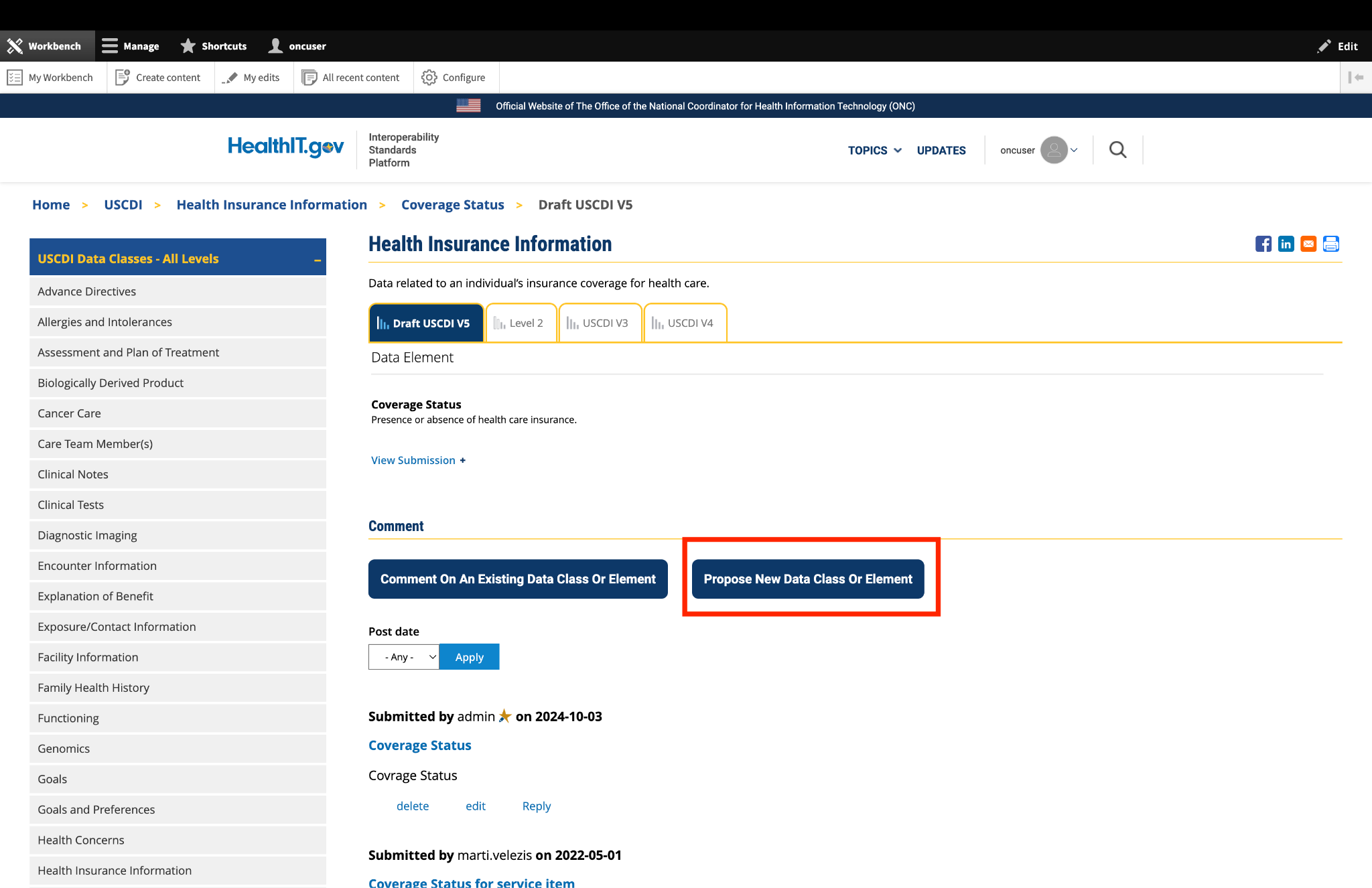
Comment

Strongly Support with Scope Expansion to Health Status/Assessmen

I strongly support the elevation of the Test Interpretation (Abnormal Flag) data element into upcoming USCDI baselines. This element is critical for closing the loop between raw metrics and active clinical decision-making.

However, we urge ONC to broaden the contextual definition of this element beyond laboratory findings to explicitly encompass the Health Status/Assessments data class. A standardized clinical interpretation is just as vital for multi-item screenings and structured surveys as it is for lab results.

Key Use Case & Standardization Evidence:

  • Clinical Value: Raw aggregate scores or individual questionnaire answers often lack clinician nuance or situational context. For instance, a borderline Patient Health Questionnaire (PHQ-9) total score (⁠LOINC 44261-6) could be interpreted by a clinician as either "Clinically Positive" or "Clinically Negative" depending on an in-depth diagnostic dialogue.
  • Workflow Optimization: Transmitting only a raw numerical score down the care stream forces receiving systems to use non-standard calculations. Transmitting a discrete interpretation code dictates the clear need for subsequent care pathways or immediate follow-up.
  • Technical Maturity: This requirement maps cleanly to the native Observation.interpretation FHIR element. It utilizes highly mature standards like the HL7 ObservationInterpretation ValueSet (e.g., POS for positive, NEG for negative) and established LOINC Answer IDs (e.g., LA6710-3 for Moderate Depression).

We recommend that ONC ensure this mature data element is considered for upcoming iterations, explicitly supporting cross-class utility for both Labs and Health Status Assessments. It may also be considered for the QuestionnaireResponse model since that is typically the source of data that is also included in survey Observations.

Support for HL7 observationInterpretation

APHL supports the comment by CAP (https://www.healthit.gov/isa/comment/13160) highlighting that the HL7 observationInterpretation code system (https://terminology.hl7.org/CodeSystem-v3-ObservationInterpretation.html) should be the required vocabulary used; this code system is used in ALL HL7 products (V2, CDA and FHIR). In addition allowing use of SNOMED CT with values drawn from the qualifier hierarchy is also appropriate and should be supported as optional.
CAP Comment on Result Interpretation

  • Data Class: Laboratory
  • Data Element: Result Interpretation
  • CAP Comment: The CAP applauds the ONC’s decision to add this data element to USCDI v4, as this data element represents the categorical assessment of a laboratory value (e.g. “high”, “low”, “critical”, etc.) and is required by CLIA. The CAP recommends that the HL7 interpretation code system and value set—which was in the original submission for this data element—be added as a minimum vocabulary standard for this data element. The CAP would also recommend that the ONC include SNOMED CT as a vocabulary standard for this element.

THIA Comment on Laboratory: Result Interpretation

The Texas Health Informatics Alliance (THIA) Policy and Standards Working Group supports the proposal for result interpretation; however, standardization of high, low, critical, and normal values should be explored and standardized by CAP and APHL. The definition of a critical value per institution should be kept in mind when the data is collected and there should be some level of consistency between institutions.

It is important to consider the cut-off for a critical value between various facilities. This is especially true for interpreting lab results. Every lab has to establish their own reference ranges relative to their population and instrumentation. It might be problematic or unclear how far out of the normal various labs are and if there are different levels for different institutions. Additionally, an expansive number and type of assays are performed; it is unrealistic to assume that providers know and/or are comfortable with interpreting all of them. It is important to provide interpretations.

Notably, there is a push for making data available to patients. Patients can read results before their clinicians get to them. In Epic MyChart, there is a little red eye to indicate that the clinician has not seen the results yet. However, it is unlikely that all systems have a similar feature. The requirement of a similar feature may encourage compliance.

APHL Comments on ISA 2022

APHL still supports inclusion of this data element in the Laboratory class of USCDI V4. - see also https://www.healthit.gov/isa/comment/4711 - which applies to this data element as a specialization of observation interpretation.

CAP Comment on Test Interpretation (Abnormal Flag) Data Element

Data Element: Test Interpretation (Abnormal Flag)

  • Corresponding CLIA Reporting Requirement: Test result interpretation
  • Description: The College of American Pathologists (CAP) supports this data element as written and urges that it be brought up to Level 2 and ideally included in USCDI v4. The CAP supports this data element to align with CLIA’s test result interpretation reporting requirement. The CLIA-defined reporting requirements are required for laboratory reporting and should be used as the basis for laboratory and public health reporting standards. Because laboratories already communicate test result interpretations along with reference ranges to the Centers for Medicare & Medicaid Services (CMS), this data element is already in wide usage and should be classified Level 2 at a minimum.

Log in or register to post comments

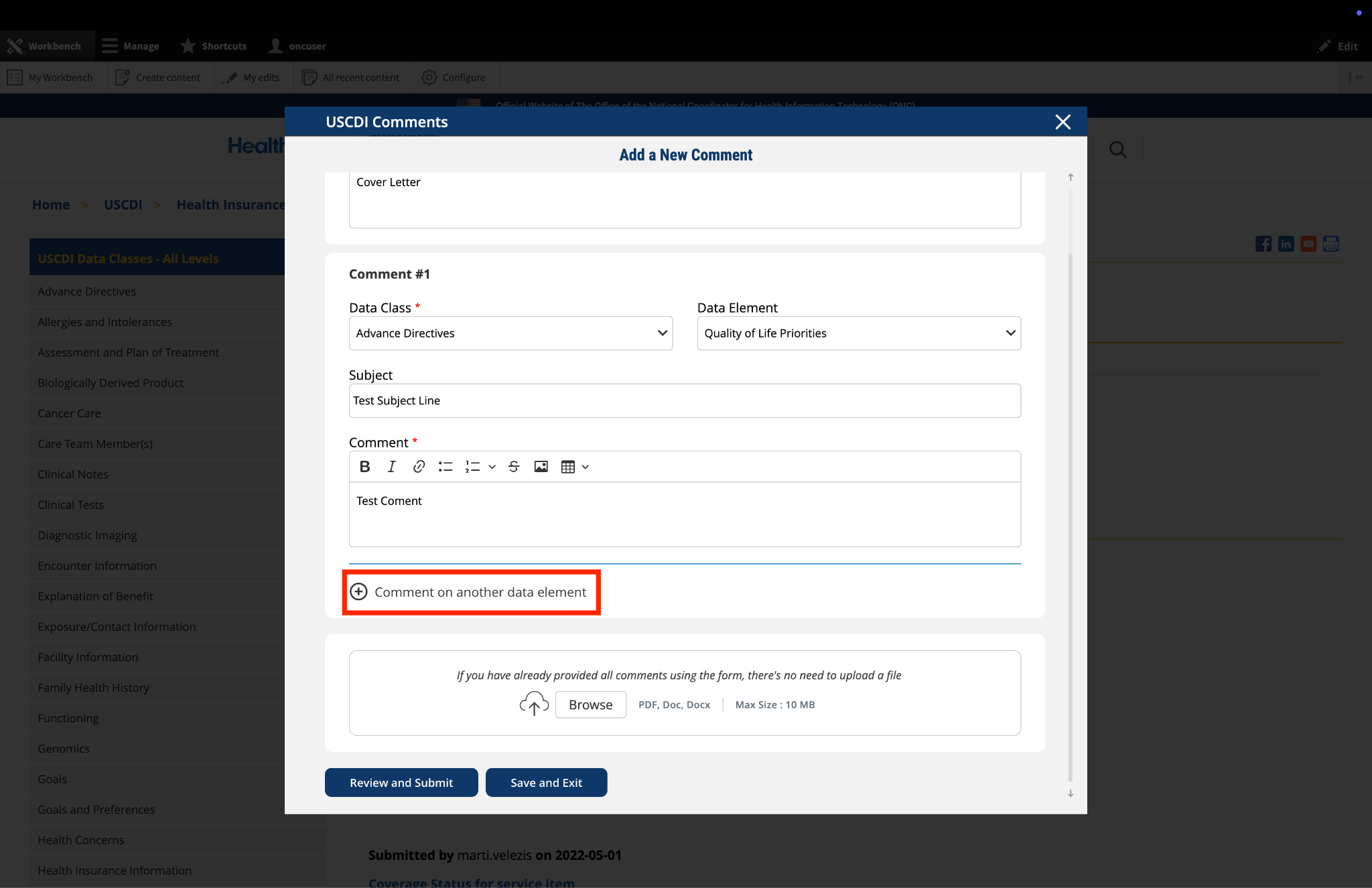
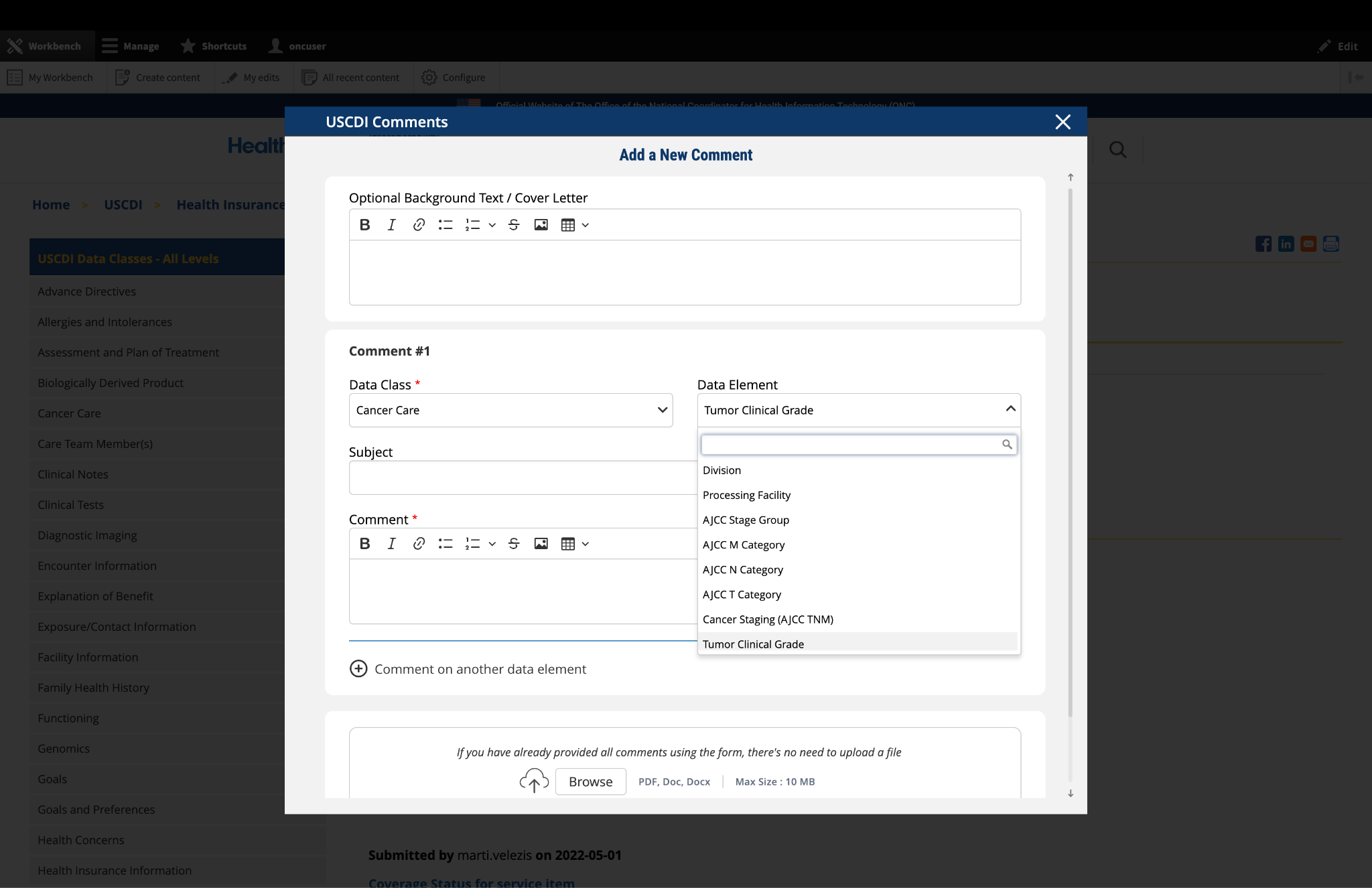
Add a New Comment

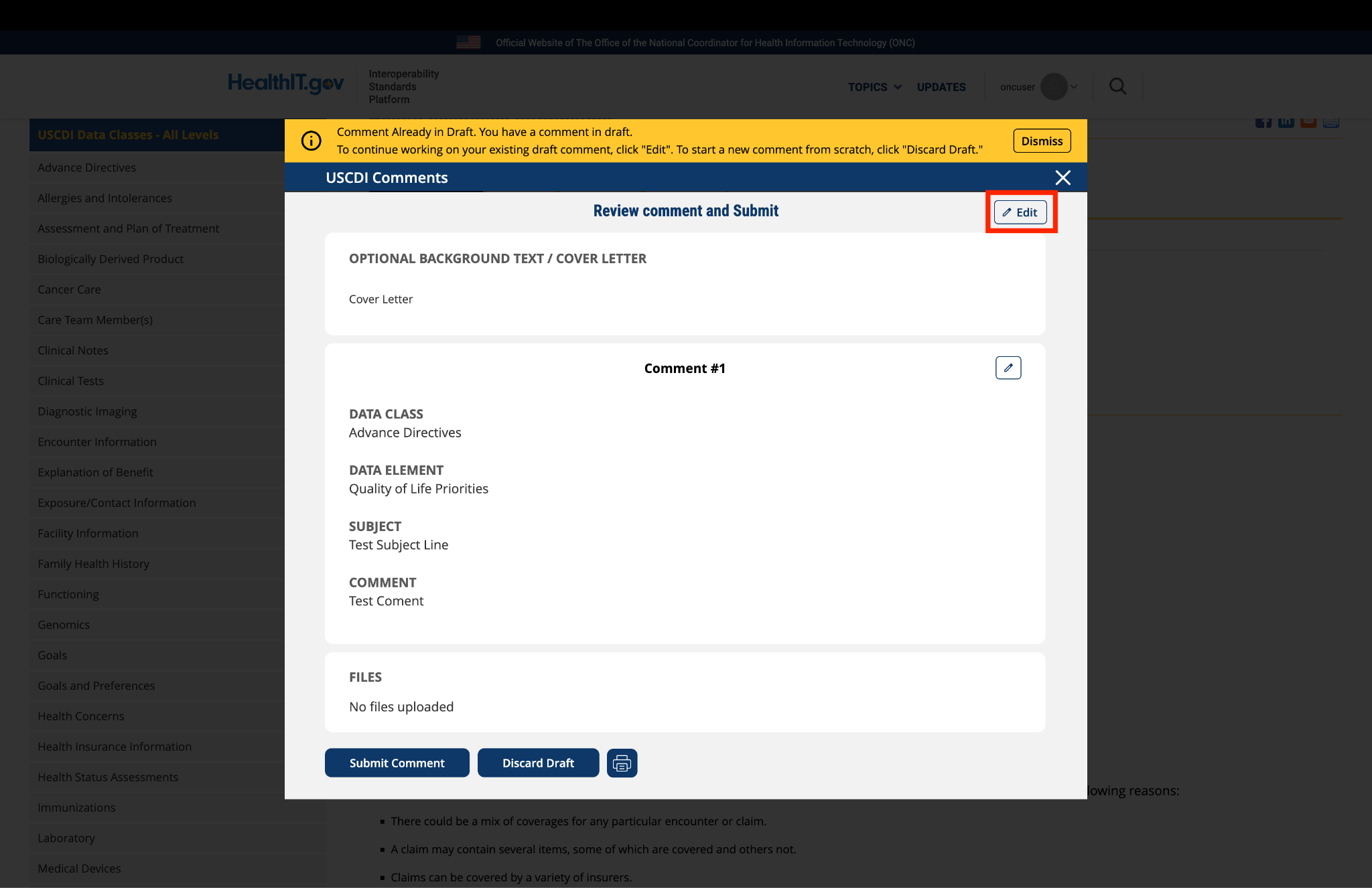
Review comment and Submit

Edit
Comment #1
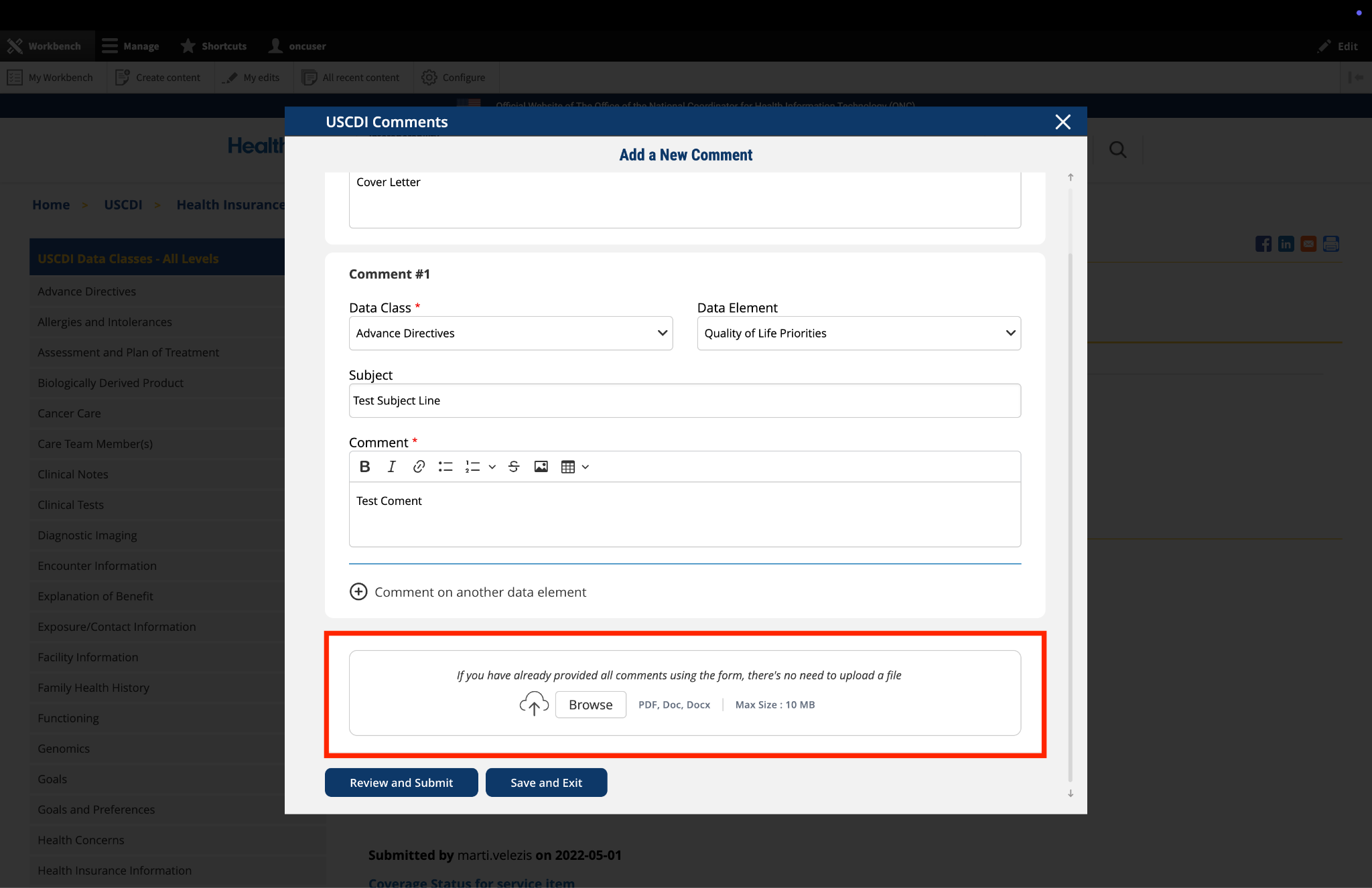
PDF, Doc, Docx
Max Size : 10 MB