
Submitted by rdillaire on
CMS CCSQ supports NCQA’s…
CMS CCSQ supports NCQA’s recommendation to clarify the scope of the Health Status Assessment data class to include both the assessment and the result or answer associated with that assessment.
 Official Website of the Office of the National Coordinator for Health Information Technology
Assessments of a health-related matter of interest, importance, or worry to a patient, patient’s authorized representative, or patient’s healthcare provider that could identify a need, problem, or condition.
Data Element |
Applicable Vocabulary Standard(s) |
|---|---|
|
Functional Status
Assessment of a patient’s capabilities, or their risks of development or worsening of a condition or problem. (e.g., fall risk, pressure ulcer risk, alcohol use) |
|
|
Disability Status
Assessments of a patient’s physical, cognitive, intellectual, or psychiatric disabilities. (e.g., vision, hearing, memory, activities of daily living) |
|
|
Mental/Cognitive Status
Assessment of a patient's level of cognitive functioning. (e.g., alertness, orientation, comprehension, concentration, and immediate memory for simple commands) |
|
|
Pregnancy Status
State or condition of being pregnant or intent to become pregnant. (e.g., pregnant, not pregnant, intent to become pregnant, unknown) |
|
|
Health Concerns
Health-related issue or worry. (e.g., weight gain, cancer risk) |
|
|
Smoking Status
Assessment of a patient's smoking behaviors. |
|
Data Element |
Applicable Vocabulary Standard(s) |
|---|---|
|
Functional Status
Assessment of a patient’s capabilities, or their risks of development or worsening of a condition or problem. (e.g., fall risk, pressure ulcer risk, alcohol use) |
|
|
Disability Status
Assessments of a patient’s physical, cognitive, intellectual, or psychiatric disabilities. (e.g., vision, hearing, memory, activities of daily living) |
|
|
Mental/Cognitive Status
Assessment of a patient's level of cognitive functioning. (e.g., alertness, orientation, comprehension, concentration, and immediate memory for simple commands) |
|
|
Pregnancy Status
State or condition of being pregnant or intent to become pregnant. (e.g., pregnant, not pregnant, intent to become pregnant, unknown) |
|
|
Health Concerns
Health-related issue or worry. (e.g., weight gain, cancer risk) |
|
|
Smoking Status
Assessment of a patient's smoking behaviors. |
|
Data Element |
Applicable Vocabulary Standard(s) |
|---|---|
|
Functional Status
Assessment of a person’s ability to perform activities of daily living and activities across other situations and settings. Examples include but are not limited to bathing, ambulation, and preparing a light meal. |
|
|
Disability Status
Assessments of a patient’s physical, cognitive, intellectual, or psychiatric disabilities. Examples include but are not limited to vision, hearing, memory, and activities of daily living. |
|
|
Mental/Cognitive Status
Assessment or screening for the presence of a mental or behavioral problem. Examples include but are not limited to alertness, orientation, comprehension, concentration, and immediate memory for simple commands. |
|
|
Pregnancy Status
State or condition of being pregnant or intent to become pregnant. Examples include but are not limited to pregnant, not pregnant, and unknown. |
|
|
Alcohol Use
Evaluation of a patient's consumption of alcohol. Examples include but are not limited to history of alcohol use, alcohol use disorder identification test and alcohol intake assessment. |
|
|
Health Concerns
Health-related issue or worry. Examples include but are not limited to weight gain and cancer risk. |
|
|
Substance Use
Evaluation of a patient's reported use of drugs or other substances for non-medical purposes or in excess of a valid prescription. Examples include but are not limited to substance use disorder score, and substance use knowledge assessment. |
|
|
Physical Activity
Evaluation of a patient's current or usual exercise. Examples include but are not limited to frequency of muscle-strengthening physical activity, days per week with moderate to strenuous physical activity, and minutes per day of moderate to strenuous physical activity. |
|
|
SDOH Assessment
Screening questionnaire-based, structured evaluation for a Social Determinants of Health-related risk. Examples include but are not limited to food, housing, and transportation security. |
|
|
Smoking Status
Assessment of a patient’s smoking behaviors. Examples include but are not limited to pack-years and current use. |
|
Data Element |
Applicable Vocabulary Standard(s) |
|---|---|
|
Functional Status
Assessment of a person’s ability to perform activities of daily living and activities across other situations and settings. Examples include but are not limited to Functional Assessment Standardized Items (FASI) and Timed Up and Go (TUG). |
|
|
Disability Status
Assessment of a patient’s physical, cognitive, or psychiatric disabilities. Examples include but are not limited to American Community Survey, Veterans RAND Health Survey, and Patient-Reported Outcomes Measurement Information System (PROMIS). |
|
|
Mental/Cognitive Status
Assessment or screening for the presence of a mental or behavioral problem. Examples include but are not limited to Confusion Assessment Method (CAM) and Patient Health Questionnaire (PHQ). |
|
|
Pregnancy Status
State or condition of being pregnant or intent to become pregnant. Examples include but are not limited to pregnant, not pregnant, and unknown. |
|
|
Alcohol Use
Evaluation of a patient's consumption of alcohol. Examples include but are not limited to history of alcohol use, alcohol use disorder identification test, and alcohol intake assessment. |
|
|
Health Concerns
Health-related issue or worry. Examples include but are not limited to weight gain and cancer risk. |
|
|
Substance Use
Evaluation of a patient's reported use of drugs or other substances for non-medical purposes or in excess of a valid prescription. Examples include but are not limited to substance use disorder score, and substance use knowledge assessment. |
|
|
Physical Activity
Evaluation of a patient's current or usual exercise. Examples include but are not limited to frequency of muscle-strengthening physical activity, days per week with moderate to strenuous physical activity, and minutes per day of moderate to strenuous physical activity. |
|
|
SDOH Assessment
Screening questionnaire-based, structured evaluation for a Social Determinants of Health-related risk. Examples include but are not limited to food, housing, and transportation security. |
|
|
Smoking Status
Assessment of a patient’s smoking behaviors. Examples include but are not limited to pack-years and current use. |
|
Data Element |
Applicable Vocabulary Standard(s) |
|---|---|
|
Functional Status
Assessment of a person’s ability to perform activities of daily living and activities across other situations and settings. Examples include but are not limited to Functional Assessment Standardized Items (FASI) and Timed Up and Go (TUG). |
|
|
Disability Status
Assessment of a patient’s physical, cognitive, or psychiatric disabilities. Examples include but are not limited to American Community Survey, Veterans RAND Health Survey, and Patient-Reported Outcomes Measurement Information System (PROMIS). |
|
|
Mental/Cognitive Status
Assessment or screening for the presence of a mental or behavioral problem. Examples include but are not limited to Confusion Assessment Method (CAM) and Patient Health Questionnaire (PHQ). |
|
|
Pregnancy Status
State or condition of being pregnant or intent to become pregnant. Examples include but are not limited to pregnant, not pregnant, and unknown. |
|
|
Alcohol Use
Evaluation of a patient's consumption of alcohol. Examples include but are not limited to history of alcohol use, alcohol use disorder identification test, and alcohol intake assessment. |
|
|
Health Concerns
Health-related issue or worry. Examples include but are not limited to weight gain and cancer risk. |
|
|
Substance Use
Evaluation of a patient's reported use of drugs or other substances for non-medical purposes or in excess of a valid prescription. Examples include but are not limited to substance use disorder score, and substance use knowledge assessment. |
|
|
Physical Activity
Evaluation of a patient's current or usual exercise. Examples include but are not limited to frequency of muscle-strengthening physical activity, days per week with moderate to strenuous physical activity, and minutes per day of moderate to strenuous physical activity. |
|
|
SDOH Assessment
Screening questionnaire-based, structured evaluation for a Social Determinants of Health-related risk. Examples include but are not limited to food, housing, transportation security, and health literacy. |
|
|
Smoking Status
Assessment of a patient’s smoking behaviors. Examples include but are not limited to pack-years and current use. |
|
Data Element |
Applicable Vocabulary Standard(s) |
|---|---|
|
Functional Status
Assessment of a person’s ability to perform activities of daily living and activities across other situations and settings. Examples include but are not limited to Functional Assessment Standardized Items (FASI) and Timed Up and Go (TUG). |
|
|
Disability Status
Assessment of a patient’s physical, cognitive, or psychiatric disabilities. Examples include but are not limited to American Community Survey, Veterans RAND Health Survey, and Patient-Reported Outcomes Measurement Information System (PROMIS). |
|
|
Mental/Cognitive Status
Assessment or screening for the presence of a mental or behavioral problem. Examples include but are not limited to Confusion Assessment Method (CAM) and Patient Health Questionnaire (PHQ). |
|
|
Pregnancy Status
State or condition of being pregnant or intent to become pregnant. Examples include but are not limited to pregnant, not pregnant, and unknown. |
|
|
Alcohol Use
Evaluation of a patient's consumption of alcohol. Examples include but are not limited to history of alcohol use, alcohol use disorder identification test, and alcohol intake assessment. |
|
|
Substance Use
Evaluation of a patient's reported use of drugs or other substances for non-medical purposes or in excess of a valid prescription. Examples include but are not limited to substance use disorder score, and substance use knowledge assessment. |
|
|
Physical Activity
Evaluation of a patient's current or usual exercise. Examples include but are not limited to frequency of muscle-strengthening physical activity, days per week with moderate to strenuous physical activity, and minutes per day of moderate to strenuous physical activity. |
|
|
SDOH Assessment
Screening questionnaire-based, structured evaluation for a Social Determinants of Health-related risk. Examples include but are not limited to food, housing, transportation security, and health literacy. |
|
|
Tobacco and Nicotine Product Use
Assessment of a patient’s tobacco and nicotine product use behaviors. Such products may include smokeless tobacco, cigarettes, cigars, pipe tobacco, waterpipes (or hookah), nicotine pouches, heated tobacco products, e-cigarettes, and other electronic nicotine delivery systems. Examples include but are not limited to duration and frequency of use, mode of consumption, and type of product used, and exclude prescribed nicotine replacement therapies. |
|
|
Nutrition Assessment
Assessment of a person’s dietary intake. |
|
Data Element |
|---|
Data Element |
|---|
Submitted by rdillaire on
CMS CCSQ supports NCQA’s recommendation to clarify the scope of the Health Status Assessment data class to include both the assessment and the result or answer associated with that assessment.
Submitted by ubackonja@mitre.org on
The PACIO (Post-Acute Care Interoperability) Project supports this joint comment that PACIO co-created with NCQA. As the NCQA-PACIO joint comment makes clear, there is robust evidence for updating the data class definition and allowing for both the assessments and their results to be captured, as demonstrated via the USCDI leveling criteria.
Submitted by NCQA on
Recommendation: Clarify the scope of the Health Status Assessment data class to include both the assessment (LOINC) and the result or answer of that assessment (often LOINC answer codes, SNOMED CT, or quantitative result).
o Update the data class definition: Assessments and results of a health-related matter of interest, importance, or worry to a patient, patient’s authorized representative, or patient’s healthcare provider that could identify a need, follow-up care or a condition.
o Update the individual element definitions to include the assessment and result as well as LOINC and SNOMED for applicable vocabulary.
Example: Tobacco Use: Assessment and result of a patient’s tobacco product use behaviors. Applicable Vocabulary: LOINC, SNOMED CT
Example: Mental/Cognitive Status: Assessment or screening and result for the presence of a mental or behavioral problem. Applicable Vocabulary: LOINC, SNOMED CT
Rationale: In patient care and quality measurement, knowing that both the assessment occurred and the result of that assessment is critical for care decisions and determining any additional testing, diagnoses, procedures or interventions (i.e., education) that may be required. The completion of a health status assessment does not always result directly in a diagnosis or procedure represented by other USCDI/USCDI+ data elements, but instead the result of health status assessments are used in conjunction with other data related to the patient to guide care. The clarification of scope of this data class will support consistent implementation and exchange of critical data for patient care. Additionally, applying this recommendation would align to the setup of other data classes, including Clinical Tests, Diagnostic Imaging and Laboratory. In NCQA’s HEDIS, we assess both that a specific assessment/screening was completed (i.e. tobacco use or depression screening) and that a result of the assessment/screening is present. The result is often used to assess for appropriate follow-up, which may include rescreening, counseling, or other follow-up interventions.
Submitted by ubackonja@mitre.org on
The PACIO Community support’s NCQA’s recommendation to clarify the scope of the Health Status Assessment data class to include both the assessment and the result or answer of that assessment because it complements existing data capture and transmission practices that are required in post-acute care (PAC) settings. In order to receive Medicare reimbursement from CMS, PAC facilities are required to complete specific standardized assessments, the results of which are reported to CMS as mandated by Congress. NCQA’s recommendation to include the results along with the assessment would facilitate the capture and transmission of these required data, supporting care quality for patients and fiscal stewardship for the Medicare program. Therefore, the PACIO community support’s NCQA’s recommendation as it complements existing workflows and supports quality care.
Submitted by NCQA on
NCQA supports the PACIO Project Community recommendation to add ICF terminology to the Mental/Cognitive Status and Functional Status data elements to support capture and exchange of important health status information.
Submitted by ubackonja@mitre.org on
Data Elements: Functional Status (link) and Mental/Cognitive Status (link)
Data Class: Health Status Assessments (link)
Recommendation: Expand the definitions of Functional Status and Mental/Cognitive Status data elements to include the American Speech-Language-Hearing Association (ASHA) Functional Communication Measures (FCMs) that have assigned LOINC codes.
Rationale: The PACIO Project Community* recommends including Functional Communication Measures (FCMs), in the definitions of the Functional Status and Mental/Cognitive Status data elements to demonstrate the capability in each of these domains for capturing communication specific health information. Inclusion of FCMs would help support patient- and caregiver-centered care as well as patient engagement.
Current Standards
Current Use
Current Exchange
Breadth of Applicability
Applicable standards: The PACIO Community recommends including FCMs within the Functional Status and Mental/Cognitive Status data elements.
* The PACIO (Post-Acute Care Interoperability) Project, established February 2019, is a collaborative effort between industry, government, and other stakeholders, that aims to advance interoperable health information exchange between post-acute care (PAC) providers, patients, and other key stakeholders across health care.
Submitted by ubackonja@mitre.org on
Data Elements: Functional Status (link) and Mental/Cognitive status (link)
Data Class: Health Status Assessments (link)
Recommendation: Add the International Classification of Functioning, Disability and Health (ICF) as an Applicable Vocabulary Standard to the Functional Status and Mental/Cognitive Status data elements.
Rationale: The PACIO Project Community* recommends the addition of the World Health Organization’s International Classification of Functioning, Disability and Health (ICF) as an Applicable Vocabulary Standard to the Functional Status and Mental/Cognitive Status data elements.
Current Standards
Current Use
Current Exchange
* The PACIO (Post-Acute Care Interoperability) Project, established February 2019, is a collaborative effort between industry, government, and other stakeholders, that aims to advance interoperable health information exchange between post-acute care (PAC) providers, patients, and other key stakeholders across health care.
Submitted by jpatterson@mitre.org on
Submitted by jpatterson@mitre.org on
The "Optional Background Text / Cover Letter" field provides space for additional context or introductory information related to your comment.
If you wish to provide context, explanation, or an introduction to your comment, enter this information in the field labeled "Optional Background Text / Cover Letter." This is entirely optional and is most useful when submitting multiple related comments or when additional background would help reviewers understand your feedback.
If you are only commenting on a single data class or element, you may leave this field blank.
To specify which data class your comment addresses:
To specify which data element your comment addresses:
Note: Comments on a specific data element will appear on the respective data element page, while comments on a data class (without a specific element selected) will appear on the landing page for that data class.
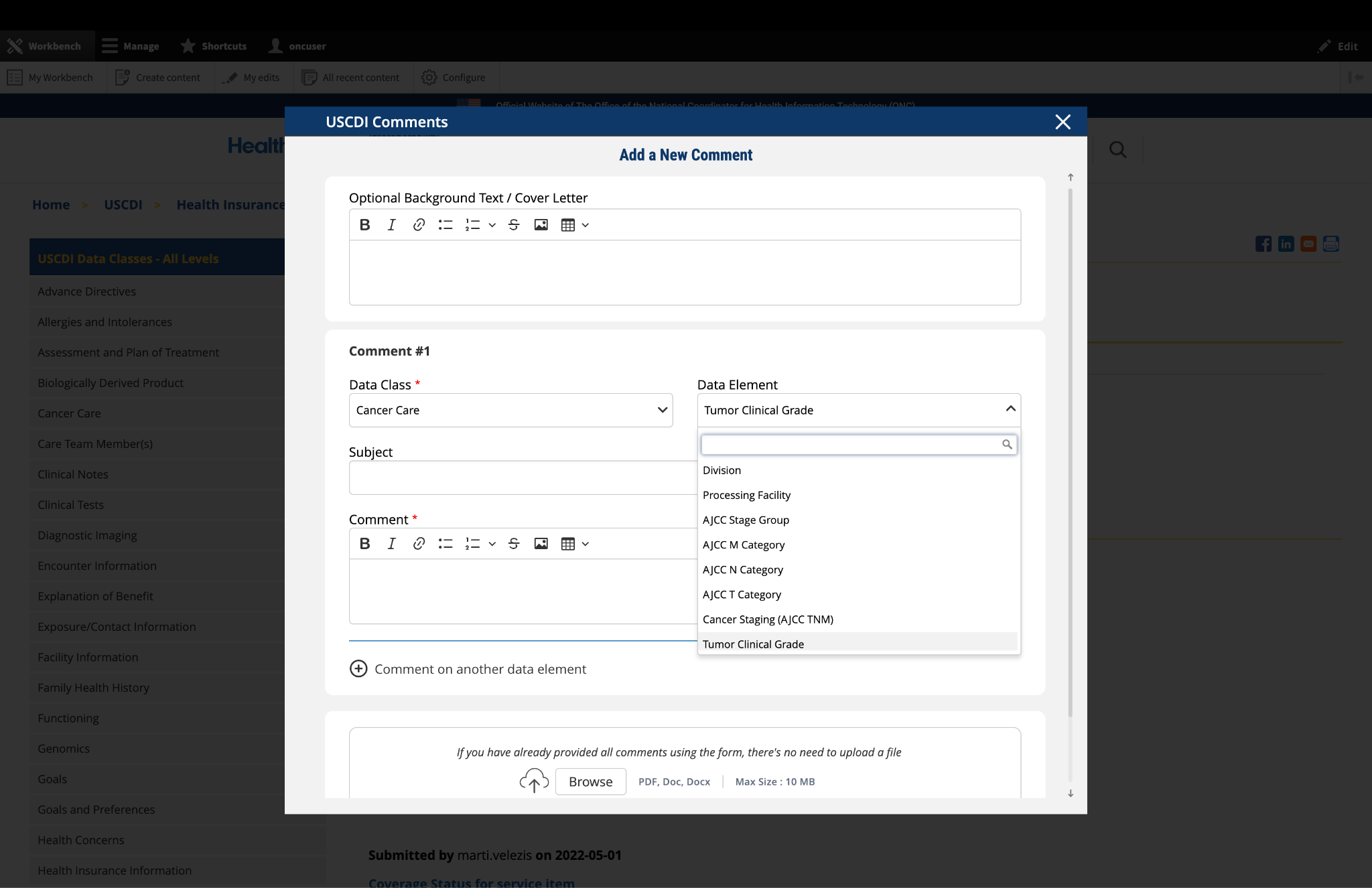
Fig 1 The "Data Class" and "Data Element" dropdown menus allow users to specify the exact content they wish to comment on.
If you cannot find the appropriate data class or element for your comment:
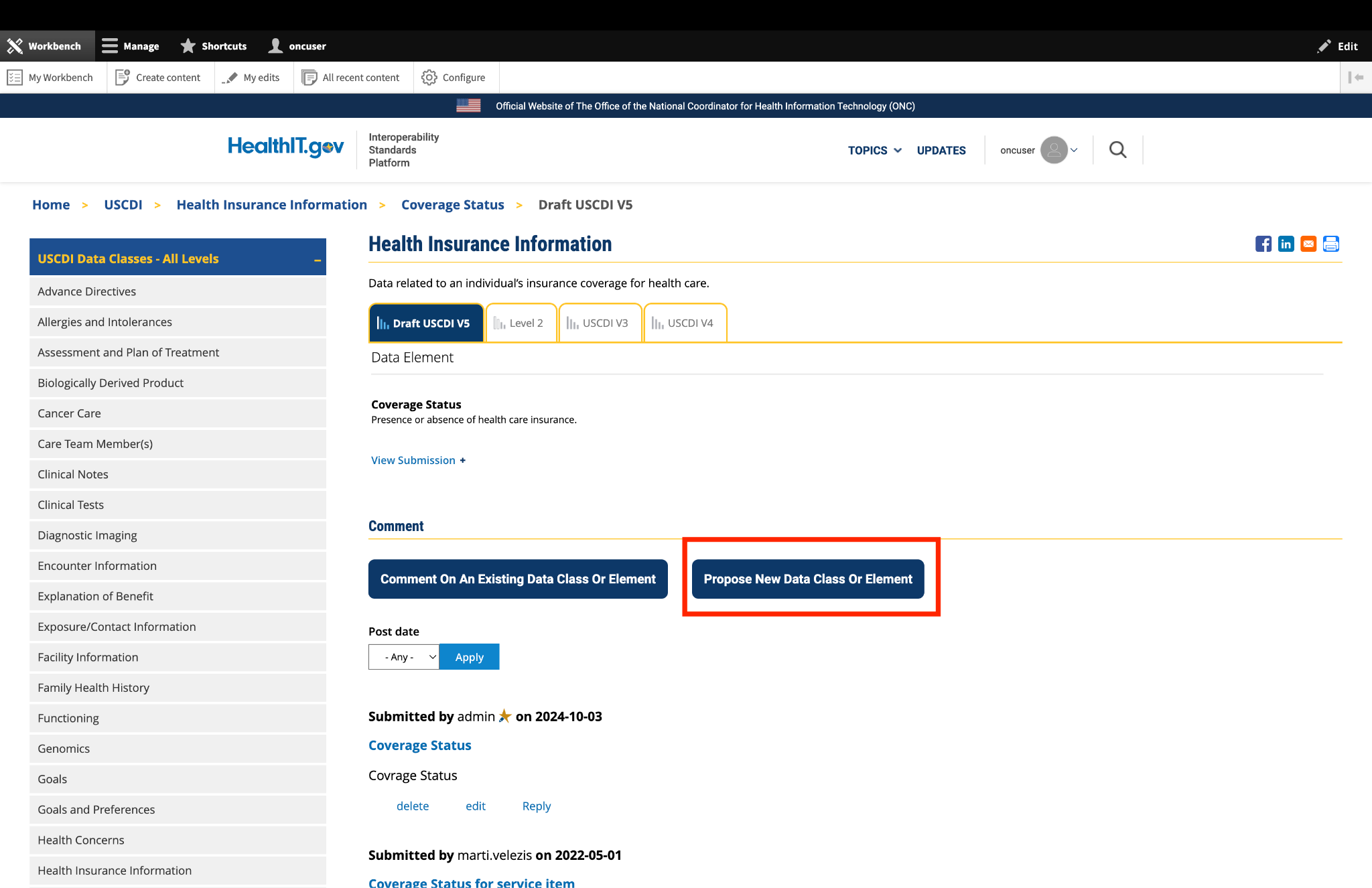
Fig 2 The "Propose a New Data Class or Data Element" button redirects users to the ONDEC Submission System for proposing new data elements not currently available in the system.
Fill out the required fields in the comment form:
Subject: Enter a brief, descriptive title that summarizes your comment. This helps reviewers quickly understand the nature of your feedback.
Comment: In this field, provide the full details of your comment or feedback. Be as clear and specific as possible about your suggestions, concerns, or observations. Include any relevant details that support your position.
If you need to comment on multiple data classes or elements:
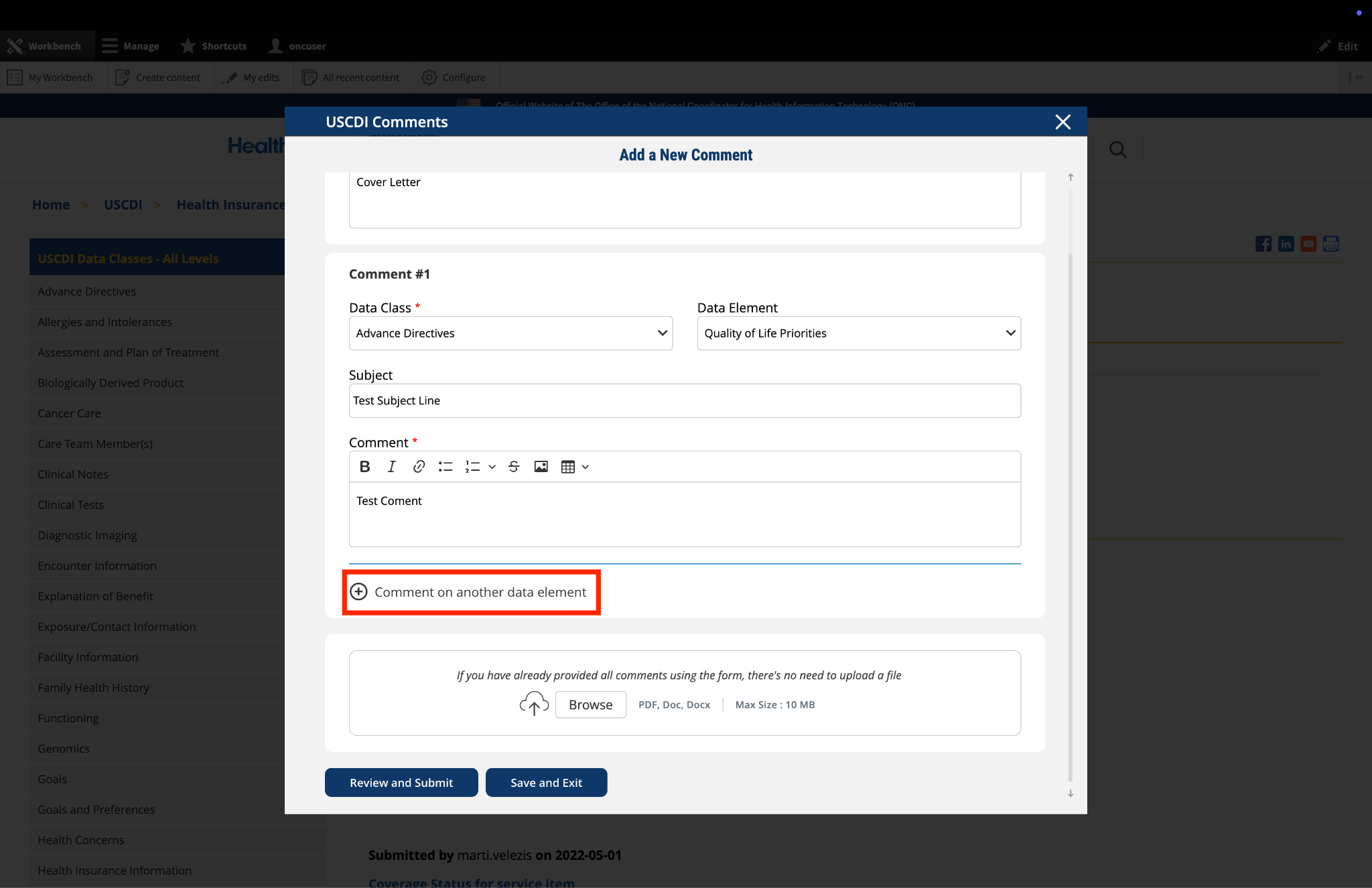
Fig 3 The "Comment on another data element" link enables users to create multiple comments addressing different elements within a single submission.
The platform allows you to upload supporting documentation to enhance your comment:
Important: If you have already entered your comments using the form fields, there is no need to upload duplicate content in PDF format. The file upload feature is intended for supplementary materials only. Please avoid uploading files that contain the same information already provided in your comment text.
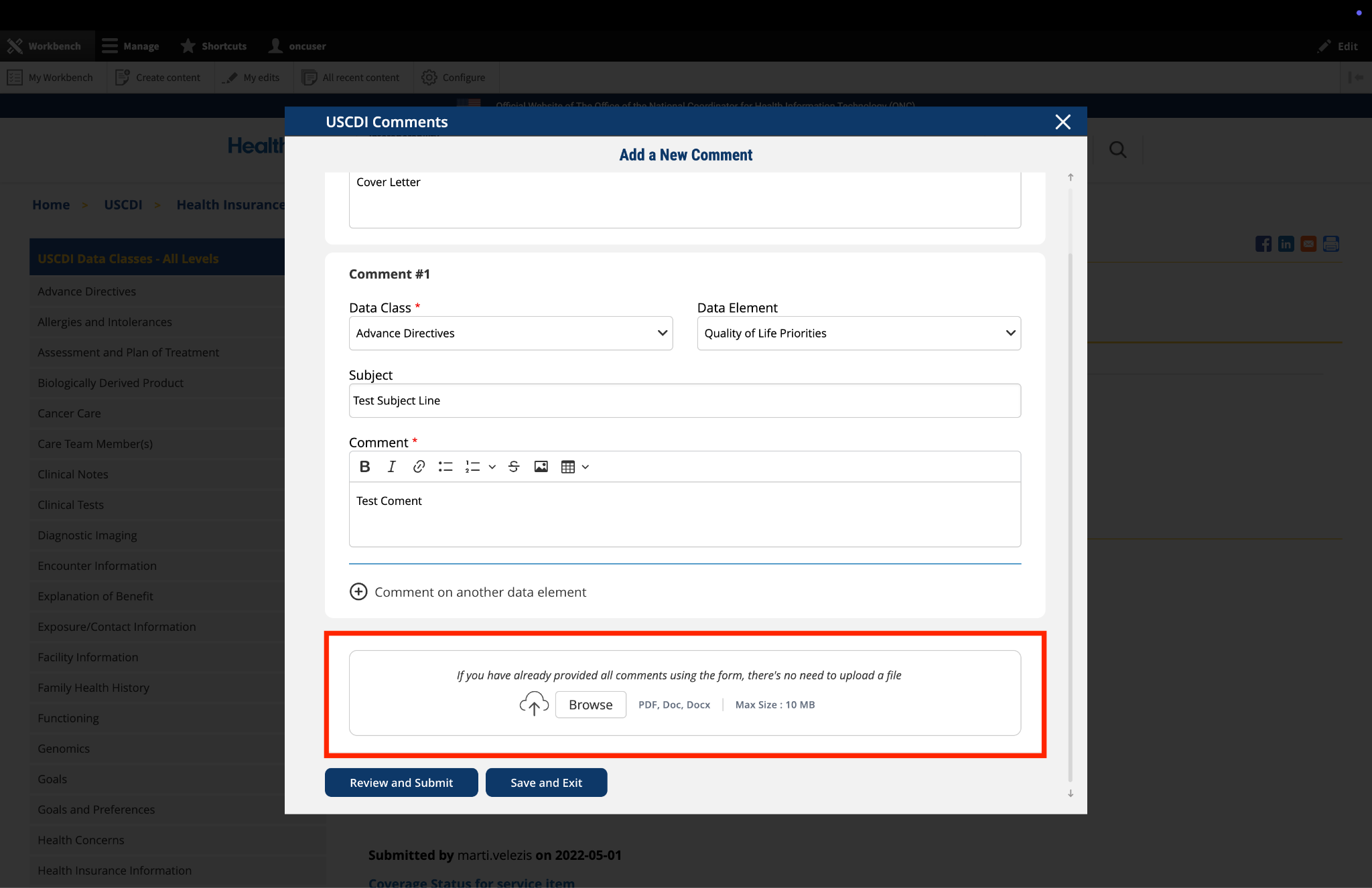
Fig 4 The "File Upload" section permits users to attach supporting documentation that supplements their written comments.
If you need to pause your work and return to complete your comment later:
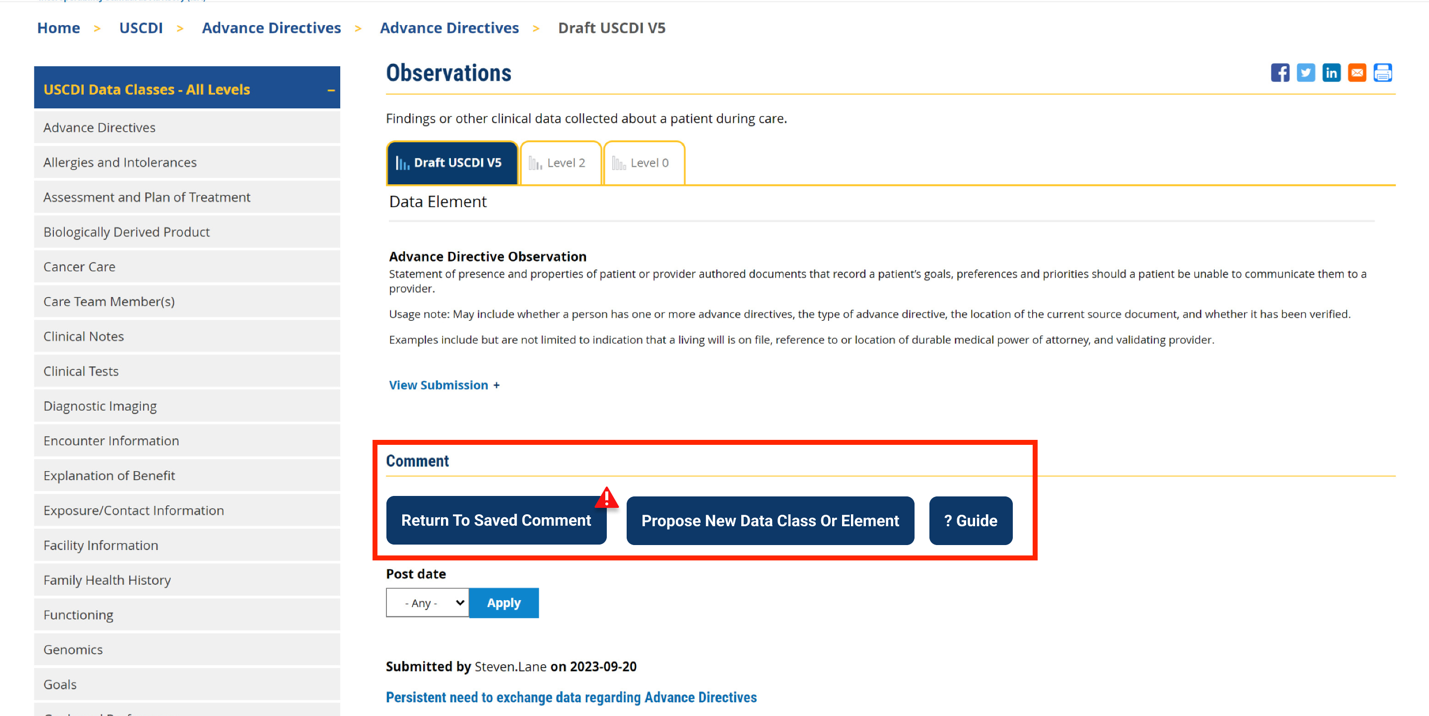
Fig 5 A red triangle with exclamation mark indicator appears next to the “Return to saved Comment” button when draft comments are saved in the system.
Once you have completed your comment:
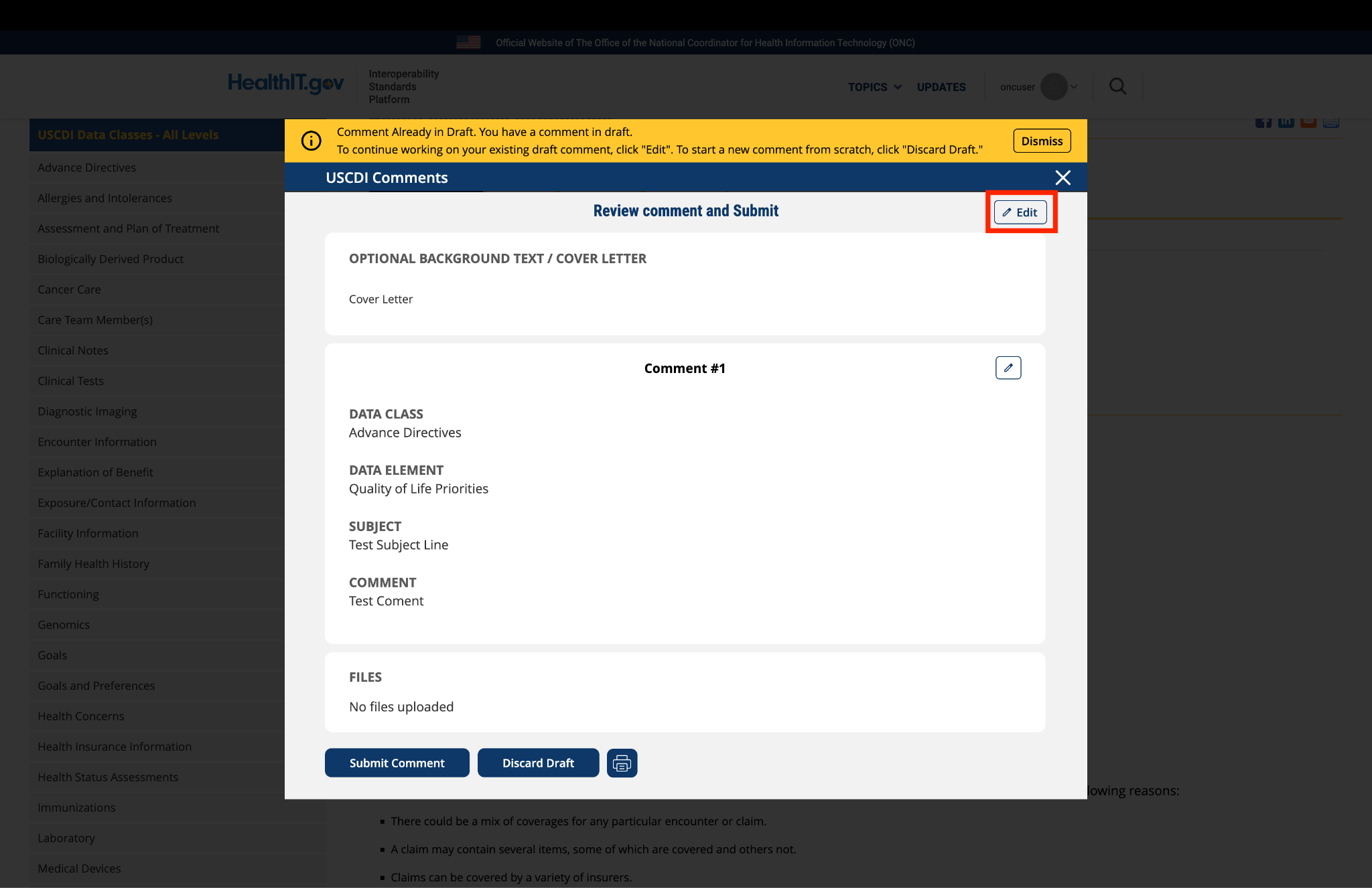
Fig 6 The review screen allows users to verify comment content and make any necessary modifications before final submission.
Submitted by NCQA on
NCQA and PACIO Recommendation: Health Status Assessment Class
Recommendation
National Committee for Quality Assurance (NCQA) and the PACIO (Post-Acute Care InterOperability) Project* jointly recommend that USCDI clarifies the scope of the Health Status Assessment data class to include both the assessment (LOINC) and the result or answer of that assessment (LOINC answer codes, SNOMED CT, or quantitative result). Currently in USCDI v7, it is unclear among the Health Status Assessment data class’s data elements whether both the assessment and the result/answer are required, whereas this distinction is clear in other data classes (e.g., Vital Signs, Allergies and Intolerances). Specifically, we recommend:
Rationale
For patient care, care coordination and quality measurement across care settings, knowing that both the health status assessment occurred and the result of that assessment is critical for making care decisions, determining any additional testing, diagnoses, procedures or interventions (i.e., education) that may be required, and for reimbursement. While the completion of a health status assessment does not always result directly in a diagnosis or procedure represented by other USCDI/USCDI+ data elements, the results of health status assessments are used in conjunction with other data related to the patient to guide care. The clarification of scope of this data class to include both the assessment and its result will support consistent implementation and exchange of critical data for patient care across a large breath of care settings.
In addition, supporting the capture of both assessments and their results, as supported by the IMPACT Act and its push to support standardized patient assessment data, has the potential to support acute and post-acute (PAC) providers and facilities in identifying health issues, reducing unnecessary repeat assessments, supporting care coordination, and improving patient safety and quality of care, as documented in a systematic review and its complementary update, interviews with clinicians, and AHRQ funded demonstration projects. Supporting clear capture of assessments and their results also aligns with current CMS data gathering methods, as viewable in their MDS data explorer that synthesizes facility-provided data about assessments and their results/outcomes.
USCDI Level Criteria
Current standards: Both assessment information and results are covered across various standards.
Current use: Our recommendation meets Level 2, as both assessments and results are captured, stored, or accessed in multiple production EHRs or other HIT modules from more than one developer.
Current exchange levels: Our recommendation meets Level 2, as there are more than two production EHRs or other HIT modules using available interoperability standards to exchange both assessment and results data.
Breadth of applicability: Our recommendation meets Level 2, as use cases for capturing/exchanging both assessment information and results apply to most care settings.
* The PACIO (Post-Acute Care Interoperability) Project, established February 2019, is a collaborative effort between industry, government, and other stakeholders, that aims to advance interoperable health information exchange between post-acute care (PAC) providers, patients, and other key stakeholders across health care.
NCQA PACIO_Health Status Assessment_USCDIv8.pdf