Assessments of a health-related matter of interest, importance, or worry to a patient, patient’s authorized representative, or patient’s healthcare provider that could identify a need, problem, or condition.

Data Element

Applicable Vocabulary Standard(s)

Functional Status

Assessment of a patient’s capabilities, or their risks of development or worsening of a condition or problem. (e.g., fall risk, pressure ulcer risk, alcohol use)

  • Logical Observation Identifiers Names and Codes (LOINC®) version 2.72
Disability Status

Assessments of a patient’s physical, cognitive, intellectual, or psychiatric disabilities. (e.g., vision, hearing, memory, activities of daily living)

  • Logical Observation Identifiers Names and Codes (LOINC®) version 2.72
Mental/Cognitive Status

Assessment of a patient's level of cognitive functioning. (e.g., alertness, orientation, comprehension, concentration, and immediate memory for simple commands)

  • Logical Observation Identifiers Names and Codes (LOINC®) version 2.72
Pregnancy Status

State or condition of being pregnant or intent to become pregnant. (e.g., pregnant, not pregnant, intent to become pregnant, unknown)

Health Concerns

Health-related issue or worry. (e.g., weight gain, cancer risk)

Smoking Status

Assessment of a patient's smoking behaviors.

  • SNOMED International, Systematized Nomenclature of Medicine Clinical Terms (SNOMED CT®) U.S. Edition, March 2022 Release

Data Element

Applicable Vocabulary Standard(s)

Functional Status

Assessment of a patient’s capabilities, or their risks of development or worsening of a condition or problem. (e.g., fall risk, pressure ulcer risk, alcohol use)

  • Logical Observation Identifiers Names and Codes (LOINC®) version 2.72
Disability Status

Assessments of a patient’s physical, cognitive, intellectual, or psychiatric disabilities. (e.g., vision, hearing, memory, activities of daily living)

  • Logical Observation Identifiers Names and Codes (LOINC®) version 2.72
Mental/Cognitive Status

Assessment of a patient's level of cognitive functioning. (e.g., alertness, orientation, comprehension, concentration, and immediate memory for simple commands)

  • Logical Observation Identifiers Names and Codes (LOINC®) version 2.72
Pregnancy Status

State or condition of being pregnant or intent to become pregnant. (e.g., pregnant, not pregnant, intent to become pregnant, unknown)

Health Concerns

Health-related issue or worry. (e.g., weight gain, cancer risk)

Smoking Status

Assessment of a patient's smoking behaviors.

  • SNOMED International, Systematized Nomenclature of Medicine Clinical Terms (SNOMED CT®) U.S. Edition, March 2022 Release

Data Element

Applicable Vocabulary Standard(s)

Functional Status

Assessment of a person’s ability to perform activities of daily living and activities across other situations and settings.

Examples include but are not limited to bathing, ambulation, and preparing a light meal.

  • Logical Observation Identifiers Names and Codes (LOINC®) version 2.74
Disability Status

Assessments of a patient’s physical, cognitive, intellectual, or psychiatric disabilities.

Examples include but are not limited to vision, hearing, memory, and activities of daily living.

  • Logical Observation Identifiers Names and Codes (LOINC®) version 2.74
Mental/Cognitive Status

Assessment or screening for the presence of a mental or behavioral problem.

Examples include but are not limited to alertness, orientation, comprehension, concentration, and immediate memory for simple commands.

  • Logical Observation Identifiers Names and Codes (LOINC®) version 2.74
Pregnancy Status

State or condition of being pregnant or intent to become pregnant.

Examples include but are not limited to pregnant, not pregnant, and unknown.

Alcohol Use

Evaluation of a patient's consumption of alcohol.

Examples include but are not limited to history of alcohol use, alcohol use disorder identification test and alcohol intake assessment.

  • Logical Observation Identifiers Names and Codes (LOINC®) version 2.74
Health Concerns

Health-related issue or worry.

Examples include but are not limited to weight gain and cancer risk.

Substance Use

Evaluation of a patient's reported use of drugs or other substances for non-medical purposes or in excess of a valid prescription.

Examples include but are not limited to substance use disorder score, and substance use knowledge assessment. 

  • Logical Observation Identifiers Names and Codes (LOINC®) version 2.74
Physical Activity

Evaluation of a patient's current or usual exercise.

Examples include but are not limited to frequency of muscle-strengthening physical activity, days per week with moderate to strenuous physical activity, and minutes per day of moderate to strenuous physical activity.

  • Logical Observation Identifiers Names and Codes (LOINC®) version 2.74
SDOH Assessment

Screening questionnaire-based, structured evaluation for a Social Determinants of Health-related risk.

Examples include but are not limited to food, housing, and transportation security.

  • Logical Observation Identifiers Names and Codes (LOINC®) version 2.74
  • Systematized Nomenclature of Medicine Clinical Terms (SNOMED CT®) U.S. Edition, March 2023 Release
Smoking Status

Assessment of a patient’s smoking behaviors.

Examples include but are not limited to pack-years and current use.

  • Systematized Nomenclature of Medicine Clinical Terms (SNOMED CT®) U.S. Edition, March 2023 Release

Data Element

Applicable Vocabulary Standard(s)

Functional Status

Assessment of a person’s ability to perform activities of daily living and activities across other situations and settings.

Examples include but are not limited to Functional Assessment Standardized Items (FASI) and Timed Up and Go (TUG).

  • Logical Observation Identifiers Names and Codes (LOINC®) version 2.77
Disability Status

Assessment of a patient’s physical, cognitive, or psychiatric disabilities.

Examples include but are not limited to American Community Survey, Veterans RAND Health Survey, and Patient-Reported Outcomes Measurement Information System (PROMIS).

  • Logical Observation Identifiers Names and Codes (LOINC®) version 2.77
Mental/Cognitive Status

Assessment or screening for the presence of a mental or behavioral problem.

Examples include but are not limited to Confusion Assessment Method (CAM) and Patient Health Questionnaire (PHQ).

  • Logical Observation Identifiers Names and Codes (LOINC®) version 2.77
Pregnancy Status

State or condition of being pregnant or intent to become pregnant.

Examples include but are not limited to pregnant, not pregnant, and unknown.

Alcohol Use

Evaluation of a patient's consumption of alcohol.

Examples include but are not limited to history of alcohol use, alcohol use disorder identification test, and alcohol intake assessment.

  • Logical Observation Identifiers Names and Codes (LOINC®) version 2.77
Health Concerns

Health-related issue or worry.

Examples include but are not limited to weight gain and cancer risk.

Substance Use

Evaluation of a patient's reported use of drugs or other substances for non-medical purposes or in excess of a valid prescription.

Examples include but are not limited to substance use disorder score, and substance use knowledge assessment.

  • Logical Observation Identifiers Names and Codes (LOINC®) version 2.77
Physical Activity

Evaluation of a patient's current or usual exercise.

Examples include but are not limited to frequency of muscle-strengthening physical activity, days per week with moderate to strenuous physical activity, and minutes per day of moderate to strenuous physical activity.

  • Logical Observation Identifiers Names and Codes (LOINC®) version 2.77
SDOH Assessment

Screening questionnaire-based, structured evaluation for a Social Determinants of Health-related risk.

Examples include but are not limited to food, housing, and transportation security.

  • Logical Observation Identifiers Names and Codes (LOINC®) version 2.77
  • SNOMED Clinical Terms (SNOMED CT®) U.S. Edition, March 2024 Release
Smoking Status

Assessment of a patient’s smoking behaviors.

Examples include but are not limited to pack-years and current use.

  • SNOMED Clinical Terms (SNOMED CT®) U.S. Edition, March 2024 Release

Data Element

Applicable Vocabulary Standard(s)

Functional Status

Assessment of a person’s ability to perform activities of daily living and activities across other situations and settings.

Examples include but are not limited to Functional Assessment Standardized Items (FASI) and Timed Up and Go (TUG).

  • Logical Observation Identifiers Names and Codes (LOINC®) version 2.80
Disability Status

Assessment of a patient’s physical, cognitive, or psychiatric disabilities.

Examples include but are not limited to American Community Survey, Veterans RAND Health Survey, and Patient-Reported Outcomes Measurement Information System (PROMIS).

  • Logical Observation Identifiers Names and Codes (LOINC®) version 2.80
Mental/Cognitive Status

Assessment or screening for the presence of a mental or behavioral problem.

Examples include but are not limited to Confusion Assessment Method (CAM) and Patient Health Questionnaire (PHQ).

  • Logical Observation Identifiers Names and Codes (LOINC®) version 2.80
Pregnancy Status

State or condition of being pregnant or intent to become pregnant.

Examples include but are not limited to pregnant, not pregnant, and unknown.

Alcohol Use

Evaluation of a patient's consumption of alcohol.

Examples include but are not limited to history of alcohol use, alcohol use disorder identification test, and alcohol intake assessment.

  • Logical Observation Identifiers Names and Codes (LOINC®) version 2.80
Health Concerns

Health-related issue or worry.

Examples include but are not limited to weight gain and cancer risk.

Substance Use

Evaluation of a patient's reported use of drugs or other substances for non-medical purposes or in excess of a valid prescription.

Examples include but are not limited to substance use disorder score, and substance use knowledge assessment.

  • Logical Observation Identifiers Names and Codes (LOINC®) version 2.80
Physical Activity

Evaluation of a patient's current or usual exercise.

Examples include but are not limited to frequency of muscle-strengthening physical activity, days per week with moderate to strenuous physical activity, and minutes per day of moderate to strenuous physical activity.

  • Logical Observation Identifiers Names and Codes (LOINC®) version 2.80
SDOH Assessment

Screening questionnaire-based, structured evaluation for a Social Determinants of Health-related risk.

Examples include but are not limited to food, housing, transportation security, and health literacy.

  • Logical Observation Identifiers Names and Codes (LOINC®) version 2.80
  • SNOMED Clinical Terms® (SNOMED CT®) U.S. Edition, March 2025 Release
Smoking Status

Assessment of a patient’s smoking behaviors.

Examples include but are not limited to pack-years and current use.

  • SNOMED Clinical Terms® (SNOMED CT®) U.S. Edition, March 2025 Release

Data Element

Applicable Vocabulary Standard(s)

Functional Status

Assessment of a person’s ability to perform activities of daily living and activities across other situations and settings.

Examples include but are not limited to Functional Assessment Standardized Items (FASI) and Timed Up and Go (TUG).

  • Logical Observation Identifiers Names and Codes (LOINC®)
Disability Status

Assessment of a patient’s physical, cognitive, or psychiatric disabilities.

Examples include but are not limited to American Community Survey, Veterans RAND Health Survey, and Patient-Reported Outcomes Measurement Information System (PROMIS).

  • Logical Observation Identifiers Names and Codes (LOINC®)
Mental/Cognitive Status

Assessment or screening for the presence of a mental or behavioral problem.

Examples include but are not limited to Confusion Assessment Method (CAM) and Patient Health Questionnaire (PHQ).

  • Logical Observation Identifiers Names and Codes (LOINC®)
Pregnancy Status

State or condition of being pregnant or intent to become pregnant.

Examples include but are not limited to pregnant, not pregnant, and unknown.

  • Logical Observation Identifiers Names and Codes (LOINC®)
Alcohol Use

Evaluation of a patient's consumption of alcohol.

Examples include but are not limited to history of alcohol use, alcohol use disorder identification test, and alcohol intake assessment.

  • Logical Observation Identifiers Names and Codes (LOINC®)
Substance Use

Evaluation of a patient's reported use of drugs or other substances for non-medical purposes or in excess of a valid prescription.

Examples include but are not limited to substance use disorder score, and substance use knowledge assessment.

  • Logical Observation Identifiers Names and Codes (LOINC®)
Physical Activity

Evaluation of a patient's current or usual exercise.

Examples include but are not limited to frequency of muscle-strengthening physical activity, days per week with moderate to strenuous physical activity, and minutes per day of moderate to strenuous physical activity.

  • Logical Observation Identifiers Names and Codes (LOINC®)
SDOH Assessment

Screening questionnaire-based, structured evaluation for a Social Determinants of Health-related risk.

Examples include but are not limited to food, housing, transportation security, and health literacy.

  • Logical Observation Identifiers Names and Codes (LOINC®)
  • SNOMED Clinical Terms® (SNOMED CT®) U.S. Edition
Tobacco Use

Assessment of a patient’s tobacco product use behaviors. Tobacco products may include smokeless tobacco, cigarette tobacco, cigars, pipe tobacco, waterpipes (or hookah), nicotine pouches, nicotine gum, e-cigarettes, and other electronic nicotine delivery systems.

Examples include but are not limited to duration and frequency of use, mode of consumption, and type of product used.
 

  • Logical Observation Identifiers Names and Codes (LOINC®)
  • SNOMED Clinical Terms® (SNOMED CT®) U.S. Edition
Nutrition Assessment

Assessment of a person’s dietary intake.

Data Element

Nutrition Assessment

Comment

NCQA recommendation: Health Status Assessment clarification

Recommendation: Clarify the scope of the Health Status Assessment data class to include both the assessment (LOINC) and the result or answer of that assessment (often LOINC answer codes, SNOMED CT, or quantitative result).

o    Update the data class definition: Assessments and results of a health-related matter of interest, importance, or worry to a patient, patient’s authorized representative, or patient’s healthcare provider that could identify a need, follow-up care or a condition.
o    Update the individual element definitions to include the assessment and result as well as LOINC and SNOMED for applicable vocabulary.
Example: Tobacco Use: Assessment and result of a patient’s tobacco product use behaviors. Applicable Vocabulary: LOINC, SNOMED CT
Example: Mental/Cognitive Status: Assessment or screening and result for the presence of a mental or behavioral problem. Applicable Vocabulary: LOINC, SNOMED CT
 

Rationale: In patient care and quality measurement, knowing that both the assessment occurred and the result of that assessment is critical for care decisions and determining any additional testing, diagnoses, procedures or interventions (i.e., education) that may be required. The completion of a health status assessment does not always result directly in a diagnosis or procedure represented by other USCDI/USCDI+ data elements, but instead the result of health status assessments are used in conjunction with other data related to the patient to guide care. The clarification of scope of this data class will support consistent implementation and exchange of critical data for patient care. Additionally, applying this recommendation would align to the setup of other data classes, including Clinical Tests, Diagnostic Imaging and Laboratory. In NCQA’s HEDIS, we assess both that a specific assessment/screening was completed (i.e. tobacco use or depression screening) and that a result of the assessment/screening is present. The result is often used to assess for appropriate follow-up, which may include rescreening, counseling, or other follow-up interventions. 

PACIO supports NCQA’s Health Status Assessment recommendation

The PACIO Community support’s NCQA’s recommendation to clarify the scope of the Health Status Assessment data class to include both the assessment and the result or answer of that assessment because it complements existing data capture and transmission practices that are required in post-acute care (PAC) settings. In order to receive Medicare reimbursement from CMS, PAC facilities are required to complete specific standardized assessments, the results of which are reported to CMS as mandated by Congress. NCQA’s recommendation to include the results along with the assessment would facilitate the capture and transmission of these required data, supporting care quality for patients and fiscal stewardship for the Medicare program. Therefore, the PACIO community support’s NCQA’s recommendation as it complements existing workflows and supports quality care.
NCQA Support for PACIO recommendation: ICF Terminology

NCQA supports the PACIO Project Community recommendation to add ICF terminology to the Mental/Cognitive Status and Functional Status data elements to support capture and exchange of important health status information.

PACIO: Include FCMs in Functional & Mental/Cognitive Status

Data Elements: Functional Status (link) and Mental/Cognitive Status (link)

Data Class: Health Status Assessments (link)


Recommendation: Expand the definitions of Functional Status and Mental/Cognitive Status data elements to include the American Speech-Language-Hearing Association (ASHA) Functional Communication Measures (FCMs) that have assigned LOINC codes.


Rationale: The PACIO Project Community* recommends including Functional Communication Measures (FCMs), in the definitions of the Functional Status and Mental/Cognitive Status data elements to demonstrate the capability in each of these domains for capturing communication specific health information. Inclusion of FCMs would help support patient- and caregiver-centered care as well as patient engagement.


Current Standards

  • Background: FCMs were created by the American Speech-Language-Hearing Association (ASHA) and are is “used to describe an individual’s functional abilities over the course of speech-language pathology intervention in a given level of care,” according to an ASHA user guide. Eight FCMs have been endorsed by NQF for use in the Physician Quality Reporting System, including: Attention, Memory, Motor Speech, Reading, Spoken Language Comprehension, Spoken Language Expression, Swallowing, and Writing. Of note, an NQF-endorsed measure “tends to be one that is generally regarded as a high-quality measure” by CMS.
  • Practice: FCMs have been designed to support compliance with CMS requirements to “report all outcomes data on all Medicare Part B beneficiaries receiving speech-language services” (ASHA). In 2007, CMS recommended use of the NOMS, which includes FCMs, by speech language pathologists.
  • Technical: LOINC includes FCM items, organized within a swallowing panel (99852-6), cognition panel (99788-2), Multi-Modal Functional Communication panel (99828-6), Spoken Language Comprehension panel (99836-9), and Spoken Language Expression panel (99844-3).


Current Use

  • Practice: The FCMs are the discipline standard for speech, language, and hearing assessments and are included in the National Outcomes Measurement System (NOMS). The purpose is to support longitudinal collection of speech, language, and hearing data to inform clinical care and support quality service provision (ASHA).
    • Technical: There is a NOMS "SMART on FHIR" app for Epic and Cerner Customers that supports collection of FCM data (NOMS includes FCM items).


Current Exchange

  • The NOMS is available via a “SMART on FHIR” app for Epic and Cerner Customers also supports transmission of FCM data via its inclusion in NOMS.
    • The FCM data are captured under both Functional Status and Cognitive Status as part of a published PACIO Personal and Functional Engagement (PFE) FHIR IG STU-2, compliant with US Core 6.1.0. 


Breadth of Applicability 

  • FCM data are collected by clinicians, including Speech Language Pathologists (SPLs) and audiologists, across various care settings, including post-acute care settings (ASHA). The FCM is not a required to be collected, but is collected by these specialties to support care (example of FCM usage available via ASHA NOMS data reports for 671,628 adults and 3,967 children ages 3-5).
  • FCM data can be electronically submitted to the NOMS system by participating organizations that integrate NOMS into their EHR systems.


Applicable standards: The PACIO Community recommends including FCMs within the Functional Status and Mental/Cognitive Status data elements.


* The PACIO (Post-Acute Care Interoperability) Project, established February 2019, is a collaborative effort between industry, government, and other stakeholders, that aims to advance interoperable health information exchange between post-acute care (PAC) providers, patients, and other key stakeholders across health care.

Add ICF to Functional Status and Mental/Cognitive Status

Data Elements: Functional Status (link) and Mental/Cognitive status (link)

Data Class: Health Status Assessments (link)


Recommendation: Add the International Classification of Functioning, Disability and Health (ICF) as an Applicable Vocabulary Standard to the Functional Status and Mental/Cognitive Status data elements.


Rationale: The PACIO Project Community* recommends the addition of the World Health Organization’s International Classification of Functioning, Disability and Health (ICF) as an Applicable Vocabulary Standard to the Functional Status and Mental/Cognitive Status data elements. 

  • Background: The ICF was created in 2001 to classify functioning domains as a consequence of health conditions, which are not completely captured by any other codeable concept ontology. The ICF ontology allows data to be categorized as mental, cognitive, and functional factors, as well as health concerns in a machine-readable way.
  • Clinical utility: Research suggests that the ICF is useful in supporting clinical care related to functioning, cognition, and addressing health concerns, as demonstrated by evidence of its validation in post-acute physiotherapy, usefulness in assessing long-term psychiatric care, and utility in evaluating a telerehabilitation intervention.
  • Support: The ICF has been recommended or endorsed by The National Committee on Vital and Health Statistics (NCVHS) and the American Physical Therapy Association. The American Speech-Language-Hearing Association (ASHA) provides information on how to use the ICF. CMS and the CDC provide guidance on using the ICF.


Current Standards

  • The WHO developed the ICF to be ICD complementary, with ICF covering functioning and environmental factors and ICD covering diseases and other health problems. As described by the WHO, “ICF is based on the same foundation as ICD…and share the same set of extension codes that enable documentation at a higher level of detail.”
  • The PACIO Project makes extensive use of the ICF ontology in the Personal and Functional Engagement (PFE) FHIR IG STU-2 as category codes for several profiles. 


Current Use

  • All post-acute care (PAC) vendors can collect data pertaining to Functional Status and Mental/Cognitive Status given CMS requirements to collect such data required for PAC facilities to get reimbursement (e.g., Minimum Data Set for nursing facilities, Inpatient Rehabilitation Facility Patient Assessment Instrument [IRF-PAI]); therefore, all vendors have the potential to apply ICF to the volume of Functional Status and Mental/Cognitive Status data already collected.
    • Three vendors have deployed the PACIO PFE IG that integrates the ICF: Global Alliant, Open City Labs, and Patient Centric Solutions. 


Current Exchange


* The PACIO (Post-Acute Care Interoperability) Project, established February 2019, is a collaborative effort between industry, government, and other stakeholders, that aims to advance interoperable health information exchange between post-acute care (PAC) providers, patients, and other key stakeholders across health care.

PACIO Recommends ICF as an Applicable Vocabulary Standard

  • Data Class: Health Status Assessments
  • Data Element: Functional Status, Health Concerns, and Mental/Cognitive Status (V3)
  • Recommendation: Add the International Classification of Functioning, Disability and Health (ICF) as an Applicable Vocabulary Standard to the Functional Status, Health Concerns, and Mental/Cognitive Status data elements.
  • Rationale: The PACIO Project Community* recommends the addition of the International Classification of Functioning, Disability and Health (ICF) as an Applicable Vocabulary Standard to the Functional Status, Health Concerns, and Mental/Cognitive Status data elements. No other ontologies meet the needs of post-acute care as ICF can, according to consensus from PFE PAC practitioners within the PACIO community. 
    • The ICF was created in 2001 to classify functioning domains as a consequence of health conditions, which are not completely captured by any other codeable concept ontology. The ICF ontology allows users to precisely categorize information on mental, cognitive, and functional factors, as well as health concerns. It can also build in an additional layer of clinical context which is also machine readable. The overarching ICF domains include body structures, body functions, activities and participation, personal factors, and environmental factors.
    • Extensive guidance has also been created based on the use of ICF as a foundation for using Natural Language Processing models to capture free-text functioning information from electronic health records, specifically in the domains relating to mobility, self-care & domestic life, interpersonal interactions and relationships, and communication & cognition.
  • Data Standard: Use of ICF has been recommended or endorsed by The National Committee on Vital and Health Statistics (NCVHS) and the American Physical Therapy Association. The American Speech-Language-Hearing Association (ASHA) provides information on how to use the ICF. CMS and the CDC provide guidance on using the ICF.
    • The PACIO Project makes extensive use of the ICF ontology in the Personal and Functional Engagement (PFE) FHIR IG STU-2 as category codes for several profiles. This information captures both clinician insight and in the case of health concerns, allows patients to relate clinical problems to the way they interact with the world in a discrete and machine-readable way. For instance, a patient that has a problem with the structures in their knee might categorize their concern using concepts that describe their ability to play a sport, exercise, navigate their home, or participate in their community, while their rehab team may use concepts related to the functions and structures of the knee, thus building a more complete picture of the problem and why it is important to the patient.
  • Data Exchange: The three largest post-acute care vendors collect data pertaining to Functional Status and Mental/Cognitive Status. The standards for this data collection are being phased in and will be fully implemented within the next year. These initiatives will contribute to the standardization of data elements encompassing the statuses mandated by CMS and contained in Section GG. Functional Abilities of tools represented in CMS’s Data Element Library (DEL).
  • * The PACIO (Post-Acute Care Interoperability) Project, established February 2019, is a collaborative effort between industry, government, and other stakeholders, that aims to advance interoperable health information exchange between post-acute care (PAC) providers, patients, and other key stakeholders across health care.

PACIO Recommends ASHA FCMs as an Applicable Vocabulary Standard

  • Data Class: Health Status Assessments
  • Data Element: Functional Status and Mental/Cognitive Status
  • Recommendation: Expand the definitions of Functional Status and Mental/Cognitive Status data elements to include the American Speech-Language-Hearing Association (ASHA) Functional Communication Measures (FCMs) that have assigned LOINC codes.
  • Rationale: The PACIO Project Community* recommends including the American Speech-Language-Hearing Association (ASHA) Functional Communication Measures (FCMs) that have been assigned LOINC codes for comprehension and expression, e.g., 99836-9 and 99844-3, in the definitions of the Functional Status and Mental/Cognitive Status data elements to demonstrate the capability in each of these domains for capturing communication specific health information. The FCMs are the discipline standard for speech, language, and hearing assessments and are part of a National Outcomes Measurement System (NOMS) that includes data since initial collection started in 1998 and has been recommended by CMS for use by speech language pathologists in 2007. In 2013, ASHA launched a new version of NOMS to help report functional outcomes to support compliance with CMS requirements to “report all outcomes data on all Medicare Part B beneficiaries receiving speech-language services.” Given the importance of the NOMS, which includes FCMs, in assessing patients with speech and language needs, as well as alignment of NOMS with CMS requirements (along with CMS recommendations to use NOMS), including the definitions of Functional Status and Mental/Cognitive Status would be in line with the data that are already being collected systematically. This would help support interoperability of systems used by organizations already collecting these data. 
  • Data Standard: The FCM data are captured under both Functional Status and Cognitive Status as part of a published Personal and Functional Engagement (PFE) FHIR IG STU-2, compliant with US Core 6.1.0.
  • * The PACIO (Post-Acute Care Interoperability) Project, established February 2019, is a collaborative effort between industry, government, and other stakeholders, that aims to advance interoperable health information exchange between post-acute care (PAC) providers, patients, and other key stakeholders across health care.

PACIO Recommends ICF as an Applicable Vocabulary Standard

  • Data Class: Health Status Assessments
  • Data Element: Functional Status, Health Concerns, and Mental/Cognitive Status (Draft V6)
  • Recommendation: Add the International Classification of Functioning, Disability and Health (ICF) as an Applicable Vocabulary Standard to the Functional Status, Health Concerns, and Mental/Cognitive Status data elements.
  • Rationale: The PACIO Project Community* recommends the addition of the International Classification of Functioning, Disability and Health (ICF) as an Applicable Vocabulary Standard to the Functional Status, Health Concerns, and Mental/Cognitive Status data elements. No other ontologies meet the needs of post-acute care as ICF can. The ICF was created in 2001 to classify functioning domains as a consequence of health conditions, which are not completely captured by any other codeable concept ontology. The ICF ontology allows users to precisely categorize information on mental, cognitive, and functional factors, as well as health concerns. It can also build in an additional layer of clinical context which is also machine readable. The overarching ICF domains include body structures, body functions, activities and participation, personal factors, and environmental factors.
  • Extensive guidance has also been created based on the use of ICF as a foundation for using Natural Language Processing models to capture free-text functioning information from electronic health records, specifically in the domains relating to mobility, self-care & domestic life, interpersonal interactions and relationships, and communication & cognition.
  • Use of ICF has been recommended or endorsed by The National Committee on Vital and Health Statistics (NCVHS) and the American Physical Therapy Association. The American Speech-Language-Hearing Association (ASHA) provides information on how to use the ICF. CMS and the CDC provide guidance on using the ICF.
  • The PACIO Project makes extensive use of the ICF ontology in the Personal and Functional Engagement (PFE) FHIR IG STU-2 as category codes for several profiles. This information captures both clinician insight and in the case of health concerns, allows patients to relate clinical problems to the way they interact with the world in a discrete and machine-readable way. For instance, a patient that has a problem with the structures in their knee might categorize their concern using concepts that describe their ability to play a sport, exercise, navigate their home, or participate in their community, while their rehab team may use concepts related to the functions and structures of the knee, thus building a more complete picture of the problem and why it is important to the patient.
  • * The PACIO (Post-Acute Care Interoperability) Project, established February 2019, is a collaborative effort between industry, government, and other stakeholders, with the goal of establishing a framework for the development of FHIR implementation guides to facilitate health information exchange.

PACIO Recommends ASHA FCMs as an Applicable Vocabulary Standard

  • Data Class: Health Status Assessments
  • Data Element: Functional Status and Mental/Cognitive Status (Draft V6)
  • Recommendation: Expand the definitions of Functional Status and Mental/Cognitive Status data elements to include the American Speech-Language-Hearing Association (ASHA) Functional Communication Measures (FCMs) that have assigned LOINC codes.
  • Rationale: The PACIO Project Community* recommends including the American Speech-Language-Hearing Association (ASHA) Functional Communication Measures (FCMs) that have been assigned LOINC codes, e.g., 99836-9 and 99844-3, in the definitions of the Functional Status and Mental/Cognitive Status data elements to demonstrate the capability in each of these domains for capturing communication specific health information. The FCMs are the discipline standard for speech, language, and hearing assessments and are part of a National Outcomes Measurement System (NOMS) that includes data since initial collection started in 1998 and has been recommended by CMS for use by speech language pathologists in 2007. In 2013, ASHA launched a new version of NOMS to help report functional outcomes to support compliance with CMS requirements to “report all outcomes data on all Medicare Part B beneficiaries receiving speech-language services”. Given the importance of the NOMS, which includes FCMs, in assessing patients with speech and language needs, as well as alignment of NOMS with CMS requirements (along with CMS recommendations to use NOMS), including the definitions of Functional Status and Mental/Cognitive Status would be in line with the data that are already being collected systematically. This would help support interoperability of systems used by organizations already collecting these data. 
  • These data are captured under both Functional Status and Cognitive Status as part of a published FHIR IG titled Personal Functioning and Engagement v 1.0.0, and in another FHIR IG currently in ballot under the same title v 2.0.0, compliant with US Core 6.1.0.
  • * The PACIO (Post-Acute Care Interoperability) Project, established February 2019, is a collaborative effort between industry, government, and other stakeholders, with the goal of establishing a framework for the development of FHIR implementation guides to facilitate health information exchange.

PACIO Requests Expansion of Definitions

  • Data Class: Currently Health Status Assessments (V5) 
  • Data Element: Functional Status (V5) and Mental/Cognitive Status (V5) 
  • Recommendation: Expand the definitions of these data elements to include the American Speech–Language–Hearing Association (ASHA) Functional Communication Measures (FCMs) as possible assessments. 
  • Rationale: The PACIO (Post-Acute Care Interoperability) Project, established February 2019, is a collaborative effort between industry, government, and other stakeholders, with the goal of establishing a framework for the development of FHIR implementation guides to facilitate health information exchange. 
  • The PACIO Project recommends including the ASHA Functional Communication Measures (FCMs) in the definitions of these data elements to demonstrate the capability in each of these domains for capturing communication specific health information. 
  • These data are captured under both Functional Status and Cognitive Status as part of a published FHIR IG titled Personal Functioning and Engagement v 1.0.0, and in another FHIR IG currently in ballot under the same title v 2.0.0, compliant with US Core 6.1.0.

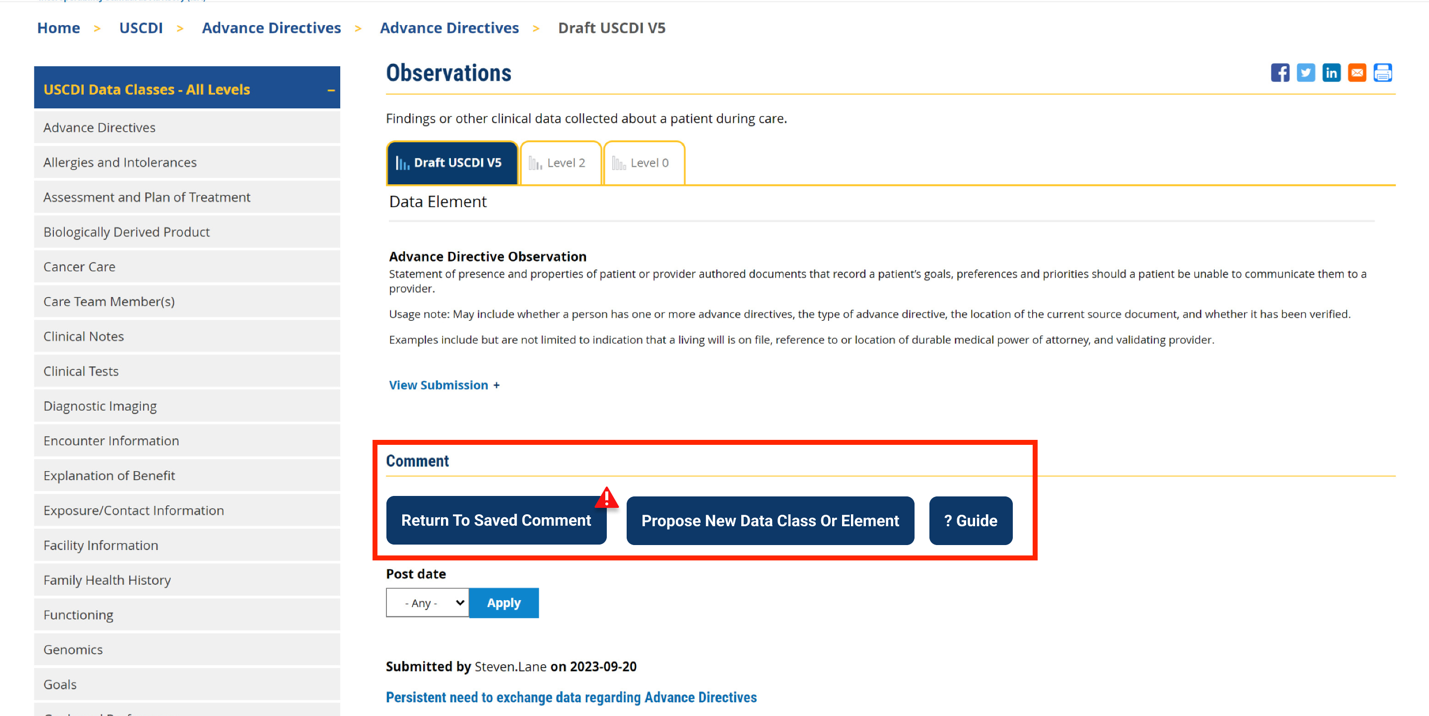
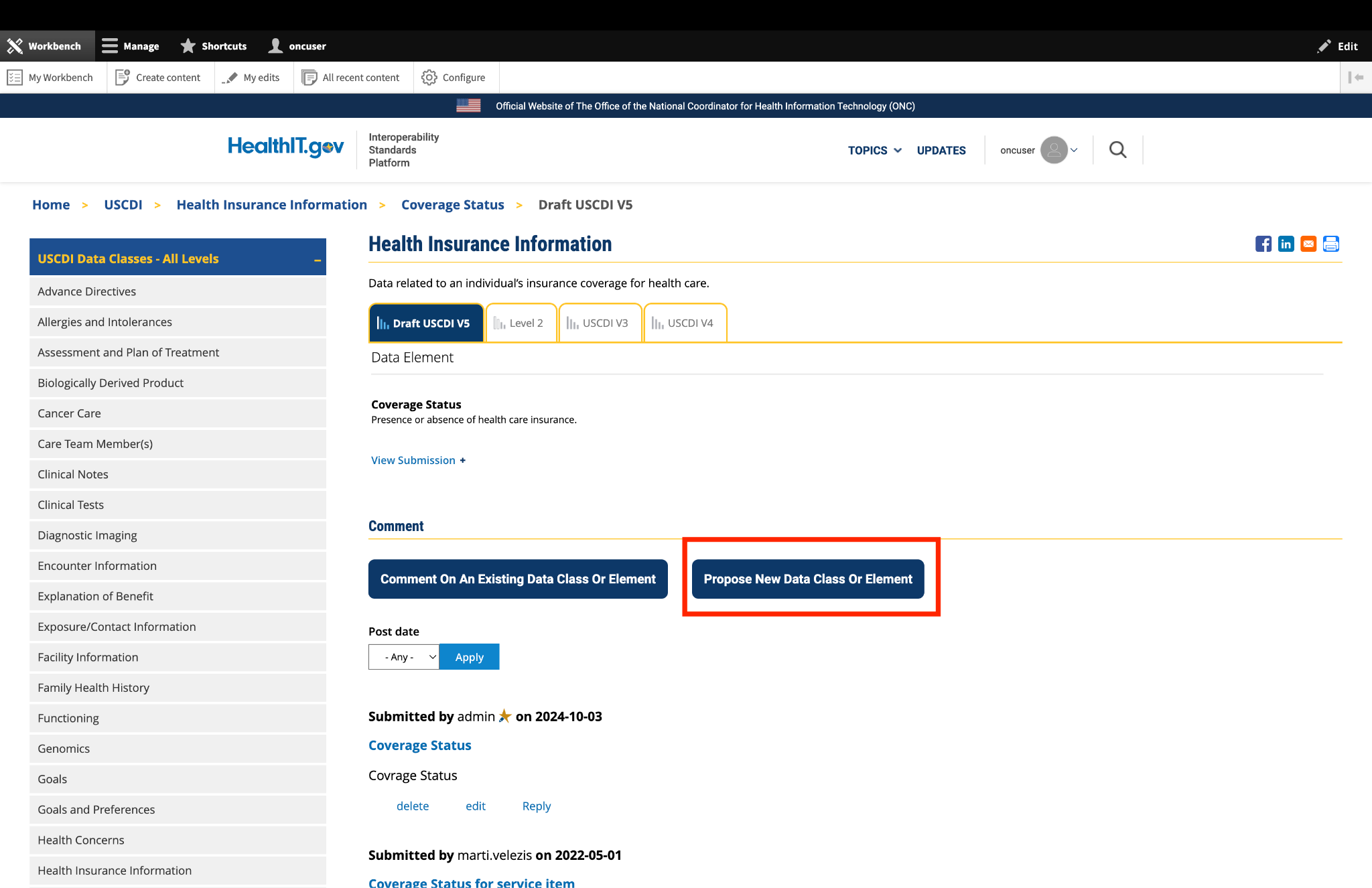
Log in or register to post comments

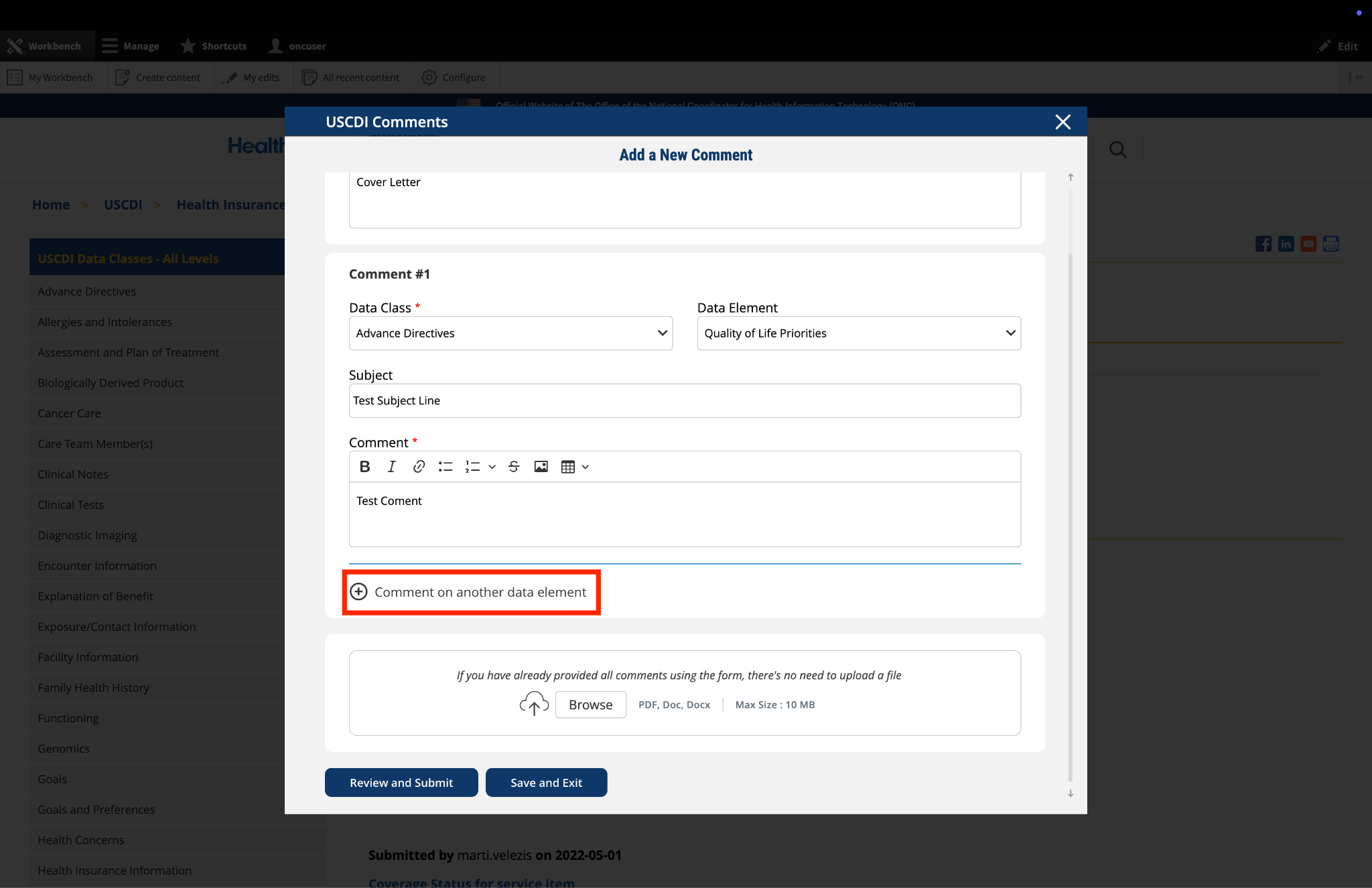
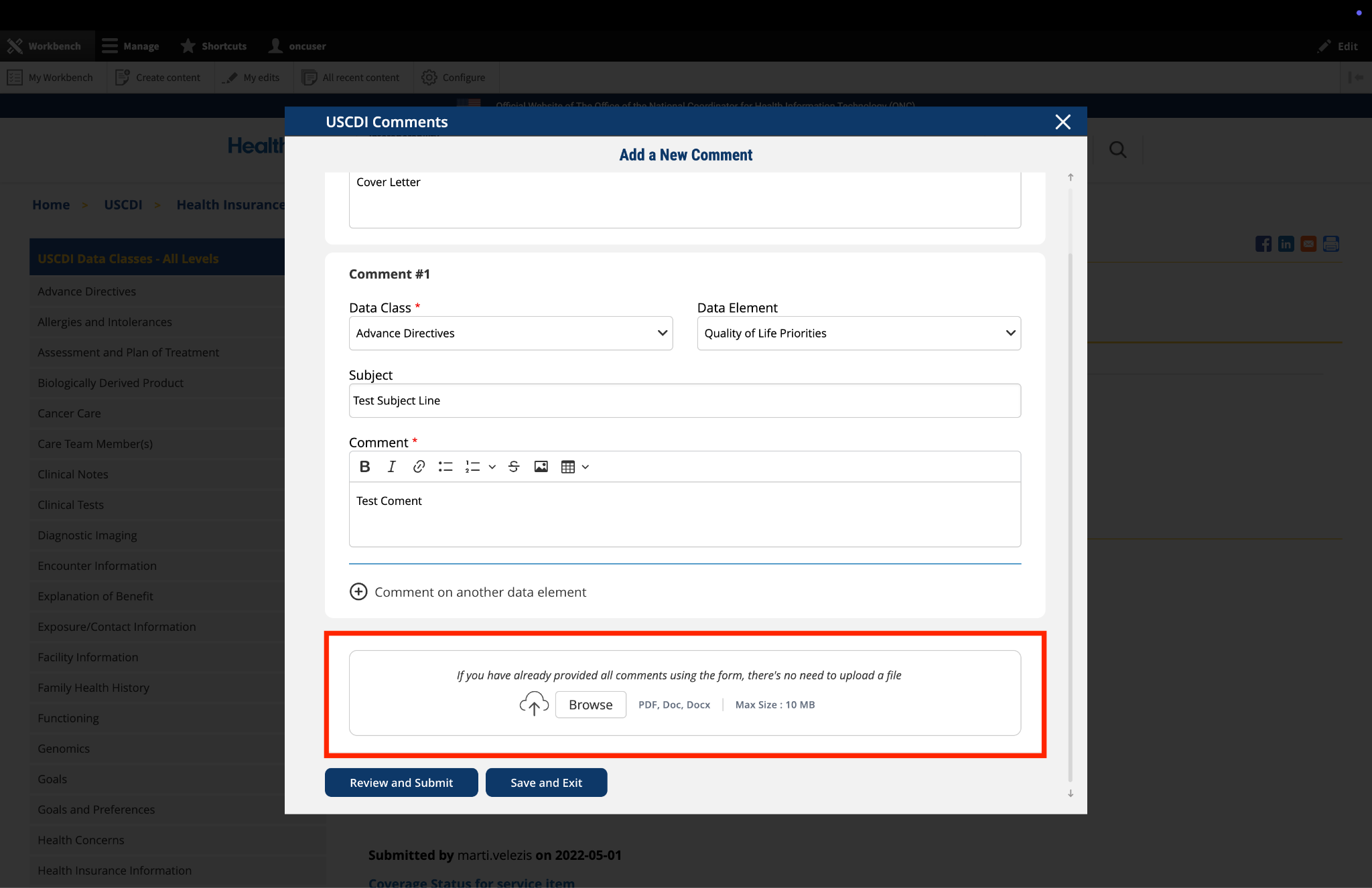
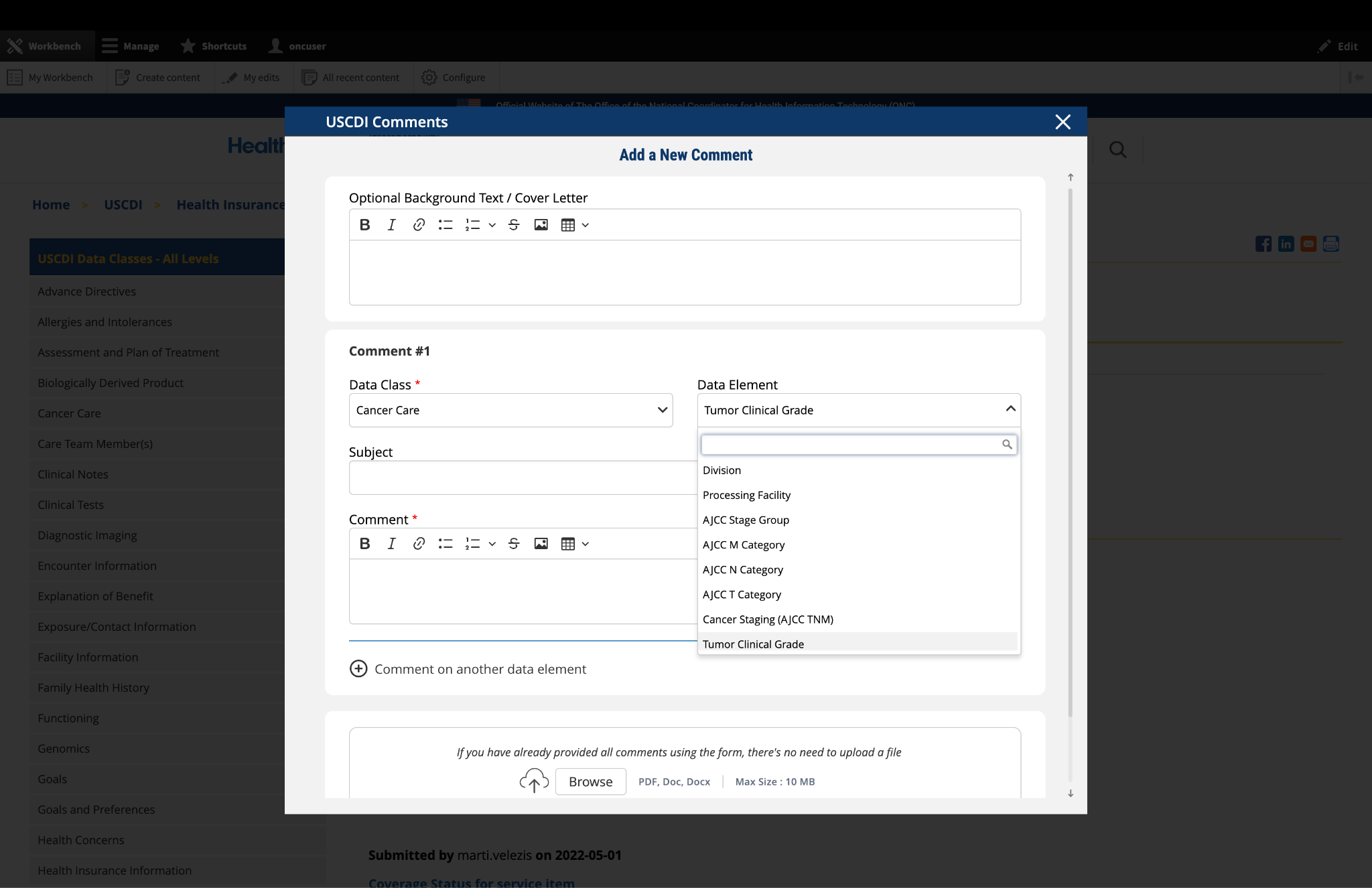
Add a New Comment

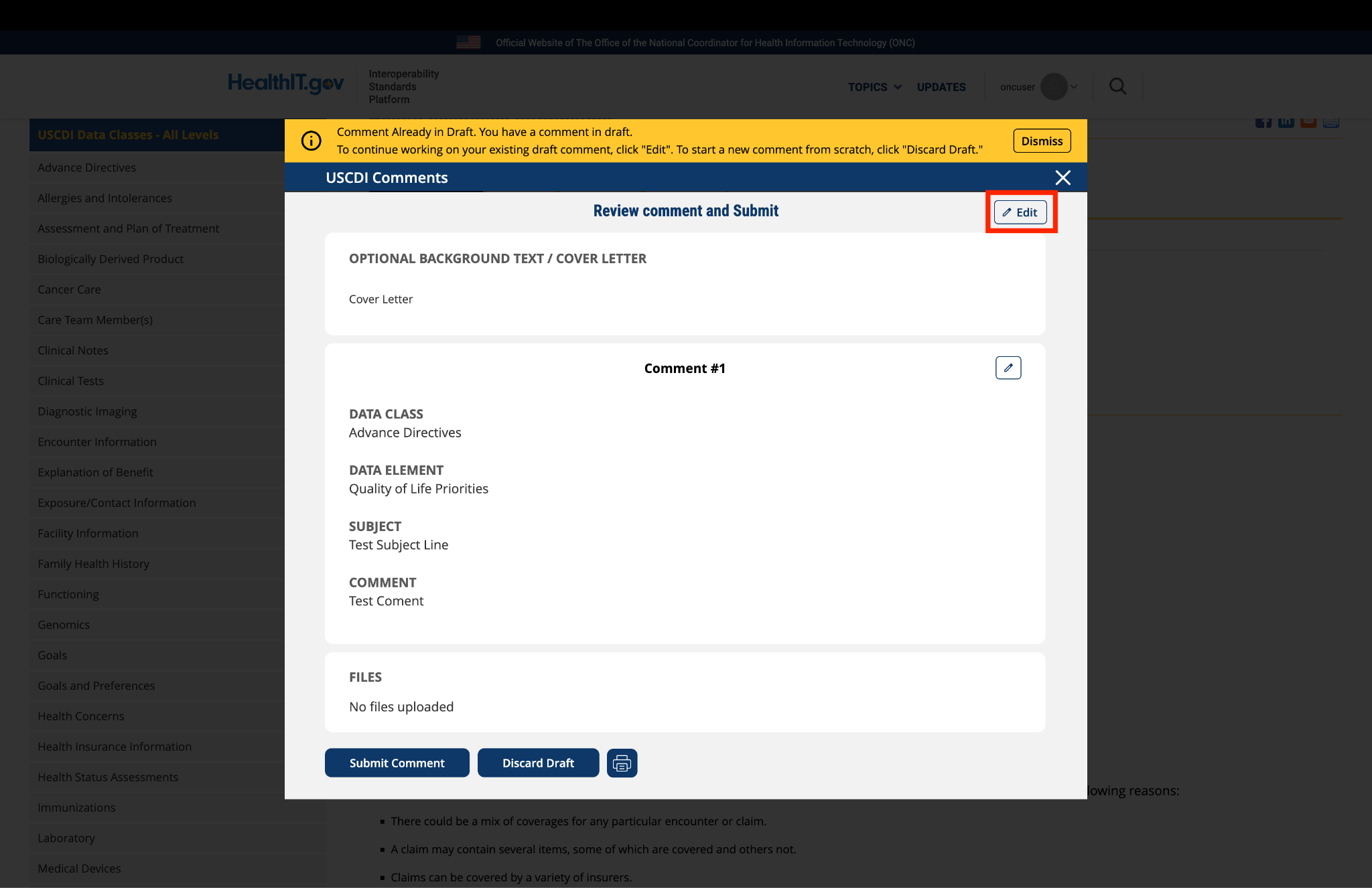
Review comment and Submit

Edit
Comment #1
PDF, Doc, Docx
Max Size : 10 MB