
Submitted by rdillaire on
CMS CCSQ supports CDC’s…
CMS CCSQ supports CDC’s recommendation to expand Medication Instructions definition to include Medication Request Status Reason, Priority, and Do Not Perform.
 Official Website of the Office of the National Coordinator for Health Information Technology
Pharmacologic agents used in the diagnosis, cure, mitigation, treatment, or prevention of disease.
Data Element |
||||||||||||||||||||||||||||||||||||||||||||||||
|---|---|---|---|---|---|---|---|---|---|---|---|---|---|---|---|---|---|---|---|---|---|---|---|---|---|---|---|---|---|---|---|---|---|---|---|---|---|---|---|---|---|---|---|---|---|---|---|---|
|
Medication Instructions
Description (*Please confirm or update this field for the new USCDI version*)
Directions for administering or taking a medication. Examples include but are not limited to prescription directions for taking a medication, and package instructions for over-the-counter medications. Usage notes: May include route, quantity, timing/frequency, and special instructions (PRN, sliding scale, taper). | ||||||||||||||||||||||||||||||||||||||||||||||||
|
||||||||||||||||||||||||||||||||||||||||||||||||
Submitted by rdillaire on
CMS CCSQ supports CDC’s recommendation to expand Medication Instructions definition to include Medication Request Status Reason, Priority, and Do Not Perform.
Submitted by BLampkins_CSTE on
| Medication data are critical for exchange with public health and is included in eCR standards. They are particularly important for STI programs, HIV and TB surveillance, as well as for public health response and surveillance for antimicrobial resistant pathogen infections. The ability to exchange data on prescribing of opioid medications in particular is of great importance to public health programs which aim to reduce opioid overdoses and deaths. |
Submitted by BLampkins_CSTE on
Medication data is critical for exchange with public health and is included in eCR standards. It is especially important for STI programs, HIV and TB surveillance as well as for public health response and surveillance for antimicrobial resistant pathogen infections. CSTE also strongly agrees that the ability to exchange data on prescribing of opioid medications in particular is of great importance to public health programs which aim to reduce opioid overdoses and deaths.
Submitted by CDC_DSMH_WG on
CDC supports the inclusion of this data element in USCDI v5 as it is an element that may be necessary for calculation of our digital quality metrics from FHIR data.
Submitted by kelly.clarke@j… on
Highly support and agree with the addition of this new data element. This will ensure patient safety during medication administration and when exchanging information, the receiver will have full image of medication.
Submitted by CDC_DSMH_WG on
NACCHO Comment: Support - Separate elements will ensure that LHDs receive coded values, rather than combined text. This will reduce the burden of data preparation on LHDs.
Submitted by pwilson@ncpdp.org on
NCPDP recommends updating the data element definition to “Directions for administering or taking a medication including route of administration (e.g., oral), dose quantity (e.g., take 1 pill), timing or hours of administration (e.g., once a day or every 12 hours), special instructions (e.g., as needed, for pain, for cough)
Submitted by hswmin on
The Texas Health Informatics Alliance (THIA) Policy and Standards Working Group supports the proposal for medication instructions. It is important to know if medications have been changed at discharge. It is frustrating for end-users to have to reconcile medications from outside entities. Patients can bring their discharge paperwork, but discharge paperwork is often lost during the follow-up process. The proposal for medication instructions may make it easier for physicians when receiving an accurate medication list from other institutions.
Submitted by gsgordon on
Considering MedicationRequest and most of its elements are Must Support in US Core, and the central aspect of prescription records in healthcare, I'm surprised that this isn't bread and butter part of USCDI
The "Optional Background Text / Cover Letter" field provides space for additional context or introductory information related to your comment.
If you wish to provide context, explanation, or an introduction to your comment, enter this information in the field labeled "Optional Background Text / Cover Letter." This is entirely optional and is most useful when submitting multiple related comments or when additional background would help reviewers understand your feedback.
If you are only commenting on a single data class or element, you may leave this field blank.
To specify which data class your comment addresses:
To specify which data element your comment addresses:
Note: Comments on a specific data element will appear on the respective data element page, while comments on a data class (without a specific element selected) will appear on the landing page for that data class.
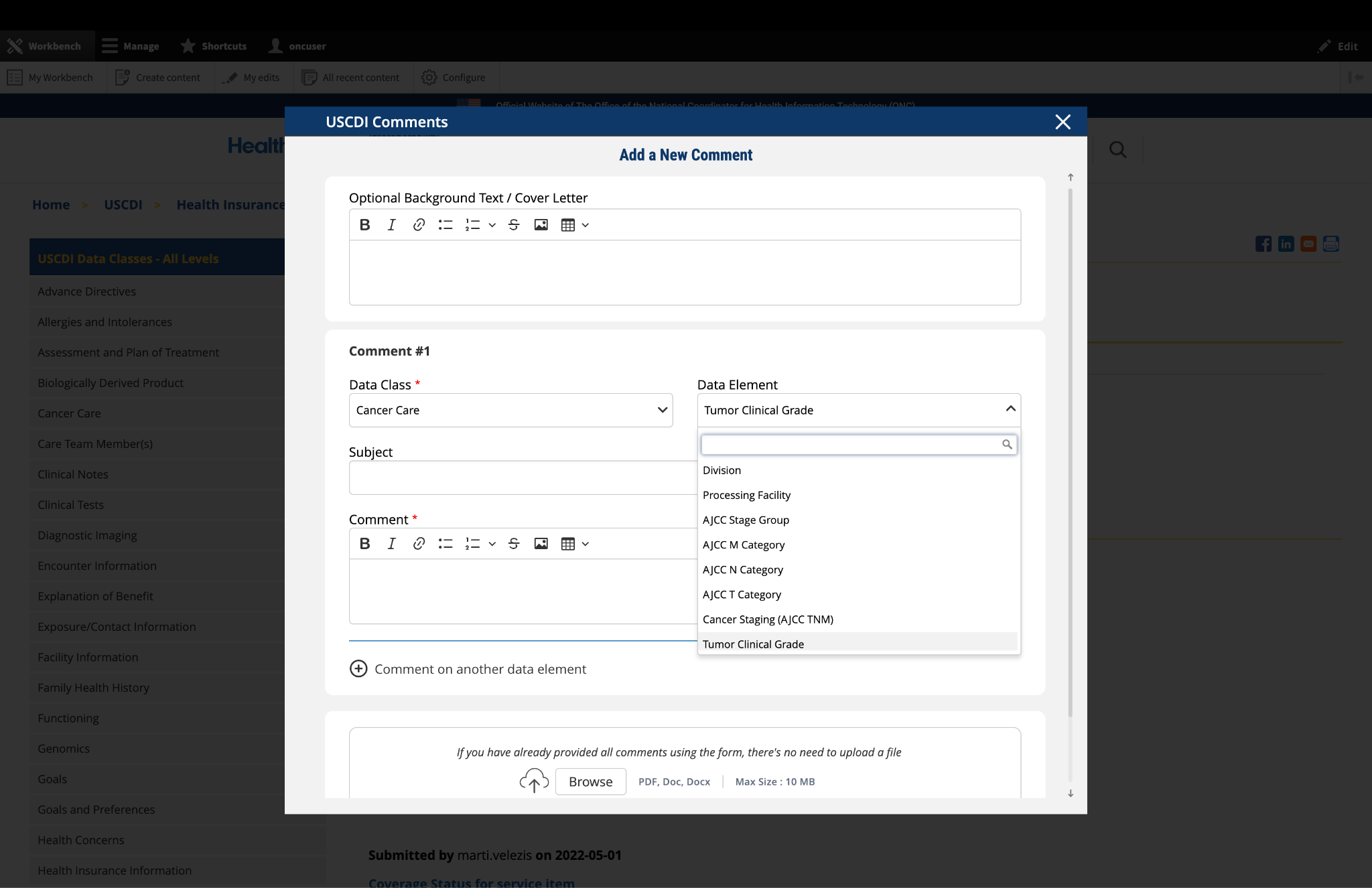
Fig 1 The "Data Class" and "Data Element" dropdown menus allow users to specify the exact content they wish to comment on.
If you cannot find the appropriate data class or element for your comment:
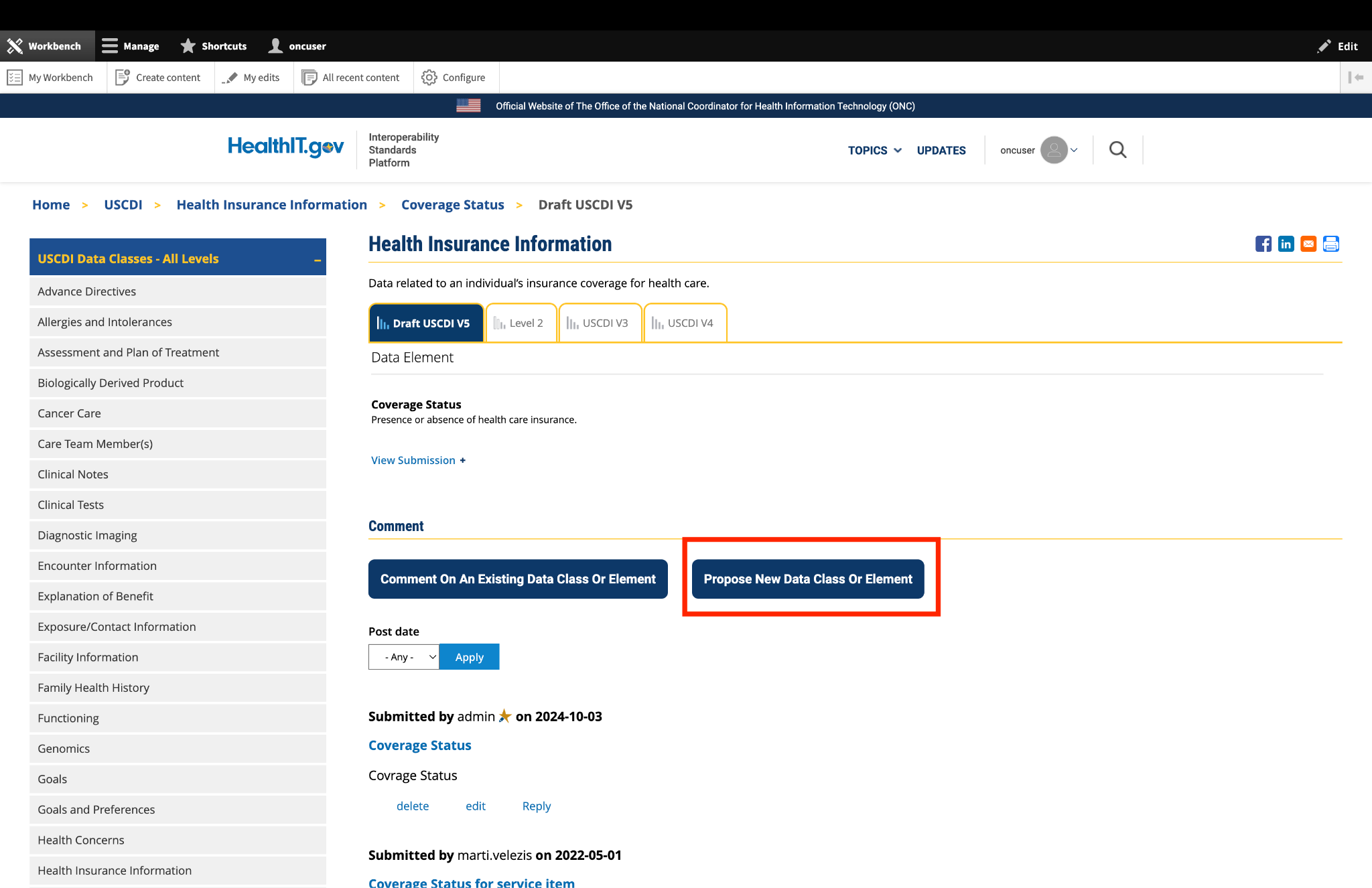
Fig 2 The "Propose a New Data Class or Data Element" button redirects users to the ONDEC Submission System for proposing new data elements not currently available in the system.
Fill out the required fields in the comment form:
Subject: Enter a brief, descriptive title that summarizes your comment. This helps reviewers quickly understand the nature of your feedback.
Comment: In this field, provide the full details of your comment or feedback. Be as clear and specific as possible about your suggestions, concerns, or observations. Include any relevant details that support your position.
If you need to comment on multiple data classes or elements:
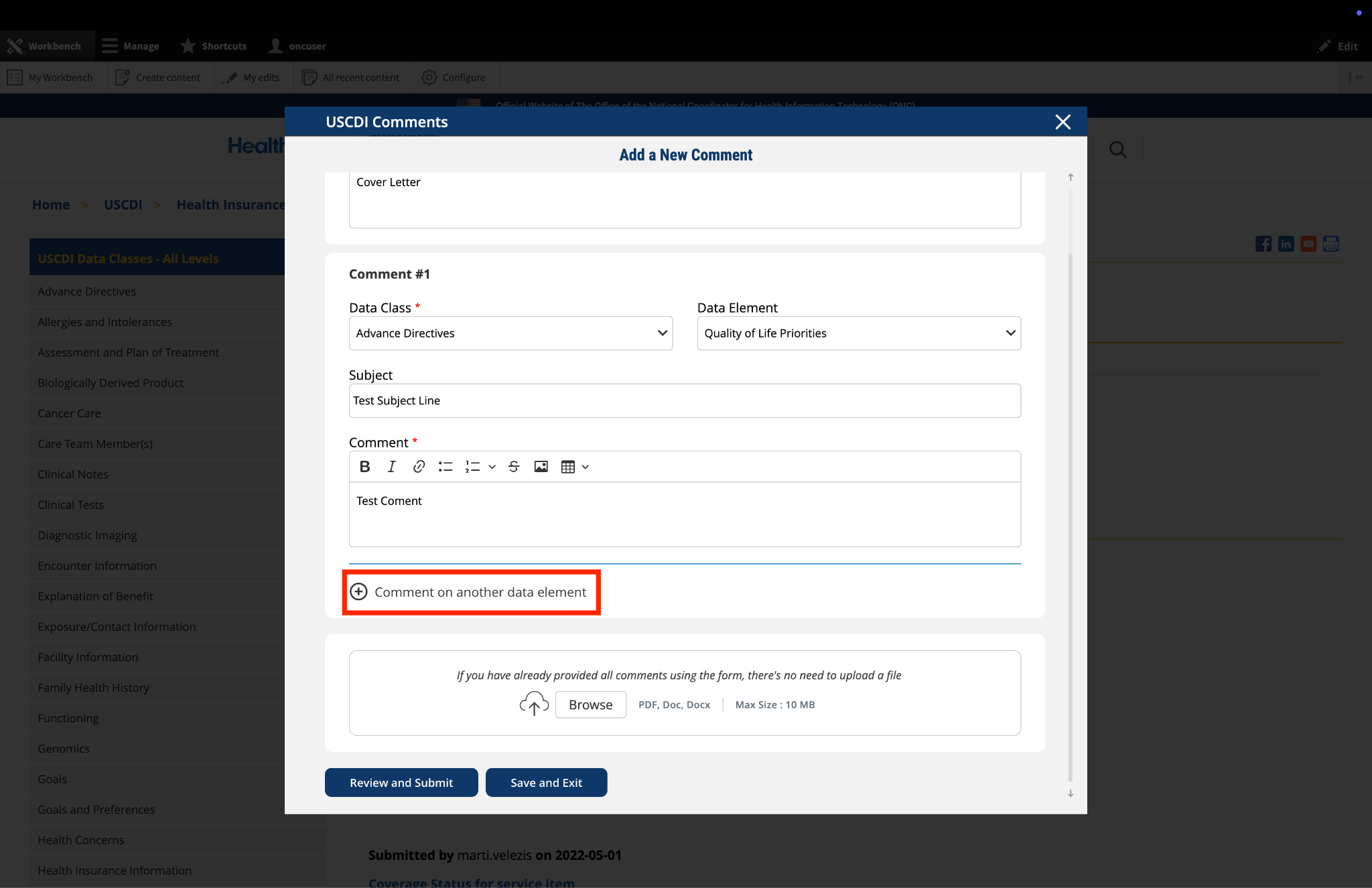
Fig 3 The "Comment on another data element" link enables users to create multiple comments addressing different elements within a single submission.
The platform allows you to upload supporting documentation to enhance your comment:
Important: If you have already entered your comments using the form fields, there is no need to upload duplicate content in PDF format. The file upload feature is intended for supplementary materials only. Please avoid uploading files that contain the same information already provided in your comment text.
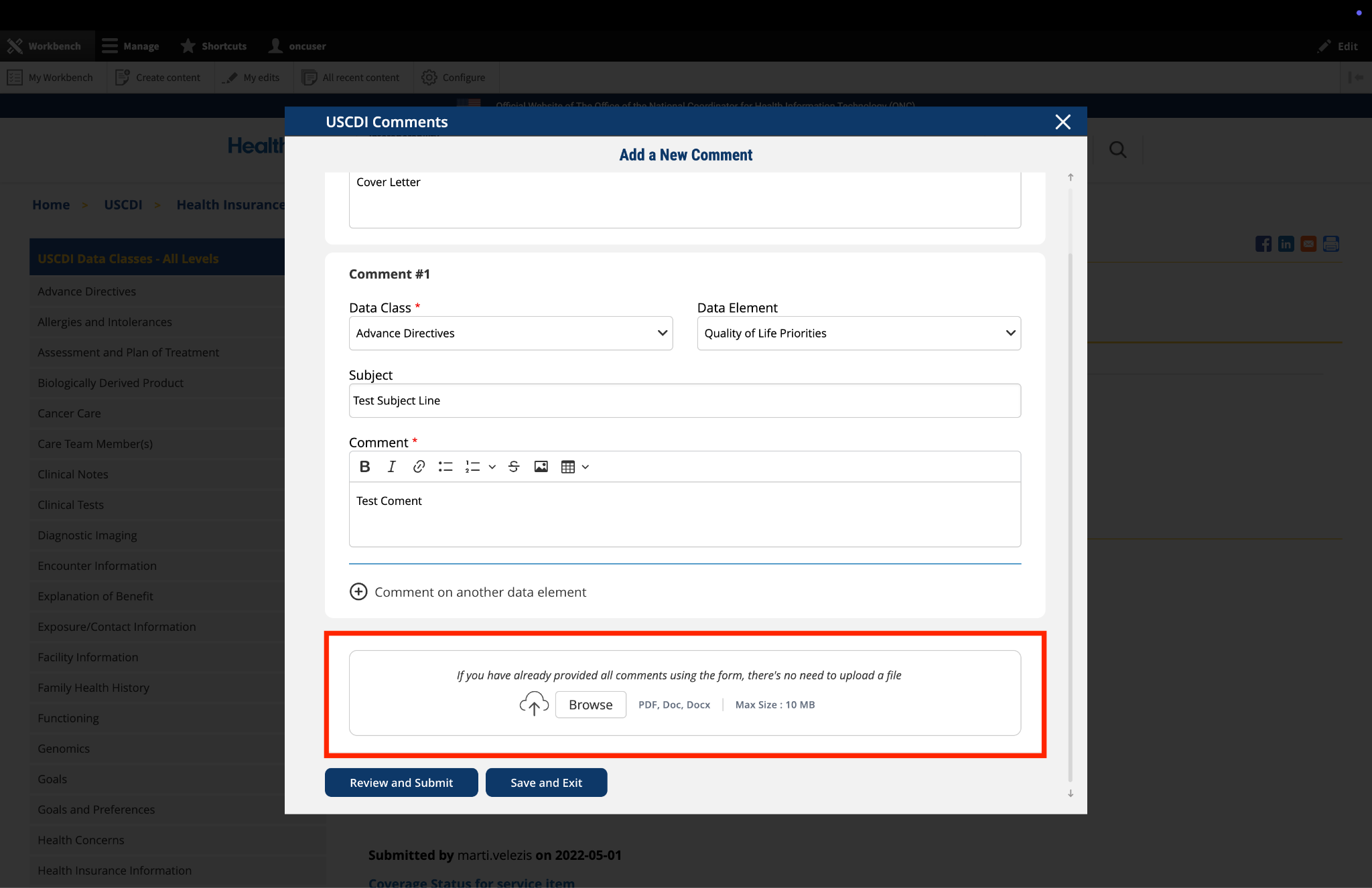
Fig 4 The "File Upload" section permits users to attach supporting documentation that supplements their written comments.
If you need to pause your work and return to complete your comment later:
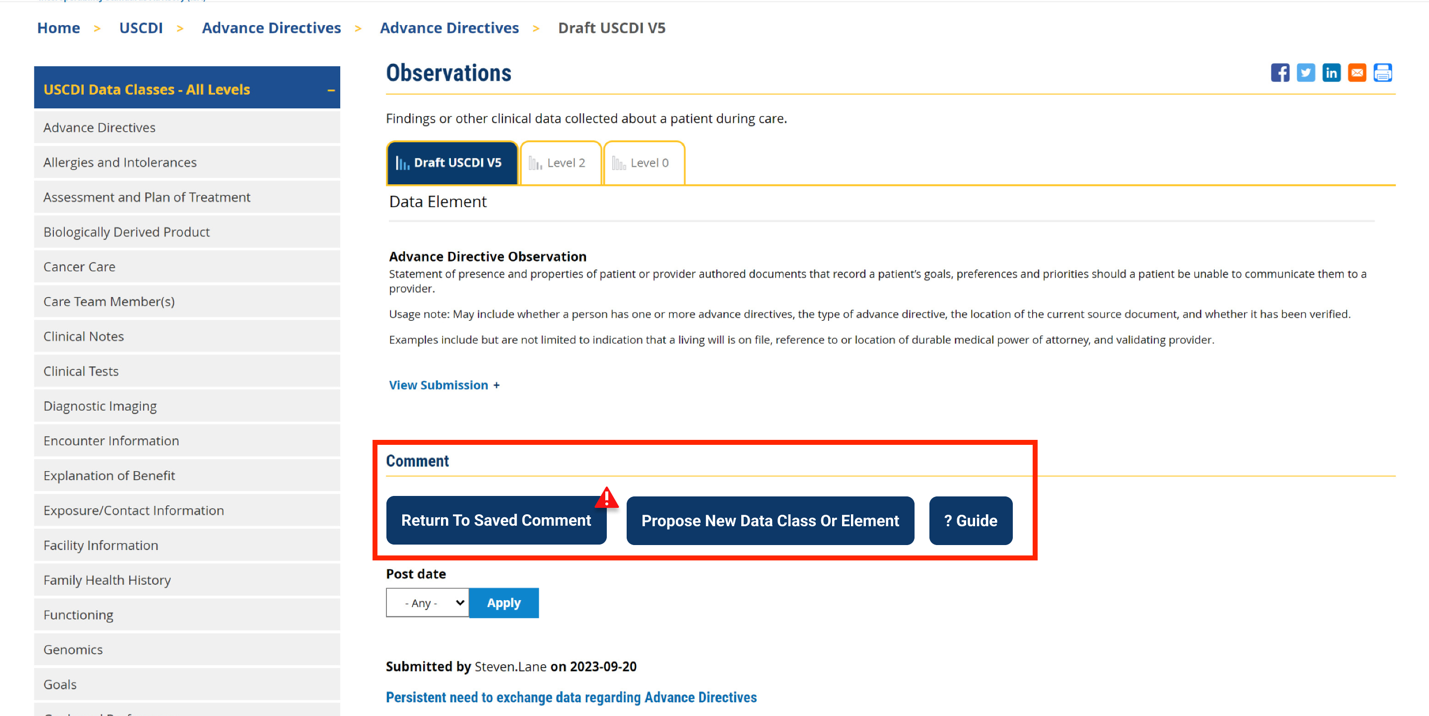
Fig 5 A red triangle with exclamation mark indicator appears next to the “Return to saved Comment” button when draft comments are saved in the system.
Once you have completed your comment:
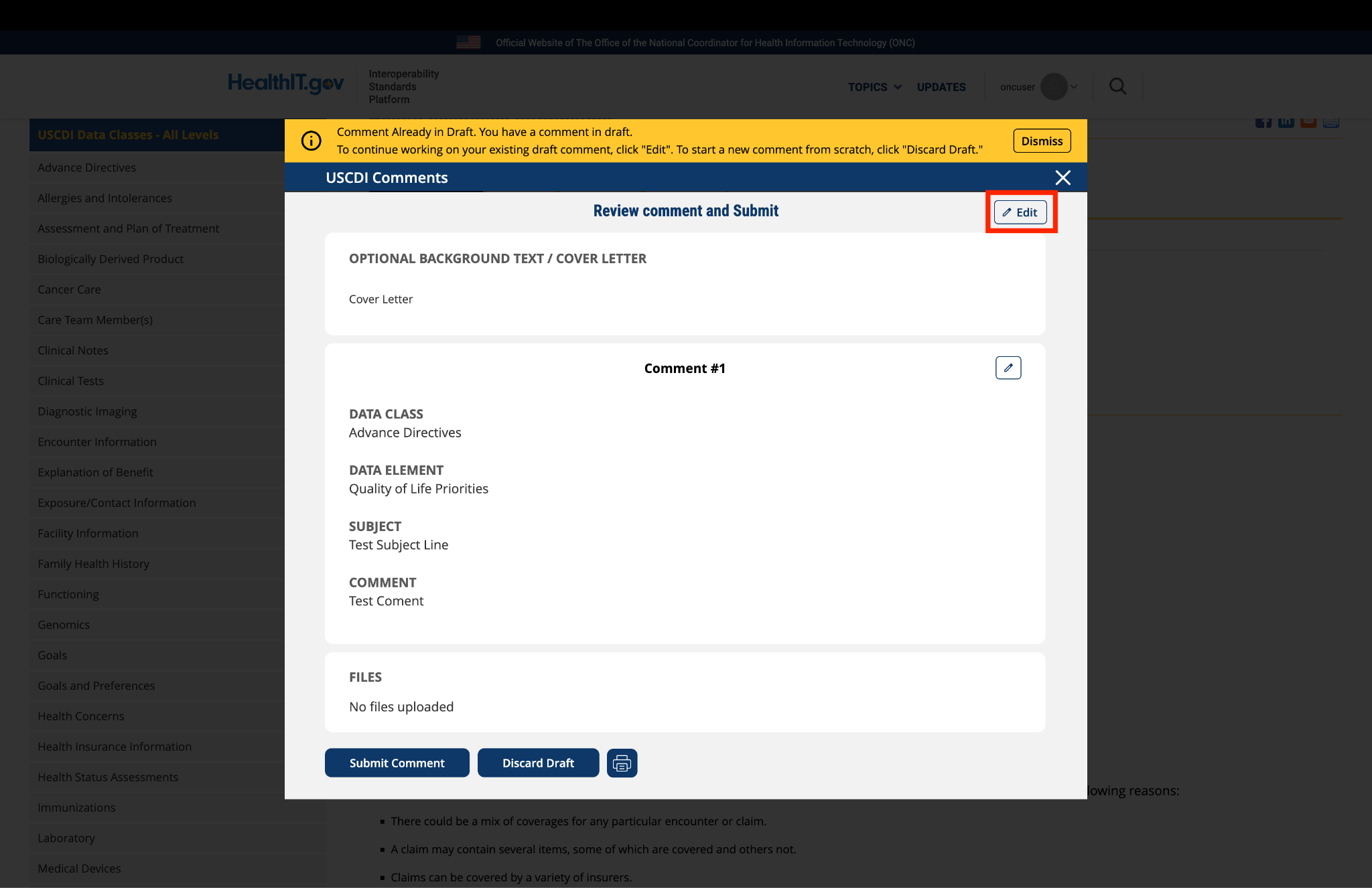
Fig 6 The review screen allows users to verify comment content and make any necessary modifications before final submission.
Submitted by CDC_DSMH_WG on
CDC comment on data element-Medication Instructions
CDC recommends that ONC should expand Medication Instructions to include Medication Request Status Reason, Priority, and Do Not Perform. Status Reason identifies why the request is in its current status, Priority indicates urgency (e.g., routine, urgent, ASAP, stat), and Do Not Perform indicates that the provider is requesting the medication not be administered. Rationale: These elements provide important context for interpreting medication requests, including why a request was changed or suspended, its urgency, and whether the medication should not be given. Including them would improve alignment with FHIR/QI-Core and support clinical care and quality measurement.
FHIR path(s):
MedicationRequest.statusReason
MedicationRequest.priority
MedicationRequest.doNotPerform