Information related to interactions between healthcare providers and patients.

Data Element

Applicable Vocabulary Standard(s)

Encounter Type

Encounter Diagnosis

  • SNOMED International, Systematized Nomenclature of Medicine Clinical Terms (SNOMED CT®) U.S. Edition, March 2021 Release
  • International Classification of Diseases ICD-10-CM 2021
Encounter Time

Represents a date/time related to an encounter (e.g., scheduled appointment time, check in time, start and stop times).

Encounter Location

Location of facility which delivered a person’s health care or related services

Encounter Disposition

Identifies the location or type of facility to where the patient left following a hospital or encounter episode.

Data Element

Applicable Vocabulary Standard(s)

Encounter Type

Category of health care service. (e.g., office visit, telephone assessment, home visit)

Encounter Diagnosis

Coded diagnoses associated with an episode of care.

  • SNOMED International, Systematized Nomenclature of Medicine Clinical Terms (SNOMED CT®) U.S. Edition, March 2022 Release
    • International Classification of Diseases ICD-10-CM 2022
Encounter Time

Date/times related to an encounter. (e.g., scheduled appointment time, check in time, start and stop times)

Encounter Location

Place where a patient’s care is delivered.

Encounter Disposition

Place or setting to which the patient left a hospital or encounter.

Data Element

Applicable Vocabulary Standard(s)

Encounter Type

Category of health care service. (e.g., office visit, telephone assessment, home visit)

Encounter Diagnosis

Coded diagnoses associated with an episode of care. 

  • SNOMED International, Systematized Nomenclature of Medicine Clinical Terms (SNOMED CT®) U.S. Edition, March 2022 Release
  • International Classification of Diseases ICD-10-CM 2022
Encounter Time

Date/times related to an encounter. (e.g., scheduled appointment time, check in time, start and stop times)

Encounter Location

Place where a patient’s care is delivered.

Encounter Disposition

Place or setting to which the patient left a hospital or encounter.

Data Element

Applicable Vocabulary Standard(s)

Encounter Type

Category of health care service.

Examples include but are not limited to office visit, telephone assessment, and home visit.

Encounter Identifier

Sequence of characters by which an encounter is known.

Encounter Diagnosis

Coded diagnoses associated with an episode of care.

  • Systematized Nomenclature of Medicine Clinical Terms (SNOMED CT®) U.S. Edition, March 2023 Release
  • International Classification of Diseases Clinical Modification (ICD-10-CM) 2023
Encounter Time

Date/times related to an encounter.

Examples include but are not limited to scheduled appointment time, check in time, start and stop times.

Encounter Location

Place where a patient’s care is delivered.

Encounter Disposition

Place or setting to which the patient left a hospital or encounter.

Data Element

Applicable Vocabulary Standard(s)

Encounter Type

Category of healthcare service.

Examples include but are not limited to office visit, telephone assessment, and home visit.

Encounter Identifier

Sequence of characters by which an encounter is known.

Encounter Diagnosis

Coded diagnoses associated with an episode of care.

  • SNOMED Clinical Terms® (SNOMED CT®) U.S. Edition, March 2024 Release
  • International Classification of Diseases Clinical Modification (ICD-10-CM) 2024
Encounter Time

Date/times related to an encounter.

Examples include but are not limited to scheduled appointment time, check in time, start and stop times.

Encounter Location

Place where a patient’s care is delivered.

  • National Healthcare Safety Network (NHSN) Healthcare Facility Patient Care Location (HSLOC) Version 2022
  • SNOMED Clinical Terms® (SNOMED CT®) U.S. Edition, March 2024 Release


Encounter Disposition

Place or setting where the patient went after a hospital stay or encounter.

Data Element

Applicable Vocabulary Standard(s)

Encounter Type

Category of healthcare service.

Examples include but are not limited to office visit, telephone assessment, and home visit.

Encounter Identifier

Sequence of characters by which an encounter is known.

Encounter Diagnosis

Coded diagnoses associated with an episode of care.

  • SNOMED Clinical Terms® (SNOMED CT®) U.S. Edition, March 2025 Release
  • International Classification of Diseases, Tenth Revision, Clinical Modification (ICD-10-CM) 2025
Encounter Time

Date/times related to an encounter.

Examples include but are not limited to scheduled appointment time, check in time, start and stop times.

Encounter Location

Place where a patient’s care is delivered.

  • National Healthcare Safety Network (NHSN) Healthcare Facility Patient Care Location (HSLOC) Version 2022
  • SNOMED Clinical Terms® (SNOMED CT®) U.S. Edition, March 2025 Release
Encounter Disposition

Place or setting where the patient went after a hospital stay or encounter.

Data Element

Applicable Vocabulary Standard(s)

Encounter Type

Category of healthcare service. 

Examples include but are not limited to office visit, telephone assessment, and home visit.

Encounter Identifier

Sequence of characters by which an encounter is known. 

Encounter Diagnosis

Coded diagnoses associated with an episode of care.

  • SNOMED Clinical Terms® (SNOMED CT®) U.S. Edition
  • International Classification of Diseases, Tenth Revision, Clinical Modification (ICD-10-CM)
Encounter Date and Time

Dates and times related to an encounter. 

Examples include but are not limited to scheduled appointment time, check in time, and start and stop times.

Encounter Location

Place where a patient’s care is delivered.

  • National Healthcare Safety Network (NHSN) Healthcare Facility Patient Care Location (HSLOC)
  • SNOMED Clinical Terms® (SNOMED CT®) U.S. Edition
Encounter Disposition

Place or setting where the patient went after a hospital stay or encounter.

Appointment

Scheduled healthcare event for a specific date/time.

Usage note: Appointment is used to schedule and coordinate healthcare services and participation and is distinct from an Encounter.

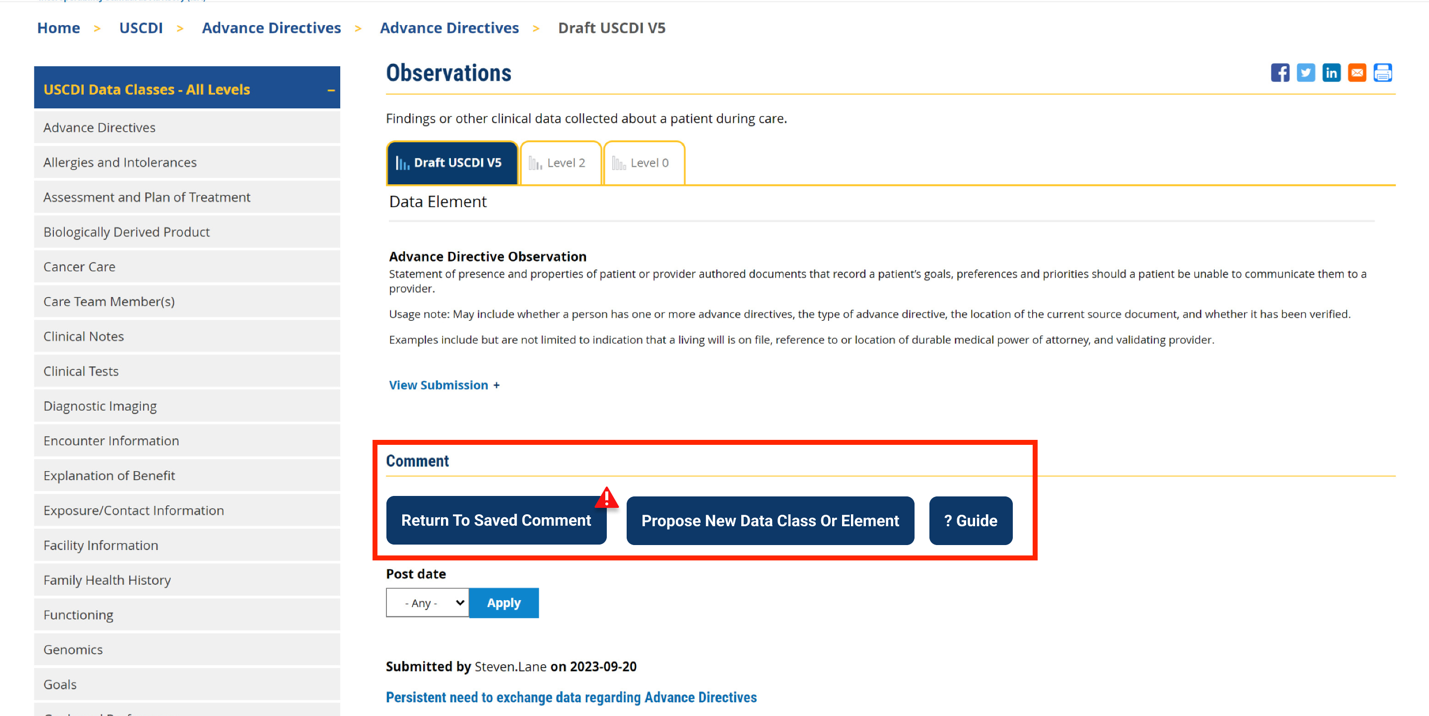
Comment

CDC Comment -Encounter.hospitalization.admitSource

During the next USCDI Comment cycle, CDC is planning to request a new data element - Encounter Admit Source – using the ONDEC system. This new data element is intended to capture where or how the patient was admitted where or how the patient was admitted, such as physician referral or transfer from another facility in a future USCDI submission. Rationale: Admit Source provides important context about the origin of an encounter and is needed for accurate quality measurement. It is particularly important for the Sepsis digital quality measure (dQM), where the source of admission can affect measure logic and interpretation.

FHIR path(s): Encounter.hospitalization.admitSource

NCPDP Comments on USCDI draft v5

  • NCPDP recommends adding a new data element “Encounter Reason” under the data class “Encounter Information”. Pharmacists document "encounter reasons" in the NCPDP/HL7® Pharmacist eCare Plan using SNOMED CT codes. These SNOMED CT codes are in the NLM VSAC OID 2.16.840.1.113762.1.4.1096.182.
  • NCPDP recommends adding a new data element “Encounter Class” under the data class “Encounter Information”. Pharmacists document "encounter class" in the NCPDP/HL7® Pharmacist eCare Plan using SNOMED CT codes. These SNOMED CT codes are in the NLM VSAC OID 2.16.840.1.113762.1.4.1096.152. 
Comment

Recommend adding Encounter Note as a data element. Frontline clinicians report needing the Progress/Encounter Notes  in order to ensure best patient care outcomes.

Recommend adding Plan of Care as a data element. Frontline clinicians report needing the plan of care in order to ensure best patient care outcomes and align treatment plans with outside facilities.

Recommend adding Assessment and Plan of Treatment to Encounter Information data class.

NCPDP Comment

NCPDP recommends adding a new data element “Encounter Reason” under the data class “Encounter Information”. Pharmacists document "encounter reasons" in the NCPDP/HL7 Pharmacist eCare Plan using SNOMED CT codes. These SNOMED CT codes are in the NLM VSAC OID 2.16.840.1.113762.1.4.1096.182.

NCPDP recommends adding a new data element “Encounter Class” under the data class “Encounter Information”. Pharmacists document "encounter class" in the NCPDP/HL7 Pharmacist eCare Plan using SNOMED CT codes. These SNOMED CT codes are in the NLM VSAC OID 2.16.840.1.113762.1.4.1096.152. 
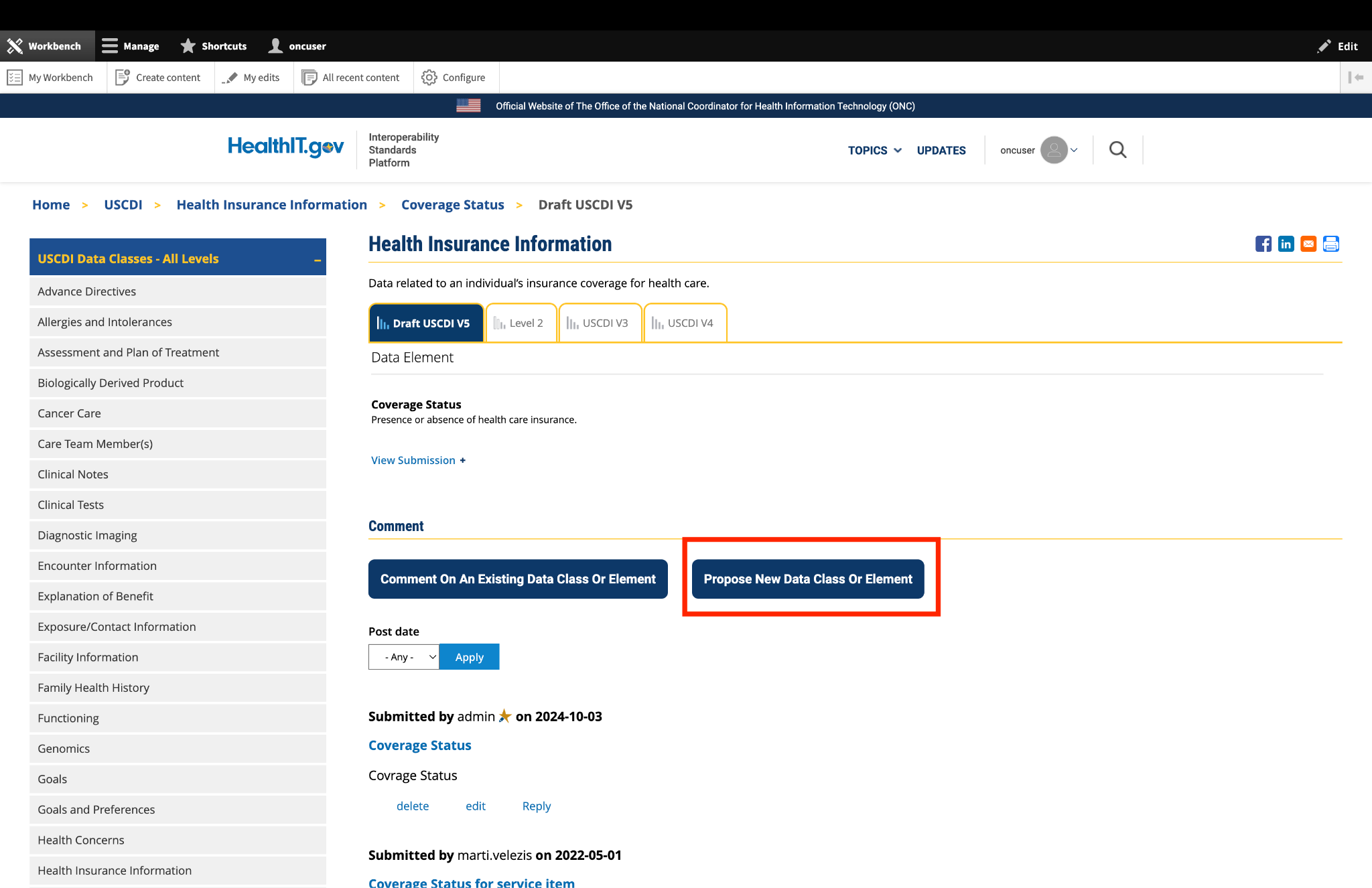
NCPDP Comments

  • NCPDP recommends adding a data element “Encounter Reason” under the data class “Encounter Information”. Pharmacists document "encounter reasons" in the NCPDP/HL7 Pharmacist eCare Plan using SNOMED CT.  These SNOMED CT codes are in the NLM VSAC OID 2.16.840.1.113762.1.4.1096.182.  
  • NCPDP recommends adding a data element “Encounter Type” under the data class “Encounter Information”. Pharmacists document "encounter type" in the NCPDP/HL7 Pharmacist eCare Plan using SNOMED CT.  These SNOMED CT codes are in the NLM VSAC OID 2.16.840.1.113762.1.4.1096.151. 
  • NCPDP recommends adding a data element “Encounter Class” under the data class “Encounter Information”. Pharmacists document "encounter class" in the NCPDP/HL7 Pharmacist eCare Plan using SNOMED CT.  These SNOMED CT codes are in the NLM VSAC OID 2.16.840.1.113762.1.4.1096.152. 
Lantana Consulting Group Comment

Lantana recommends adding the Encounter Identifier data element to USCDI version 3. An Encounter Identifier is critically important to linking and tracking data, distinguishing between encounters that represent multiple episodes of care and evaluating care that takes place either short or long-term. This information is important for quality measurement and public health reporting. It is widely implemented by the industry because of its value and is categorized as “must support” in the FHIR R4 US Core Implementation Guide STU4 (https://www.hl7.org/fhir/us/core/StructureDefinition-us-core-encounter-definitions.html#Encounter.identifier).

NCPDP Comments on USCDI draft V3

NCPDP requests Encounter Class and Encounter Reason also be added to Draft Version 3.

This field is for general…

This field is for general comments on this specific data class. To submit new USCDI data classes and/or data elements, please use the USCDI ONDEC system: https://healthit.gov/ONDEC

NCPDP Comment

NCPDP requests Encounter Class and Encounter Reason also be added to Draft Version 2.

time, type, and diagnosis

The CDC Division for Heart Disease and Stroke Prevention and the Million Hearts® 2022 Hearts national initiative (co-led by and the Centers for Medicare & Medicaid Services) uses this data as it is available for monitoring and evaluation to prevent 1 million heart attacks and strokes in 5 years. Furthermore, the CDC plans to leverage this data further in the future for surveillance and epidemiology studies if advanced through policy and available from EHRs. The Multi-state EHR-based Network for Disease Surveillance (MENDS) pilot will use electronic health record (EHR) data collected in clinical settings leading to a real-time, chronic disease surveillance model to plan and evaluate short-term outcomes of policies and program interventions. Initial diagnosis date and place will be very useful for chronic conditions, as it will shed light on disease progression, quality of life, treatment effectiveness etc.This field is for general comments on this specific data class. To submit new USCDI data classes and/or data elements, please use the USCDI ONDEC system: https://healthit.gov/ONDEC

USCDI_Version_2_Draft_Template for Comments_DHDSP_MENDS_04.15.2021.docx

Log in or register to post comments

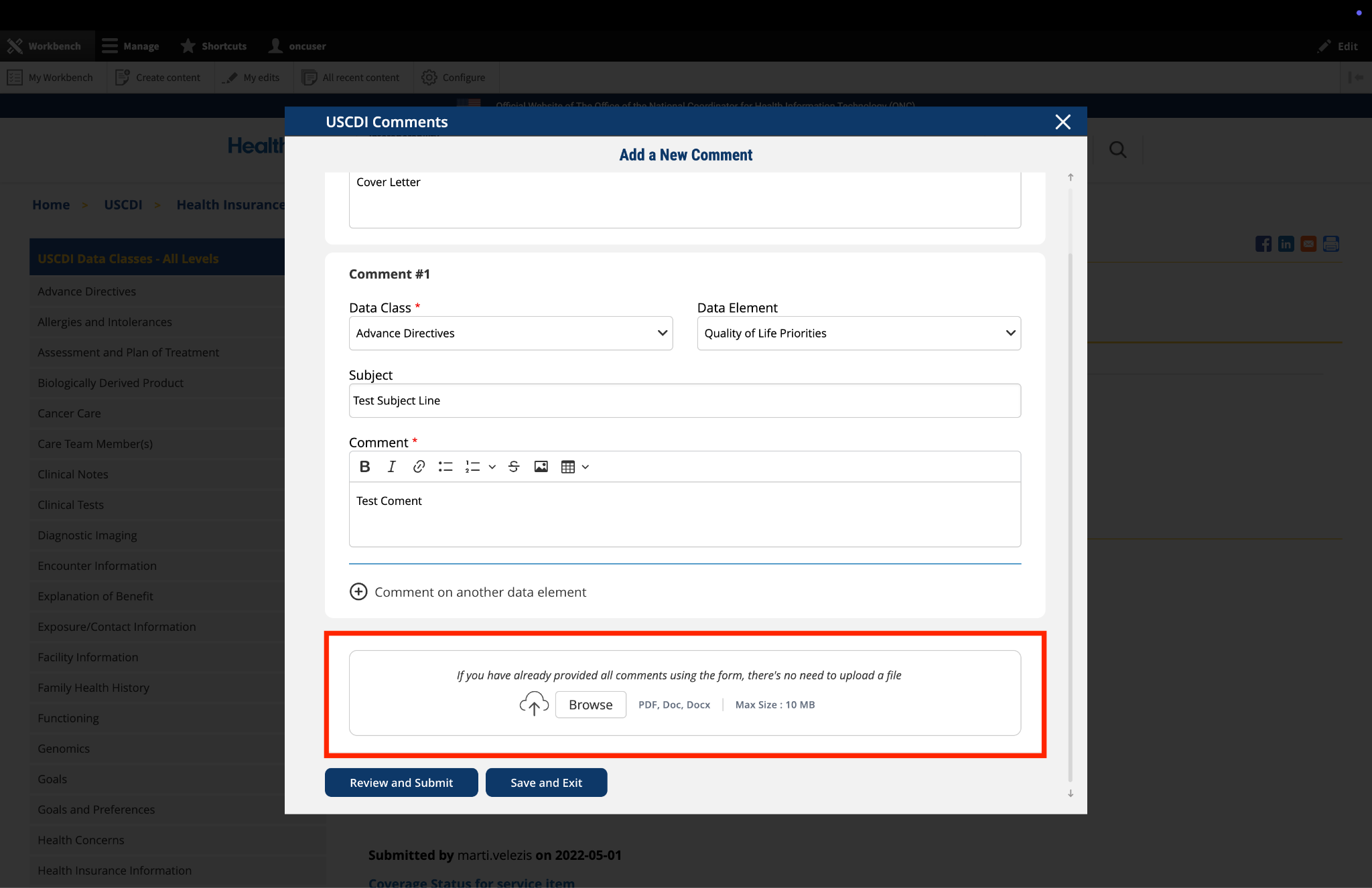
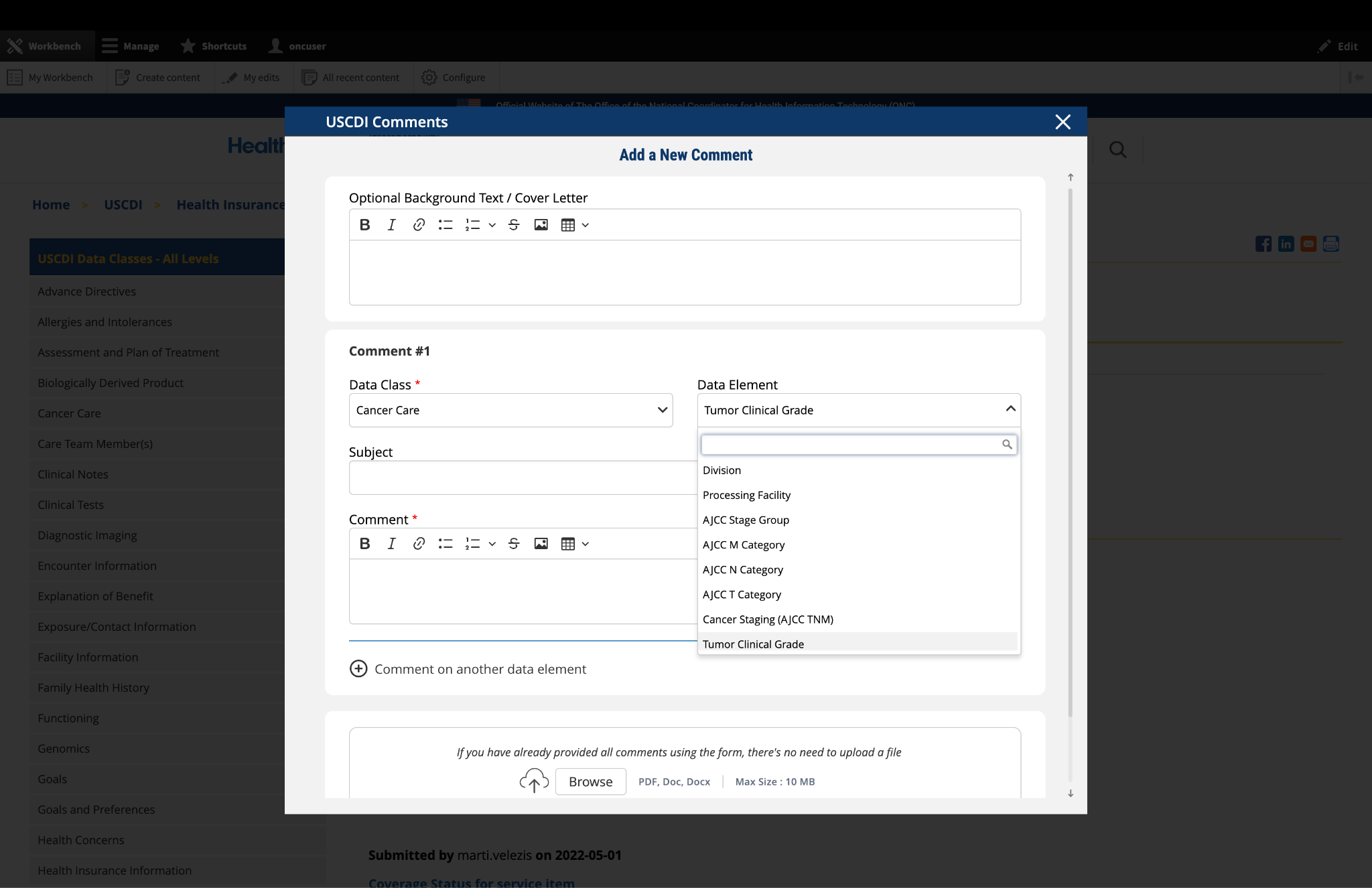
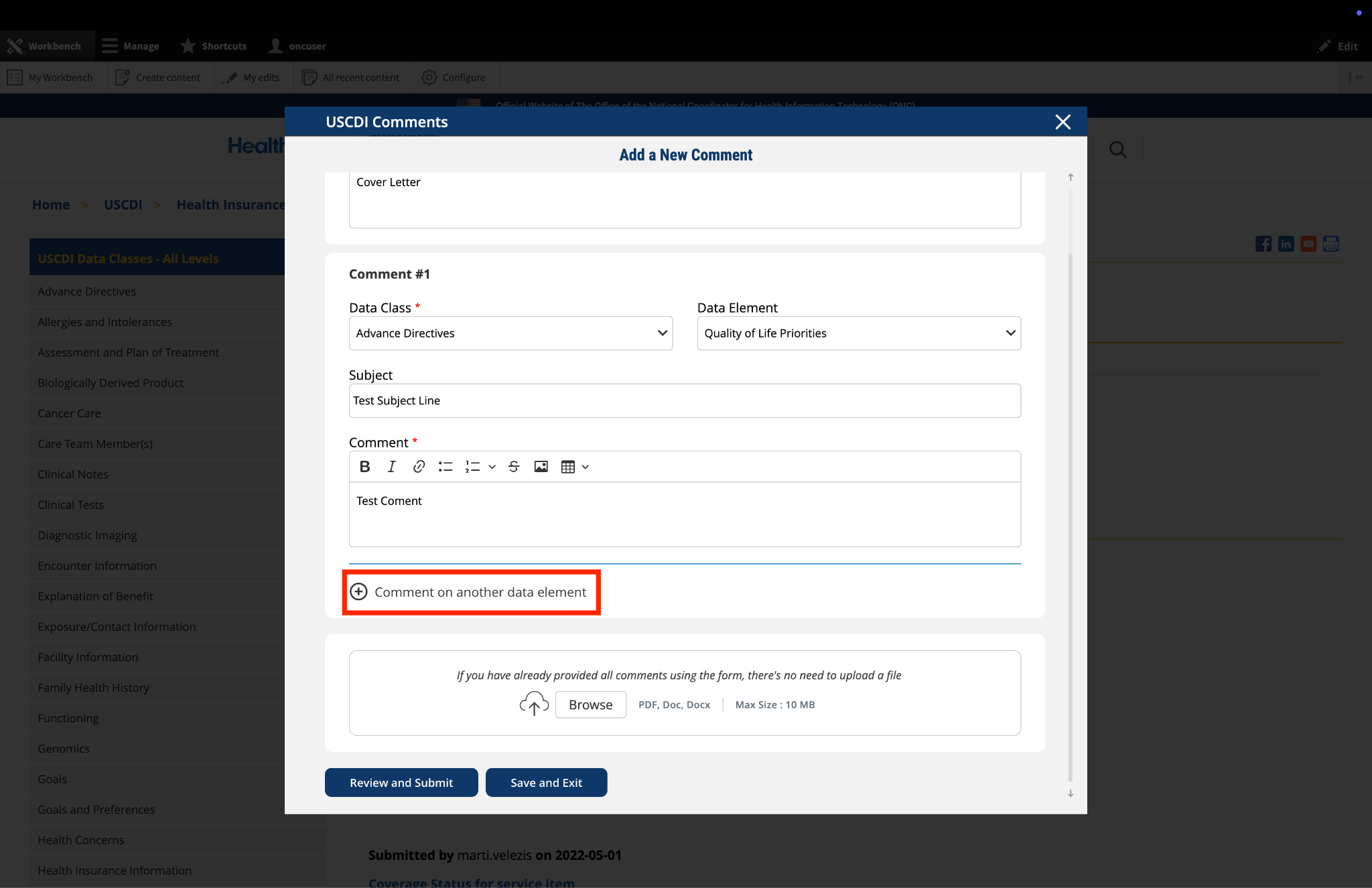
Add a New Comment

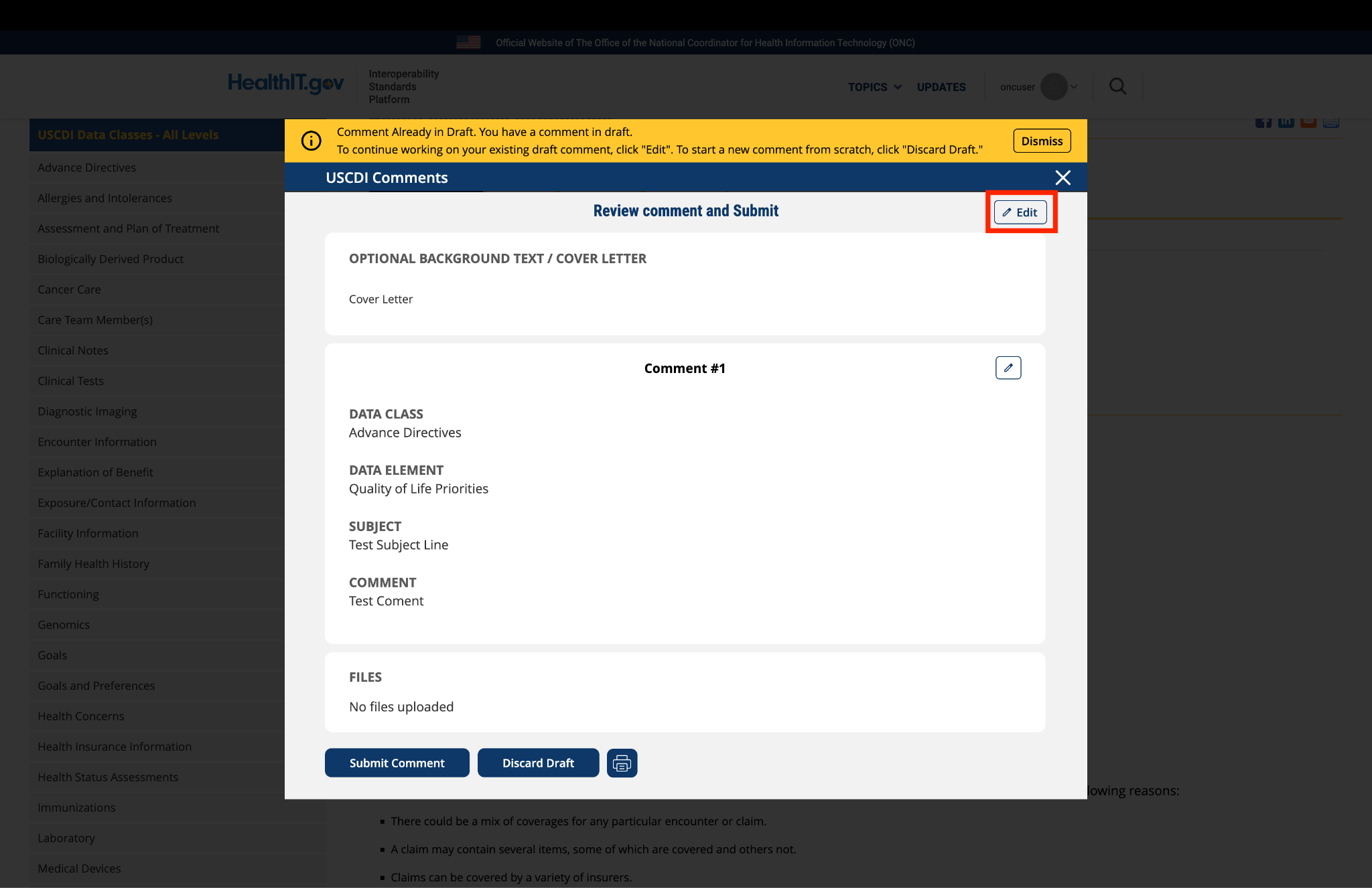
Review comment and Submit

Edit
Comment #1
PDF, Doc, Docx
Max Size : 10 MB