
Submitted by LisaRNelson on
A Data Element type should be named in the singular
To avoid confusion Data Classes can be named in the plural form, but Data Element types should be named in the singular form.
 Official Website of the Office of the National Coordinator for Health Information Technology
Pharmacologic agents used in the diagnosis, cure, mitigation, treatment, or prevention of disease.
Data Element |
Applicable Vocabulary Standard(s) |
|---|---|
|
Medications
|
|
Data Element |
Applicable Vocabulary Standard(s) |
|---|---|
|
Medications
|
|
Data Element |
Applicable Vocabulary Standard(s) |
|---|---|
|
Medications
Pharmacologic agent used in the diagnosis, cure, mitigation, treatment, or prevention of disease. |
Optional:
|
|
Dose
Amount of a medication for each administration. |
|
|
Dose Units of Measure
Units of measure of a medication. (e.g., milligrams, milliliters) |
|
|
Indication
Sign, symptom, or medical condition that leads to the recommendation of a treatment, test, or procedure. |
|
|
Fill Status
State of a medication with regards to dispensing or other activity. (e.g., dispensed, partially dispensed, not dispensed) |
Data Element |
Applicable Vocabulary Standard(s) |
|---|---|
|
Medications
Pharmacologic agent used in the diagnosis, cure, mitigation, treatment, or prevention of disease. |
Optional:
|
|
Dose
Amount of a medication for each administration. |
|
|
Dose Units of Measure
Units of measure of a medication. (e.g., milligrams, milliliters) |
|
|
Indication
Sign, symptom, or medical condition that leads to the recommendation of a treatment, test, or procedure. |
|
|
Fill Status
State of a medication with regards to dispensing or other activity. (e.g., dispensed, partially dispensed, not dispensed) |
Data Element |
Applicable Vocabulary Standard(s) |
|---|---|
|
Medications
Pharmacologic agent used in the diagnosis, cure, mitigation, treatment, or prevention of disease. |
Optional:
|
|
Dose
Amount of a medication for each administration. |
|
|
Dose Unit of Measure
Unit of measure of a medication. Examples include but are not limited to milligram (mg) and milliliter (mL). |
|
|
Indication
Sign, symptom, or medical condition that is the reason for giving or taking a medication. |
|
|
Fill Status
State of a medication with regards to dispensing or other activity. Examples include but are not limited to dispensed, partially dispensed, and not dispensed. |
|
|
Medication Instructions
Directions for administering or taking a medication. Examples include but are not limited to prescription directions for taking a medication, and package instructions for over-the-counter medications. Usage notes: May include route, quantity, timing/frequency, and special instructions (PRN, sliding scale, taper). |
|
|
Medication Adherence
Statement of whether a medication has been consumed according to instructions. Examples include but are not limited to taking as directed, taking less than directed, and not taking. |
|
Data Element |
Applicable Vocabulary Standard(s) |
|---|---|
|
Medications
Pharmacologic agent used in the diagnosis, cure, mitigation, treatment, or prevention of disease. |
Optional:
|
|
Dose
Amount of a medication for each administration. |
|
|
Dose Unit of Measure
Unit of measure of a medication. Examples include but are not limited to milligram (mg) and milliliter (mL). |
|
|
Route of Administration
Physiological administration path of a therapeutic agent into or onto a patient. Examples include but are not limited to oral, topical, and intravenous. |
|
|
Indication
Sign, symptom, or medical condition that is the reason for giving or taking a medication. |
|
|
Fill Status
State of a medication with regards to dispensing or other activity. Examples include but are not limited to dispensed, partially dispensed, and not dispensed. |
|
|
Medication Instructions
Directions for administering or taking a medication. Usage note: May include route, quantity, timing/frequency, and special instructions (PRN, sliding scale, taper). Examples include but are not limited to prescription directions for taking a medication, and package instructions for over-the-counter medications. |
|
|
Medication Adherence
Statement of whether a medication has been consumed according to instructions. Examples include but are not limited to taking as directed, taking less than directed, and not taking. |
|
Data Element |
Applicable Vocabulary Standard(s) |
|---|---|
|
Medications
Pharmacologic agent used in the diagnosis, cure, mitigation, treatment, or prevention of disease. |
Optional:
|
|
Dose
Amount of a medication for each administration. |
|
|
Dose Unit of Measure
Unit of measure of a medication. Examples include but are not limited to milligram (mg) and milliliter (mL). |
|
|
Route of Administration
Physiological administration path of a therapeutic agent into or onto a patient. Examples include but are not limited to oral, topical, and intravenous. |
|
|
Indication
Sign, symptom, or medical condition that is the reason for giving or taking a medication. |
|
|
Dispense Status
State of a medication with regards to dispensing or other activity. Examples include but are not limited to dispensed, partially dispensed, and not dispensed. |
|
|
Medication Instructions
Directions for administering or taking a medication. Usage note: May include route, quantity, timing/frequency, and special instructions (PRN, sliding scale, taper). Examples include but are not limited to prescription directions for taking a medication, and package instructions for over-the-counter medications. |
|
|
Medication Adherence
Statement of whether a medication has been consumed according to instructions. Examples include but are not limited to taking as directed, taking less than directed, and not taking. |
|
Data Element |
Applicable Vocabulary Standard(s) |
|---|---|
|
Medication
Pharmacologic agent used in the diagnosis, cure, mitigation, treatment, or prevention of disease. |
Optional:
|
|
Dose
Amount of a medication for each administration. |
|
|
Dose Unit of Measure
Units of measure of a medication. Examples include but are not limited to milligram (mg) and milliliter (mL). |
|
|
Route of Administration
Physiological administration path of a therapeutic agent into or onto a patient. Examples include but are not limited to oral, topical, and intravenous. |
|
|
Medication Dispense Status
State of a medication with regards to dispensing or other activity. Examples include but are not limited to dispensed, partially dispensed, and not dispensed. |
|
|
Medication Instructions
Directions for administering or taking a medication. Usage note: May include route, quantity, timing/frequency, and special instructions (PRN, sliding scale, taper). Examples include but are not limited to prescription directions for taking a medication, and package instructions for over-the-counter medications. |
|
|
Medication Adherence
Statement of whether a medication has been consumed according to instructions. Examples include but are not limited to taking as directed, taking less than directed, and not taking. |
|
|
Medication Administration
Information about the event of a patient consuming or otherwise being given a Examples include but are not limited to swallowing a tablet, administering an injection, and a long running infusion. |
|
|
Medication Dispense Quantity
The amount of medication dispensed or to be dispensed. |
Data Element |
|---|
Submitted by LisaRNelson on
To avoid confusion Data Classes can be named in the plural form, but Data Element types should be named in the singular form.
The "Optional Background Text / Cover Letter" field provides space for additional context or introductory information related to your comment.
If you wish to provide context, explanation, or an introduction to your comment, enter this information in the field labeled "Optional Background Text / Cover Letter." This is entirely optional and is most useful when submitting multiple related comments or when additional background would help reviewers understand your feedback.
If you are only commenting on a single data class or element, you may leave this field blank.
To specify which data class your comment addresses:
To specify which data element your comment addresses:
Note: Comments on a specific data element will appear on the respective data element page, while comments on a data class (without a specific element selected) will appear on the landing page for that data class.
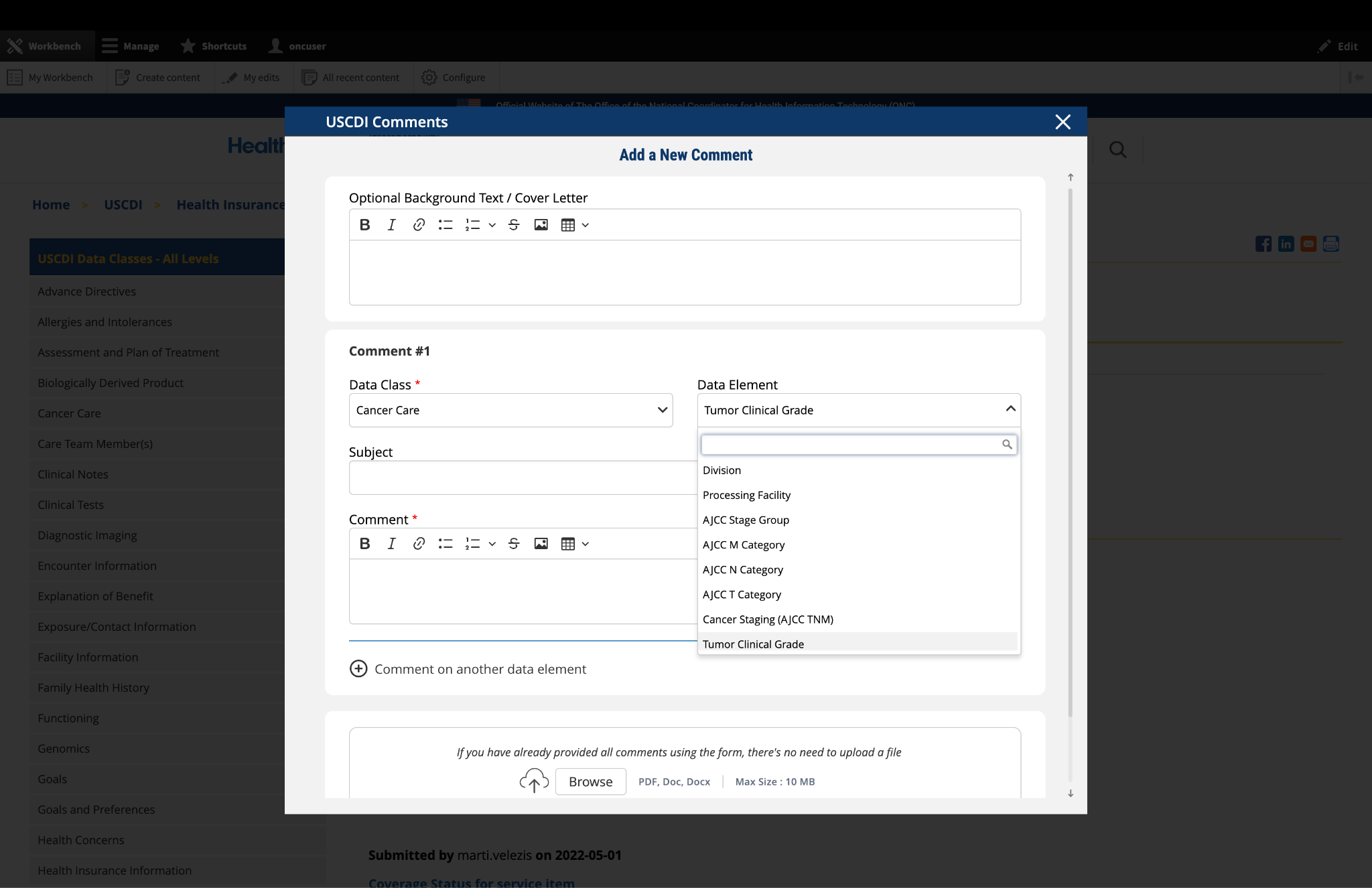
Fig 1 The "Data Class" and "Data Element" dropdown menus allow users to specify the exact content they wish to comment on.
If you cannot find the appropriate data class or element for your comment:
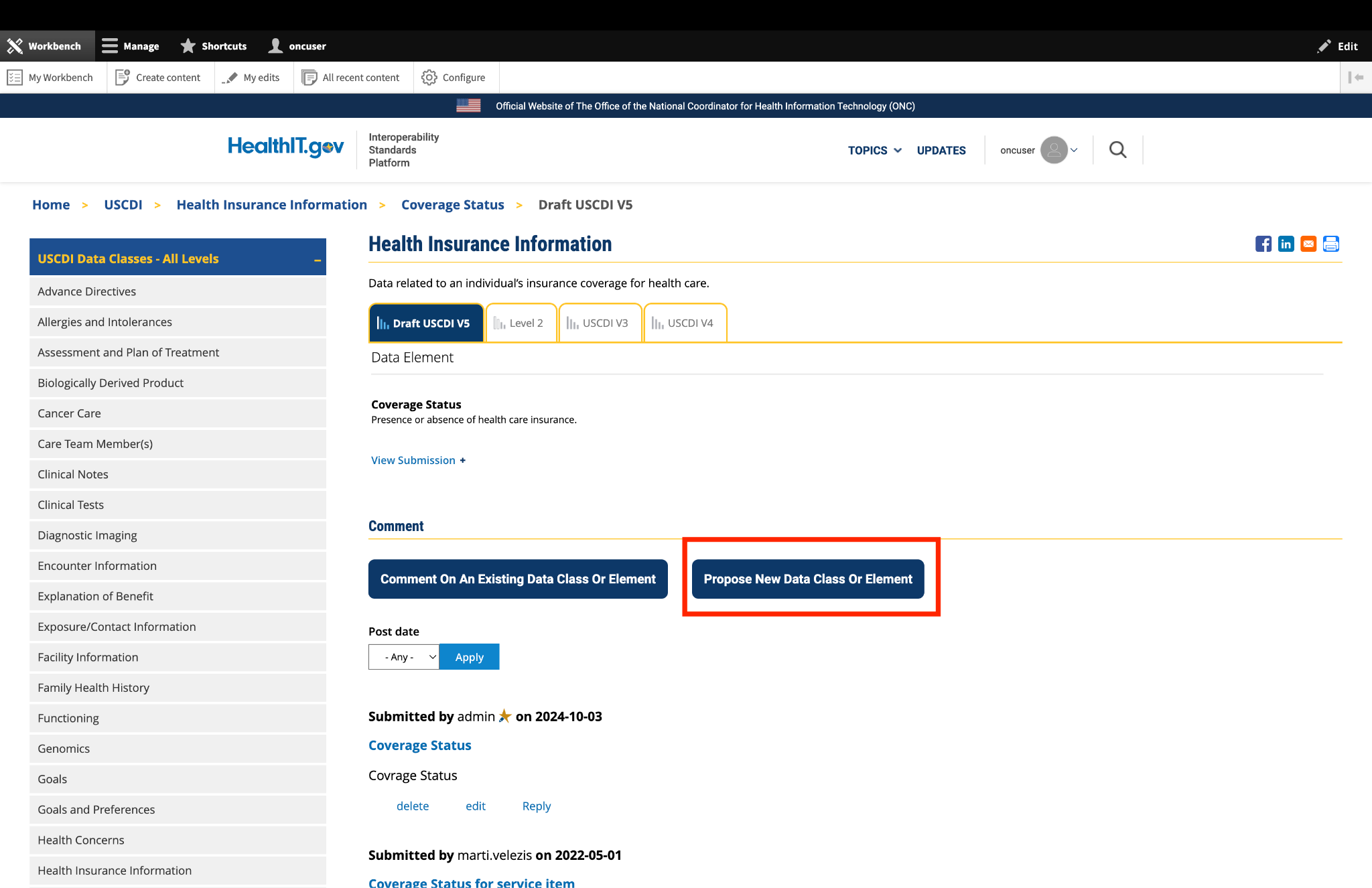
Fig 2 The "Propose a New Data Class or Data Element" button redirects users to the ONDEC Submission System for proposing new data elements not currently available in the system.
Fill out the required fields in the comment form:
Subject: Enter a brief, descriptive title that summarizes your comment. This helps reviewers quickly understand the nature of your feedback.
Comment: In this field, provide the full details of your comment or feedback. Be as clear and specific as possible about your suggestions, concerns, or observations. Include any relevant details that support your position.
If you need to comment on multiple data classes or elements:
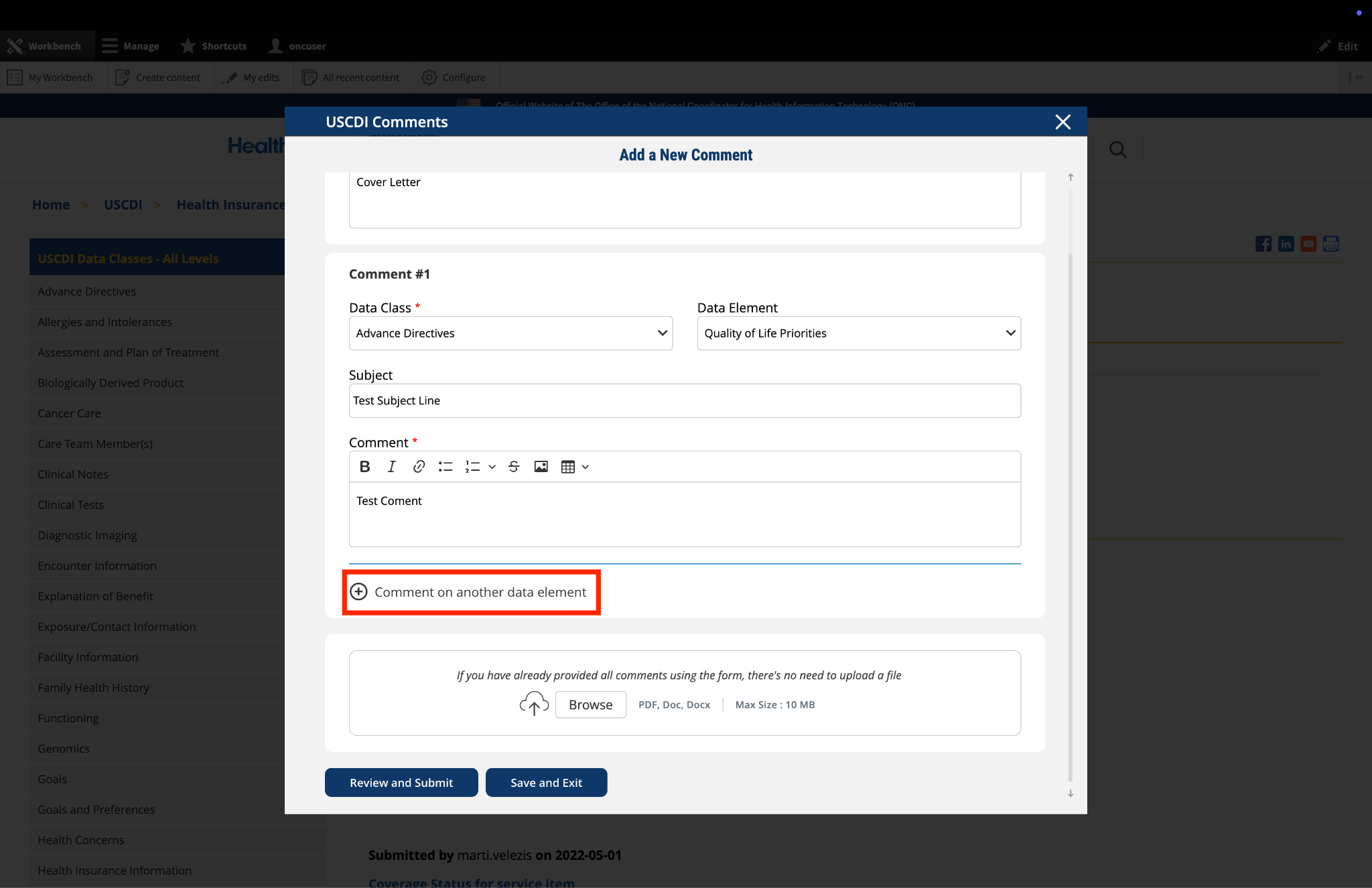
Fig 3 The "Comment on another data element" link enables users to create multiple comments addressing different elements within a single submission.
The platform allows you to upload supporting documentation to enhance your comment:
Important: If you have already entered your comments using the form fields, there is no need to upload duplicate content in PDF format. The file upload feature is intended for supplementary materials only. Please avoid uploading files that contain the same information already provided in your comment text.
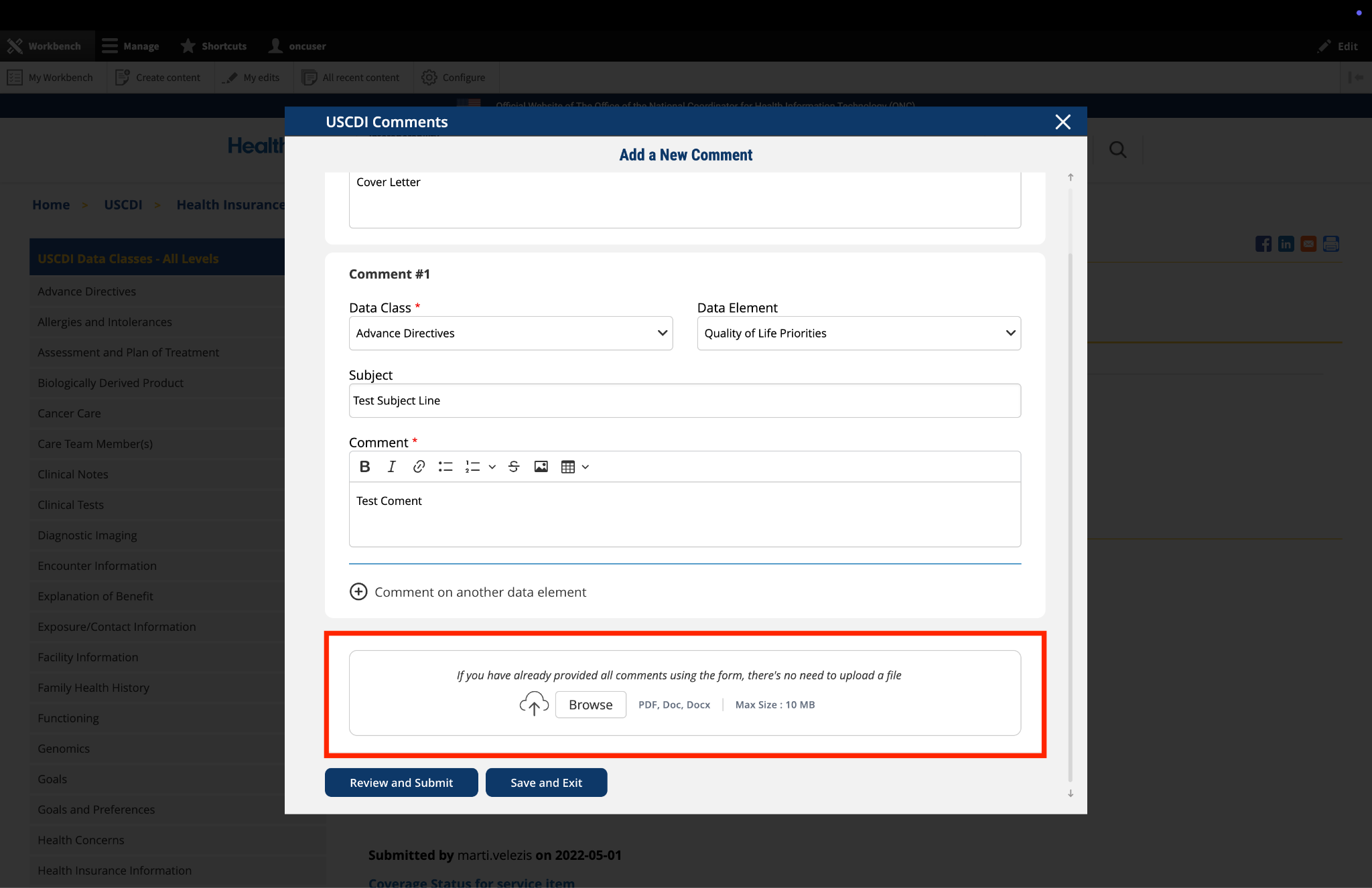
Fig 4 The "File Upload" section permits users to attach supporting documentation that supplements their written comments.
If you need to pause your work and return to complete your comment later:
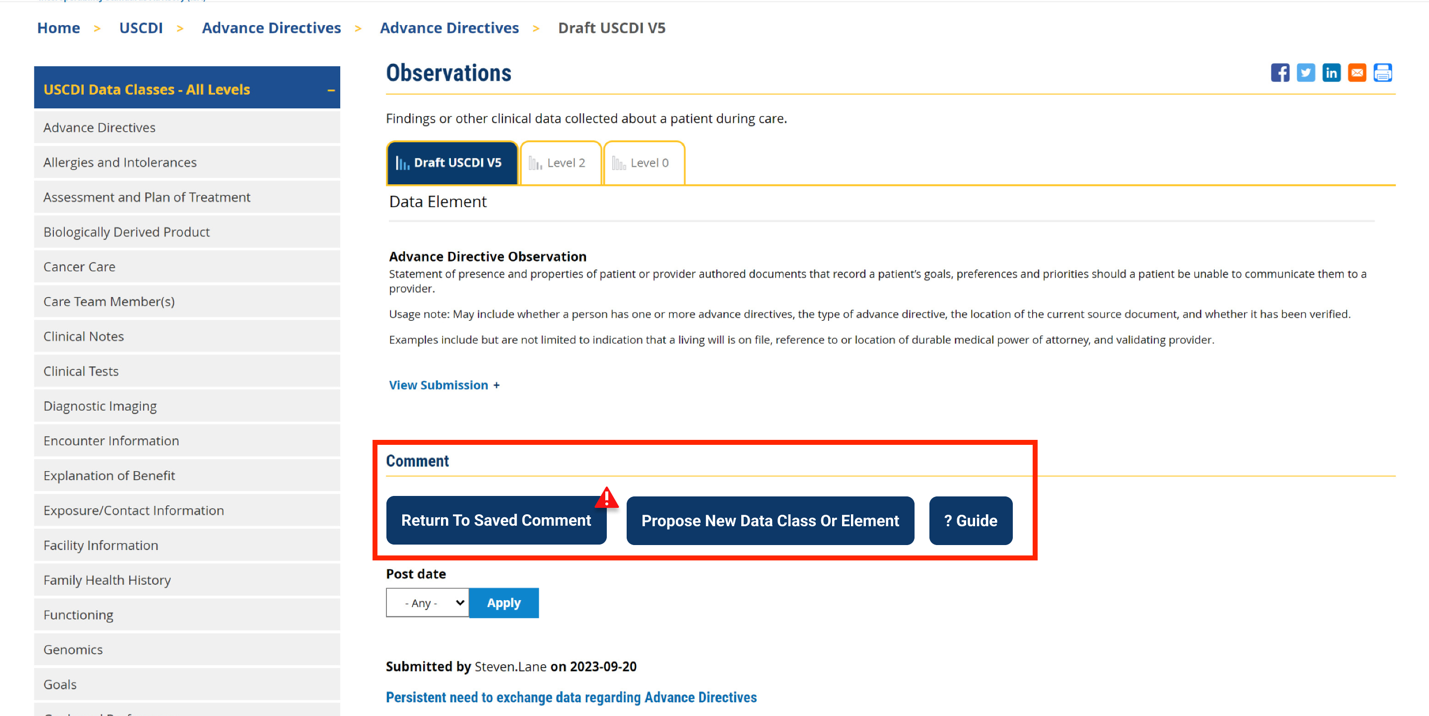
Fig 5 A red triangle with exclamation mark indicator appears next to the “Return to saved Comment” button when draft comments are saved in the system.
Once you have completed your comment:
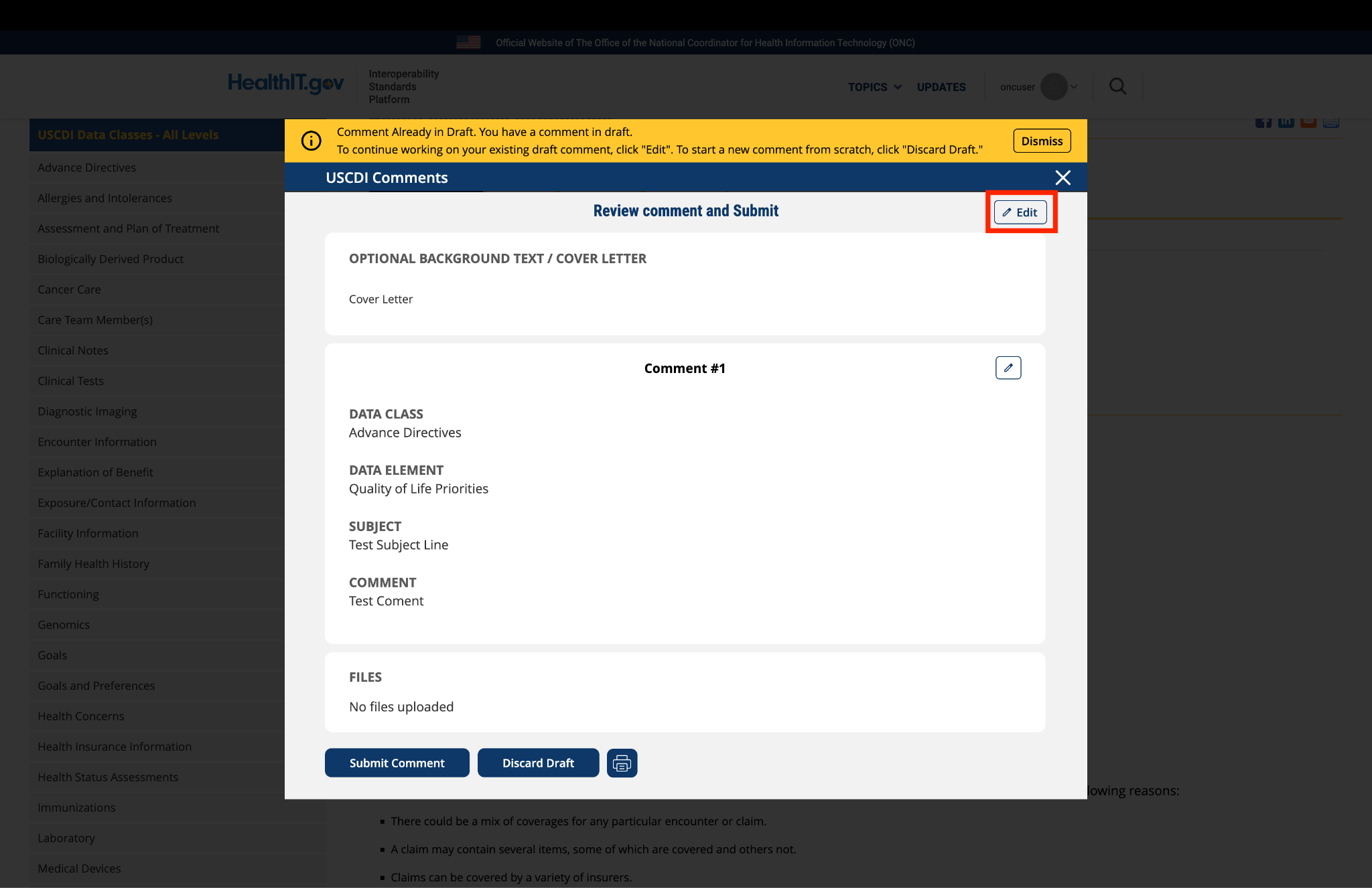
Fig 6 The review screen allows users to verify comment content and make any necessary modifications before final submission.
Submitted by ishcahealth on
Medication Data Class
Please consider adding ContraIndications which automatically calculates the patients current medication to see if there is a health safety issues with their combined medications. I expect this functionaliy to be in all ehrs but needs to be pulled in and with an alert or notifications. This would expedite decision making and ultimately save lives